Every time we return to Salerno we realise how convenient it is as a base: in no time you can reach the Amalfi Coast, the temples of Paestum, the Picentini mountains and, further south, the Cilento. In this guide we line up everything we have written about the city and its province, to help you build the trip that suits you best.
Salerno: where to start
If it is your first time, start with what to see in Salerno, covering the city's landmarks, and 5 must-see places in Salerno, our selection for those short on time. If you prefer a walking route through the old town and along the seafront, you will find a complete itinerary in what to visit in Salerno, while things to do in Salerno gathers the experiences not to miss, from strolls along the Lungomare Trieste to climbs up into the hills.
Already decided how many days to stay? We have prepared two plans: Salerno in 2 days and Salerno in 3 days. For those travelling mainly for art there is an art weekend in Salerno, and for those setting off with children we have gathered suitable parks, museums and walks in having fun with kids in Salerno.
The old town: churches, museums and the Medical School
The heart of Salerno is medieval, as you realise walking through its lanes, arches and courtyards. The essential starting point is Salerno Cathedral, commissioned by Robert Guiscard and consecrated in 1084 by Pope Gregory VII, which keeps the relics of San Matteo (Saint Matthew) in its crypt. Around the cathedral lies a world of Lombard, medieval and Baroque churches that we describe in the churches and cathedral of Salerno; one of them, the palatine chapel of Prince Arechi II, has its own in-depth article in San Pietro a Corte.
Salerno is also the city of the Scuola Medica Salernitana (Salerno Medical School), the most celebrated medical institution of medieval Europe. To get to know it we recommend the Giardino della Minerva and the Salerno Medical School, devoted to the medicinal herb garden of Matteo Silvatico, then the Virtual Museum of the Salerno Medical School, which presents texts and instruments through multimedia installations, and the Roberto Papi Museum, devoted to medical instruments.
Archaeology lovers should not miss the Provincial Archaeological Museum of Salerno, where the bronze head of Apollo fished out of the gulf is on display. And for a break between history and legend there is Salerno's medieval aqueduct, the "Devil's Bridges", with its slender arches in the middle of the city.
The castle and the city's festivals
From the top of Monte Bonadies, Arechi Castle dominates the city, a fortress of Byzantine origin with a museum and a view that takes in the whole gulf. It is a climb we recommend making at least once, ideally at sunset.
Salerno also lives by shared rituals. On 21 September the city celebrates its patron saint with the procession described in San Matteo and the procession of the paranze, while in winter the streets light up with Luci d'Artista, Salerno's festival of lights. You will find the other events in the city calendar in traditions in Salerno.
Vietri and the Amalfi Coast
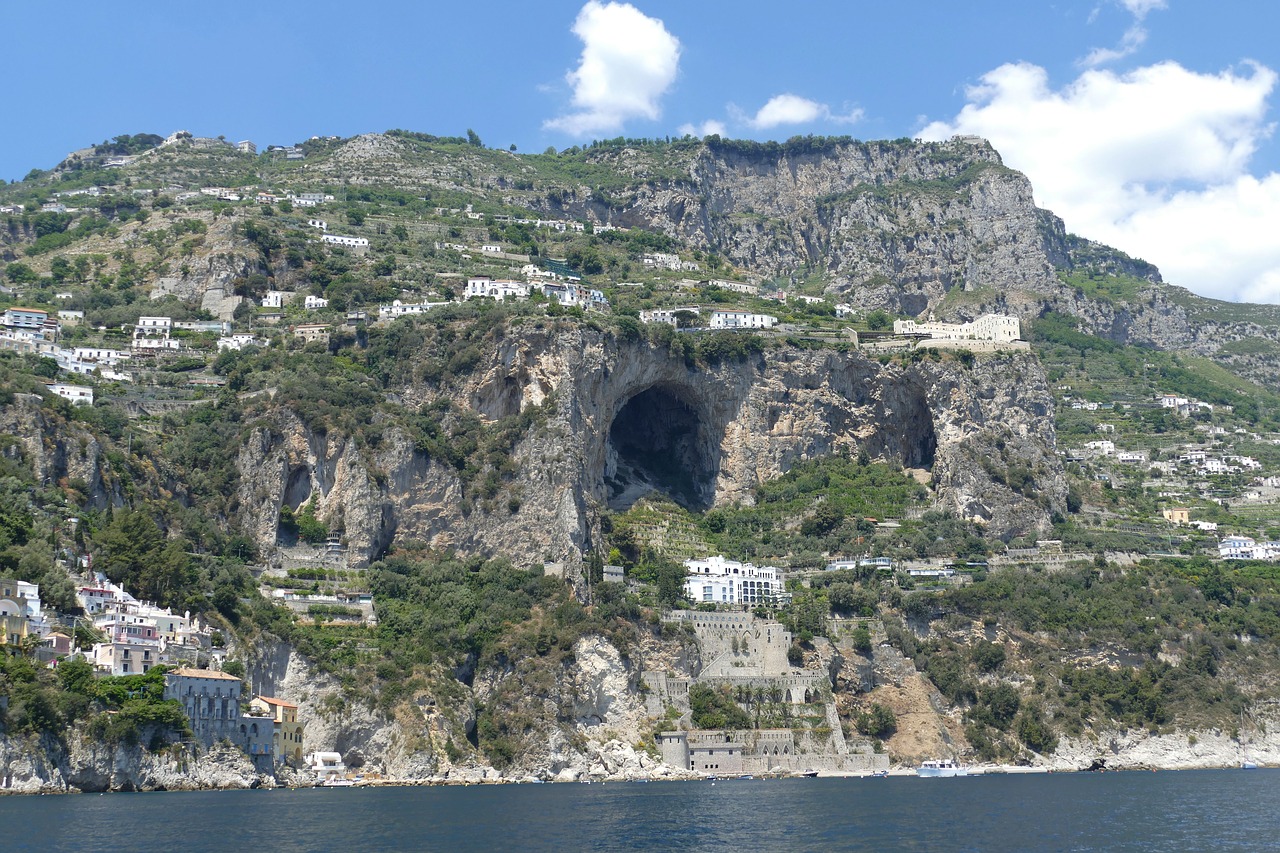
Just outside the city lies Vietri sul Mare, gateway to the coast and the capital of majolica: its craft history is in Vietri ceramics. Heading west you come to Cetara, the village of tuna fishermen and of Colatura di Alici di Cetara, and then the jewels of the Amalfi Coast, a UNESCO World Heritage Site since 1997.
For Amalfi start with Amalfi: things to do and see and go further with Amalfi Cathedral and the Cloister of Paradise. Next door is Atrani, the smallest municipality in Italy by area, described in Atrani, the smallest town in Italy. In Ravello the hanging gardens of Villa Rufolo and Villa Cimbrone await, along with the music season described in Ravello: what to see and major events. In Minori you will discover the Roman villa of Minori, while between Positano and Praiano your guide is Positano and Praiano: what to visit. Two stops not to miss: the Fjord of Furore and, for walkers, the Path of the Gods.
A tip for food lovers: on the coast, taste products made with Limone Costa d'Amalfi IGP and look out for the sfogliatella pastry born in the convent of Conca dei Marini, which we tell you about in the sfogliatella Santa Rosa.
Abbeys, charterhouses and inland villages
A few kilometres from the city, Cava de' Tirreni is home to the Badia di Cava, the Abbey of the Holy Trinity, founded by Sant'Alferio (Saint Alferius) in the early 11th century. On the Sele plain, the National Archaeological Museum of Pontecagnano tells the story of the Etruscan city of Pontecagnano Faiano, and further inland the green Picentini mountains open up, with the Picentini nature reserves: Monte Polveracchio and Valle della Caccia and, along the Sele river, the WWF Oasis of Persano.
In the Vallo di Diano two destinations alone are worth the trip: the Certosa di Padula, in Padula, one of the largest charterhouses in Europe, and the village of Teggiano, which we describe in Teggiano, the town of carved doorways. Underground, meanwhile, the appeal lies in the caves: the Pertosa-Auletta Caves, crossed by an underground river, and the Castelcivita Caves.
Paestum and the Cilento
South of Salerno the landscape changes. In Capaccio Paestum you can visit the great Doric temples of the Greek colony of Poseidonia: everything you need to know is in Paestum and its temples. The plain is also a land of excellent produce such as Carciofo di Paestum IGP (Paestum artichoke) and, in Battipaglia, of the dairy products we celebrate in the zizzona of Battipaglia, a giant buffalo mozzarella.
For the Cilento we have a dedicated guide, the Cilento: what to do and see. From there you can explore the Archaeological Park of Velia, the city of the philosopher Parmenides; Agropoli, its old village and castle; and the sea at Palinuro and the Arco Naturale and the Bay of Infreschi. Freshwater lovers will find trails among waterfalls and gorges in the Valle delle Ferriere and the Calore Gorges. For the curious there are Roscigno Vecchia, the abandoned village, the Palaeontological Museum of Magliano Vetere and the Museum of Homemade Toys in Montano Antilia. Remember that the Cilento National Park, together with Paestum, Velia and the Certosa di Padula, has been a UNESCO World Heritage Site since 1998.
The Cilento is also the cradle of the Mediterranean diet: we tell you about it in Pioppi and the Mediterranean diet. Local customs are in Cilento traditions and the old street trades in the travelling trades of the Cilento.
Sea and beaches
From the Amalfi Coast to the Gulf of Policastro, the province offers an almost endless choice of seaside. We have picked our favourites in the most beautiful beaches in the province of Salerno, with coves reachable on foot, sandy beaches suited to children and bays to discover by boat.
What to eat and drink
Salerno's cuisine brings together the sea, the vegetable garden and the mountains. Start with what to eat in Salerno and typical dishes of Salerno, then move on to the signature products: Fico Bianco del Cilento DOP (white fig), Cacioricotta caprino del Cilento, a goat's milk cheese, alici di menaica, net-caught anchovies from Pisciotta, the soppressata salami of Gioi and the Nocciola di Giffoni IGP hazelnut. If you want to travel following the calendar of village food festivals, see the 5 most important food festivals in Salerno and its province.
For wine, the overall map is in the wines of Salerno. We have described the appellations one by one: Costa d'Amalfi DOC, Cilento DOC, Castel San Lorenzo DOC, Colli di Salerno IGT and Paestum IGT.
Getting there and when to go
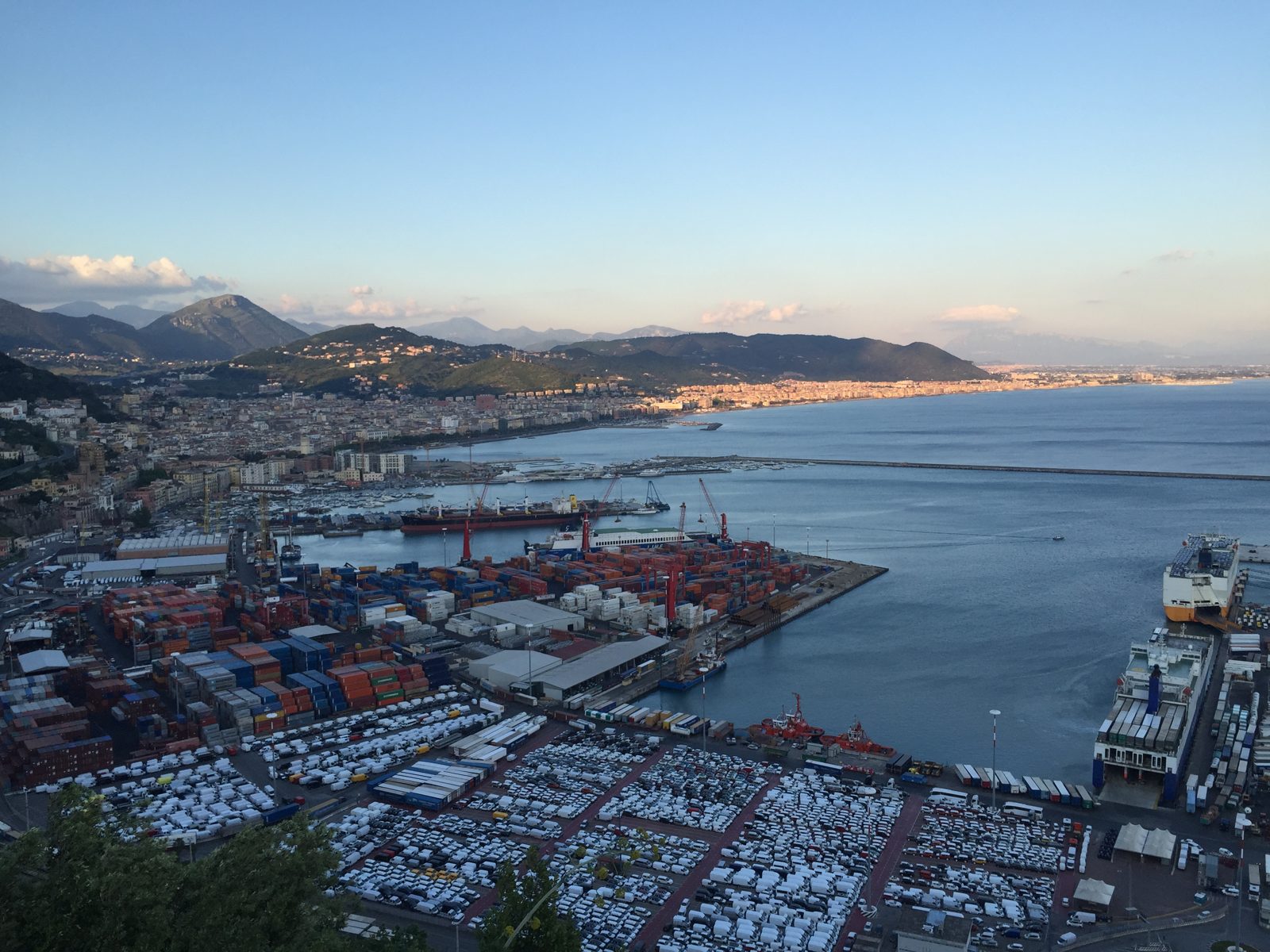
Salerno is served by the Napoli-Salerno railway line and by high-speed trains, and can be reached by car on the A3 motorway from Naples or the A2 Autostrada del Mediterraneo from the south. During the warmer months, boats leave the port for the Amalfi Coast, a handy way to avoid traffic on the coast road. Always check timetables and tickets on the official websites before you go.
Spring and early autumn are our favourite times: mild weather, a still-pleasant sea and fewer crowds. Summer is perfect for the beaches, winter for the festive lights and for visiting museums and churches at a relaxed pace.
Nearby
If you want to continue your trip around Campania, we recommend our other two provincial guides: Avellino and its surroundings, to discover Irpinia with its sanctuaries, castles and great wines, and Caserta and its surroundings, with the Reggia, San Leucio and the villages of the Caserta area. Just a short way from the city, meanwhile, don't miss Vietri ceramics and Arechi Castle.