Three days on the Amalfi Coast is just the right amount of time to see both its picture-postcard side and its hidden one, made of footpaths, lemon groves and villages clinging to the rock. We have explored it on foot, by bus and by boat, and here is the itinerary we enjoyed most, from west to east.
Day 1: the Path of the Gods and Positano
We set off early from Bomerano, a hamlet of Agerola, to walk the Sentiero degli Dei (Path of the Gods): about three hours along the hillside, with the sea always below us and views stretching all the way to Capri. The trail ends at Nocelle, from where you can head down to Positano via a long flight of steps or by local bus. All the directions are in the Path of the Gods.
The afternoon is for Positano: the pastel-coloured houses, the church of Santa Maria Assunta with its majolica dome and the Spiaggia Grande, the main beach. If you have time left, carry on to Praiano for the sunset. Read Positano and Praiano: what to visit.
Day 2: Furore, Amalfi and Atrani
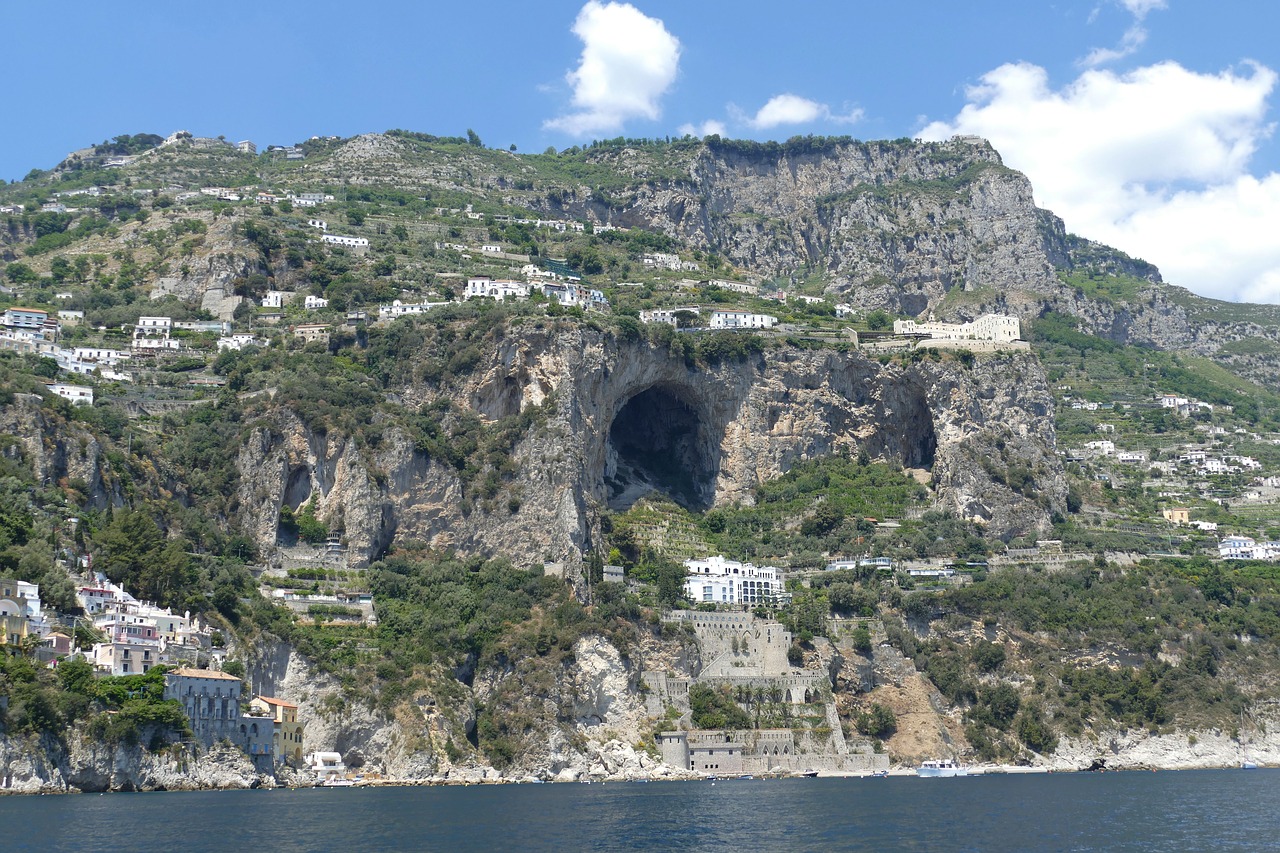
In the morning we stop at the fjord of Furore, a cleft in the rock spanned by the bridge of the coast road, with the little fishermen's village below: we describe it in the Fjord of Furore.
Next comes Amalfi, once a powerful maritime republic. The steps of the Duomo di Sant'Andrea and the Chiostro del Paradiso (Cloister of Paradise) alone are worth the stop: you will find everything in Amalfi Cathedral and the Cloister of Paradise and Amalfi: things to do and see. Keen walkers can head up the Valle dei Mulini (Valley of the Mills), where paper used to be made, as far as the nature reserve described in the Valle delle Ferriere.
At the end of the day, a walk of just a few minutes takes you to Atrani, with its cosy little square: Atrani, the smallest town in Italy awaits.
Day 3: Ravello, Minori and the eastern coast
We head up to Ravello early in the morning, when the gardens are at their quietest. Villa Rufolo, linked to the memory of Richard Wagner, and Villa Cimbrone with its Terrazza dell'Infinito (Terrace of Infinity) are the two unmissable stops: read Villa Rufolo and Villa Cimbrone and Ravello: what to see and major events.
Then head down to Minori to visit the imperial-era Roman villa (the Roman villa of Minori), and continue to Maiori, with the longest beach on the coast. In the afternoon stop at Cetara, a fishing village famous for its colatura di alici (anchovy extract), and finish in Vietri sul Mare, among the ceramics workshops. To find out more, see Colatura di Alici di Cetara and Vietri ceramics.
What to eat along the way
You can't leave the coast without tasting scialatielli (fresh ribbon pasta) with seafood and lemon desserts. Read scialatielli all'amalfitana, Limone Costa d'Amalfi IGP and sospiri al limone, lemon cream cakes; for wine there is Costa d'Amalfi DOC.
Getting there and when to go
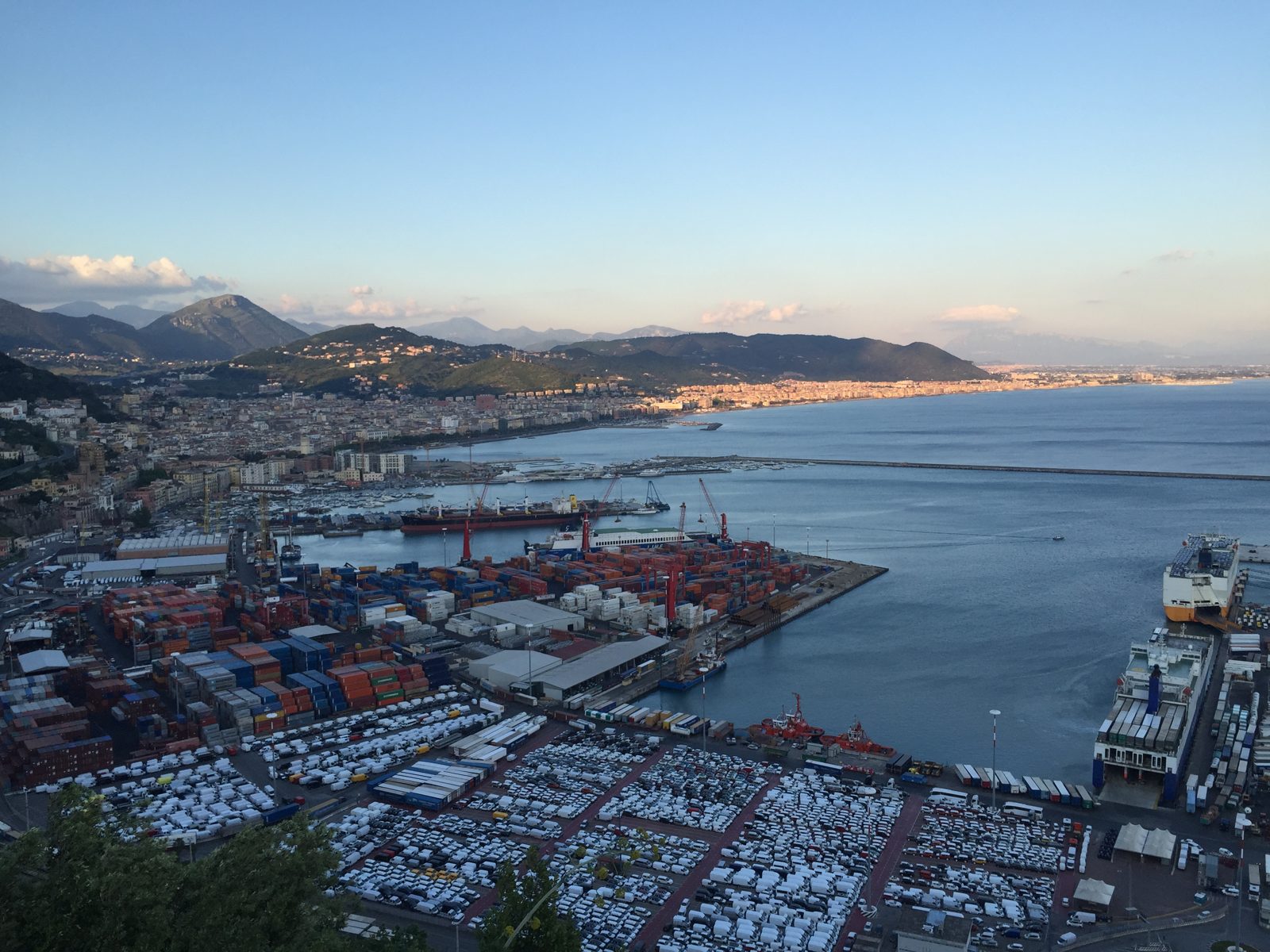
The coast can be reached from Salerno or Sorrento. The Strada Statale 163 Amalfitana is narrow and often busy, and at certain times traffic restrictions apply: we recommend public buses and boat services, which link Salerno, Amalfi and Positano during the warmer months. The best times to go are spring and early autumn: on the Path of the Gods avoid the hottest hours and check trail conditions. Bus, ferry and site timetables should be checked on official channels before you set off.
Nearby
With an extra day we recommend Paestum and its temples or a stop in Salerno with Salerno and its surroundings. If you have a week, fit the coast into our Campania in 7 days, and for more summer ideas read the most beautiful beaches in the province of Salerno.