Every time we return to the Cilento we realise we have only seen part of it. It is a huge area, stretching from the sea at Palinuro to the Alburni mountains, from the temples of Paestum to the stone villages of the interior. In this guide we put in order the stops we recommend, with links to the articles where we describe them in detail.
The National Park and the UNESCO heritage
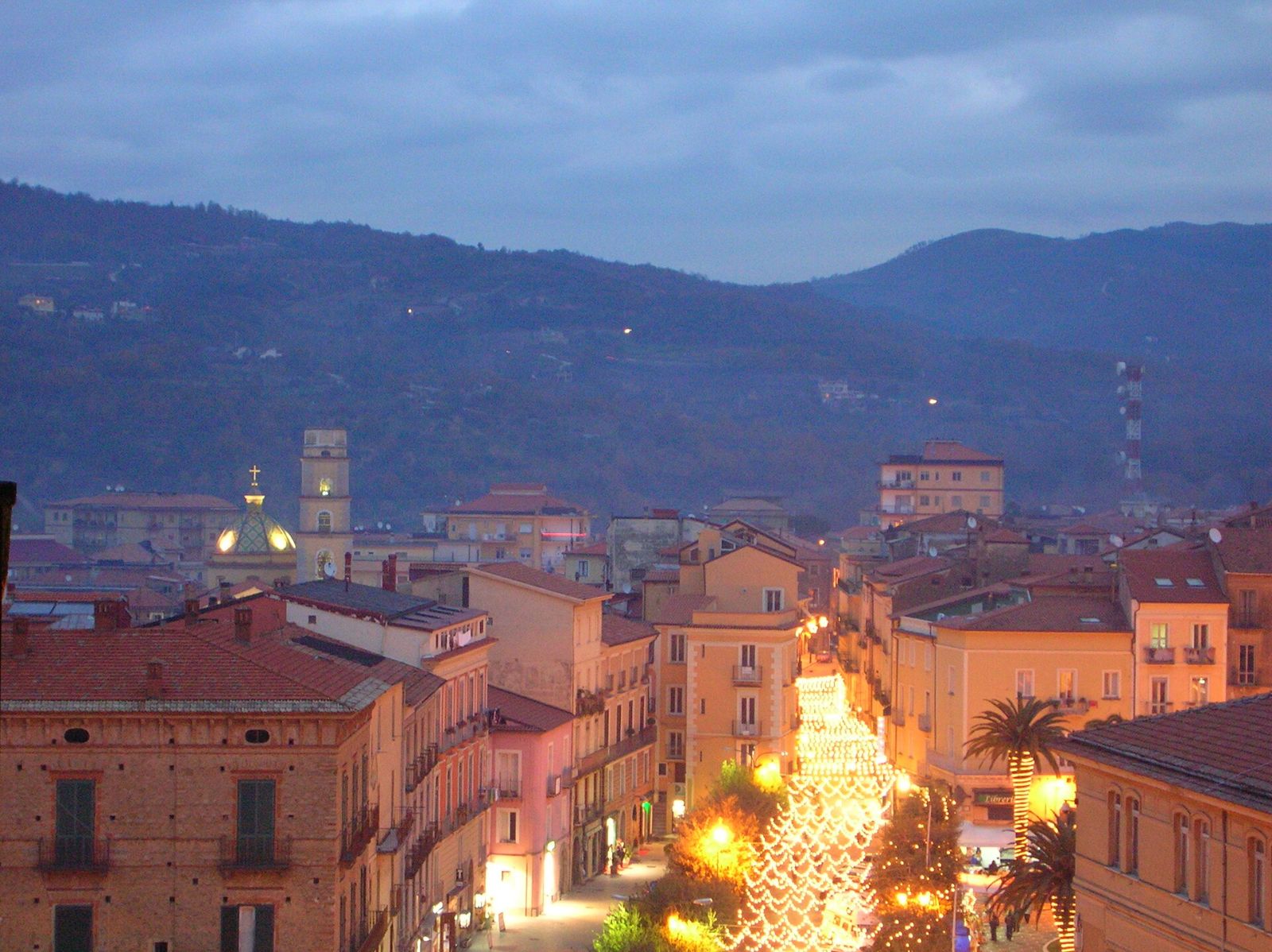
Much of the territory is protected by the Cilento, Vallo di Diano and Alburni National Park, established in 1991 and headquartered in Vallo della Lucania. Covering more than 180,000 hectares, it is one of the largest parks in Italy. In 1997 it became a UNESCO Biosphere Reserve and in 1998 it was added to the World Heritage list, together with the sites of Paestum, Velia and the Certosa di Padula. In 2010 it was the first Italian national park to be recognised as a Geopark. Its highest peak is Monte Cervati, 1,898 metres, which is also the highest summit in Campania.
The ancient cities: Paestum and Velia
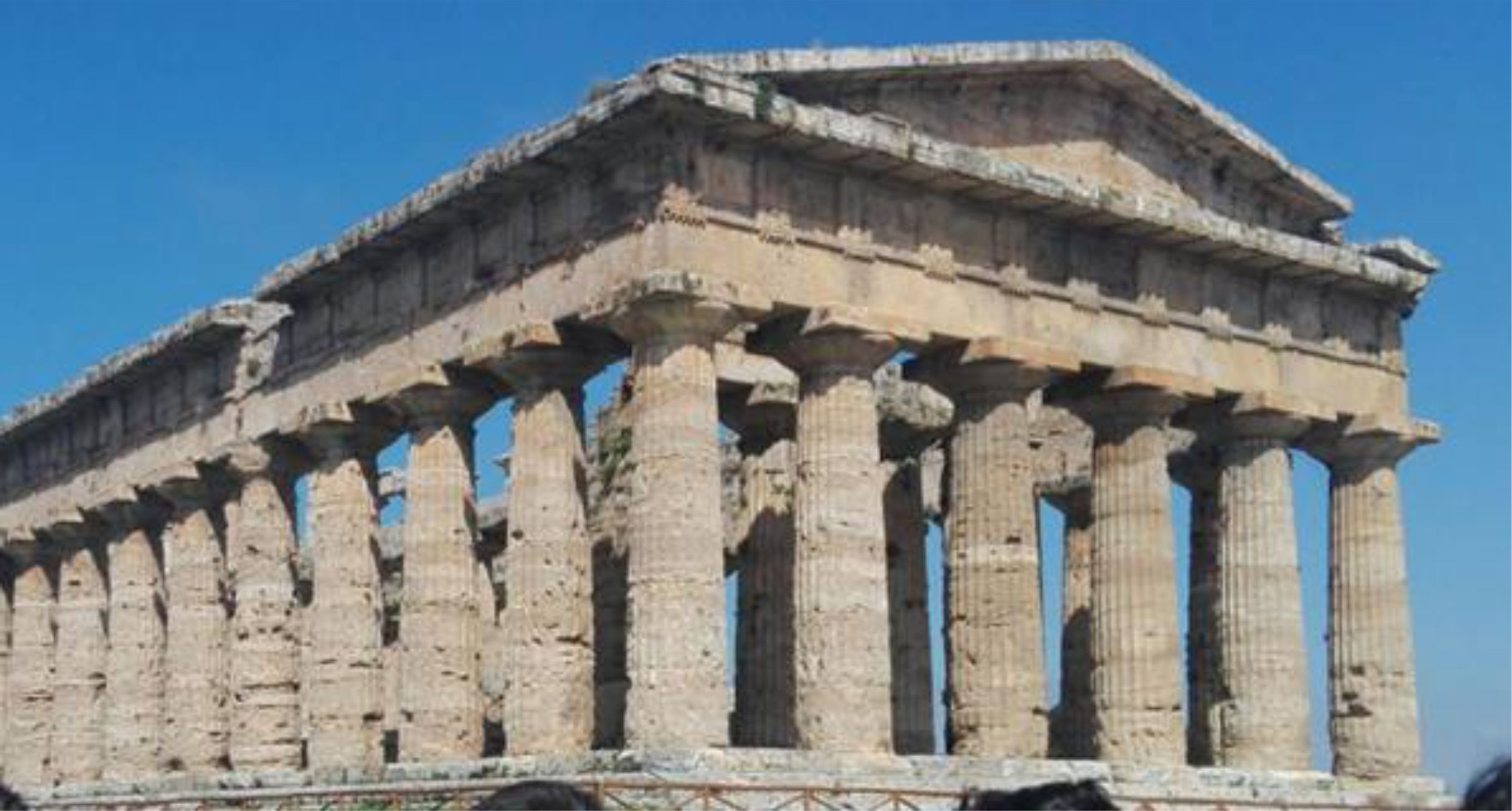
The journey almost always begins in the north, with the Doric temples of Capaccio Paestum: everything you need to know is in Paestum and its temples. Further south, in the territory of Ascea, lies ancient Elea, later Velia, founded around 540 BC by Greek exiles from Phocaea. This is where the Eleatic school of philosophy of Parmenides and Zeno was born. We loved the climb up to the acropolis among the olive trees: read the Velia Archaeological Park.
Along the coast, in Agropoli, the historic centre perched on the headland and the castle are worth a stop: we tell you all about them in Agropoli, the old village and the castle.
The sea: from Castellabate to Palinuro and the Infreschi
The Cilento coast alternates sandy beaches, cliffs and coves that can only be reached from the sea. In Castellabate the medieval village looks down on the sea of Santa Maria, and many people know it thanks to the film Benvenuti al Sud. In Centola you will find Palinuro, with its sea caves and famous rock arch: read Palinuro and the Natural Arch. Further south still, in the municipality of Camerota, the Bay of Infreschi awaits you, inside a marine protected area.
If you are choosing where to swim, our selection is in the most beautiful beaches in the province of Salerno.
Pioppi and the Mediterranean diet
In Pioppi, a hamlet of Pollica, the American physiologist Ancel Keys lived for many years. He studied the eating habits of Mediterranean populations and helped make the Mediterranean diet known around the world; since 2010 it has been recognised by UNESCO as intangible cultural heritage. A walk along the Pioppi seafront is a good way to understand the bond between this land and its food: we talk about it in Pioppi and the Mediterranean diet.
The interior: caves, gorges and villages
Once you leave the coast, the Cilento changes face. In Pertosa and Auletta you can visit the Pertosa-Auletta Caves, where part of the tour is done by boat on an underground river. Not far away are the Castelcivita Caves, among the most extensive in Southern Italy. In Felitto the Calore river carves out a canyon of rock and clear water: you will find the route in the Calore Gorges.
Among the villages, two have stayed in our hearts. Roscigno preserves its old centre, abandoned in the early 20th century because of landslides, a village frozen in time: read Roscigno Vecchia, the abandoned village. In the Vallo di Diano, Teggiano surprises with its carved stone portals: we talk about it in Teggiano, the town of portals. For those travelling with children, in Montano Antilia there is the Museum of Poor Toys in Montano Antilia, and fossil enthusiasts can visit the Palaeontological Museum of Magliano Vetere.
The Certosa di Padula
In Padula stands one of the largest monastic complexes in Europe, the Certosa di San Lorenzo, founded in 1306 by Tommaso II Sanseverino. The great cloister, with 84 pillars on two levels, measures about 104 by 150 metres, and the 18th-century elliptical staircase by Gaetano Barba is a masterpiece. We recommend devoting half a day to it: all the details are in the Certosa di Padula.
Cilento flavours and traditions
The Cilento can also be discovered at the table. In Pisciotta fishermen still catch menaica anchovies with the ancient net of the same name; in Gioi they make the soppressata of Gioi. Try the Cilento PDO white fig, the Cilento goat's milk cacioricotta and the Paestum PGI artichoke, paired with a red or white Cilento DOC wine or Castel San Lorenzo DOC wine.
To learn about the festivals, rituals and trades of times gone by, read Cilento traditions and travelling trades in the Cilento.
How to get there and when to go
The railway line from Salerno runs down the coast, with stations at Paestum, Agropoli, Vallo della Lucania, Pisciotta-Palinuro and Sapri. For the interior, however, a car remains essential; for the Vallo di Diano you take the Autostrada del Mediterraneo motorway. The sea is at its best from June to September, while spring and autumn are perfect for trails, caves and villages. For sites and museums, check opening hours and tickets on the official website before you set off.
Nearby
The Cilento borders the Sele plain and Salerno: for the rest of the province read Salerno and its surroundings. If you still have time, head back up towards the coast with Amalfi: what to do and what to see, or inland with the WWF Oasis of Persano.
Top photo (Vallo della Lucania): Miki.mod at Italian Wikipedia (Original text: Michele Modica), Public domain, via Wikimedia Commons.