When we went up to the Belvedere of San Leucio, a few kilometres from the Royal Palace of Caserta, we expected yet another Bourbon hunting lodge. Instead we found a place that tells the story of an almost utopian idea: a silk factory with workers’ houses, a school and rules of community life that were surprising for the 18th century. Come with us through royal apartments, looms and terraced gardens.
From the Acquaviva lodge to a hunting residence
On the hill of San Leucio, the Acquaviva princes, lords of Caserta, had built a lodge called "Belvedere" precisely because of the view that opens over the plain. In 1750 Charles of Bourbon bought these lands together with the fief of Caserta, and the wooded area became a hunting reserve linked to the new Royal Palace.
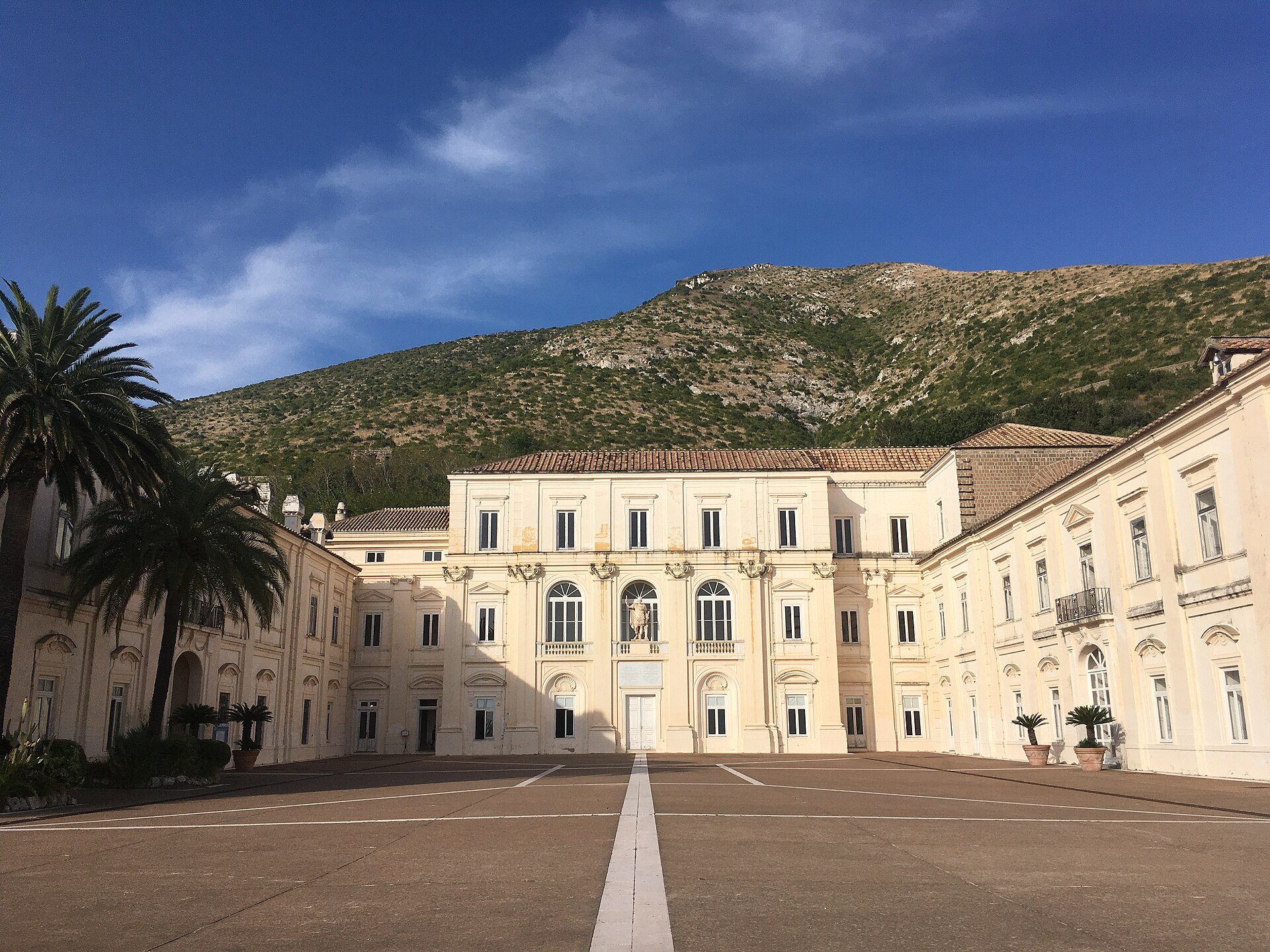
It was his son, Ferdinand IV, who truly fell in love with the place. From 1776 the architect Francesco Collecini, a pupil and collaborator of Luigi Vanvitelli, restored and enlarged the old lodge, turning it into a royal residence overlooking a large courtyard.
The Royal Silk Colony
A few years later, around 1778, the king decided to change the purpose of the complex: next to the apartments a silk manufactory was born. The first families of weavers arrived after specific training, and around the factory the workers’ houses were built, all identical, with running water and a vegetable garden.
In 1789 Ferdinand IV issued the colony’s Statute, the so-called leggi leuciane (Leucian laws). We were struck by how advanced they were for the time: equality between men and women, compulsory schooling for children, abolition of the dowry, care for the sick and elderly, and working hours shorter than was usual in the factories of the day. A social experiment that gave a whole community a home and a trade.
The dream of Ferdinandopoli
The king imagined more: a real city of silk, Ferdinandopoli, with a radial plan spreading out from the Belvedere. The project was never carried out, partly because of the upheavals of 1799. What remains are two workers’ quarters, San Carlo and San Ferdinando, which still run down the hillside today and can be crossed on foot in a few minutes.
The textile tradition, however, has never died out: damasks, brocades and lampas fabrics are still produced in the San Leucio area. We go into more depth in San Leucio silk, a Bourbon tradition.
What to see in the complex today
The visit is split between the royal rooms and the factory. In the Royal Apartments, the room that impressed us most is the Bath of Maria Carolina, decorated with encaustic paintings by the court painter Jakob Philipp Hackert and with a large marble tub. In the dining room and the other rooms you’ll find frescoes with mythological subjects by Fedele Fischetti and his circle.
The part we found most fascinating is the Silk Museum: here you can see restored historic looms in working order, the great wooden throwing machines originally driven by a water wheel, and the machinery that illustrates every stage of production, from cocoon to fabric. We explore it further in The Silk Museum of San Leucio.
Don’t miss the Italian-style gardens laid out on terraces, with citrus trees and views over the plain, and the church of San Ferdinando Re, reached from the Belvedere square by a double flight of steps. In the village you can also visit the Casa del Tessitore (Weaver’s House), a worker’s home furnished as it once was.
An uncrowded UNESCO site
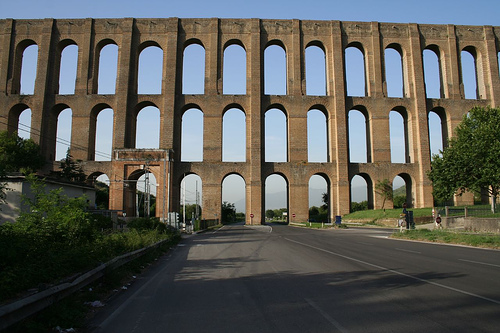
Since 1997 the San Leucio complex has been a UNESCO World Heritage Site together with the Royal Palace of Caserta and the Carolino Aqueduct: three projects from the same century, linked by the Enlightenment vision of the Bourbons. Compared with the Royal Palace, the atmosphere here is much more intimate, and for us that is a plus. Exhibitions, concerts and cultural events are often held in the courtyards and halls, especially in the warmer months.
Getting there and when to go
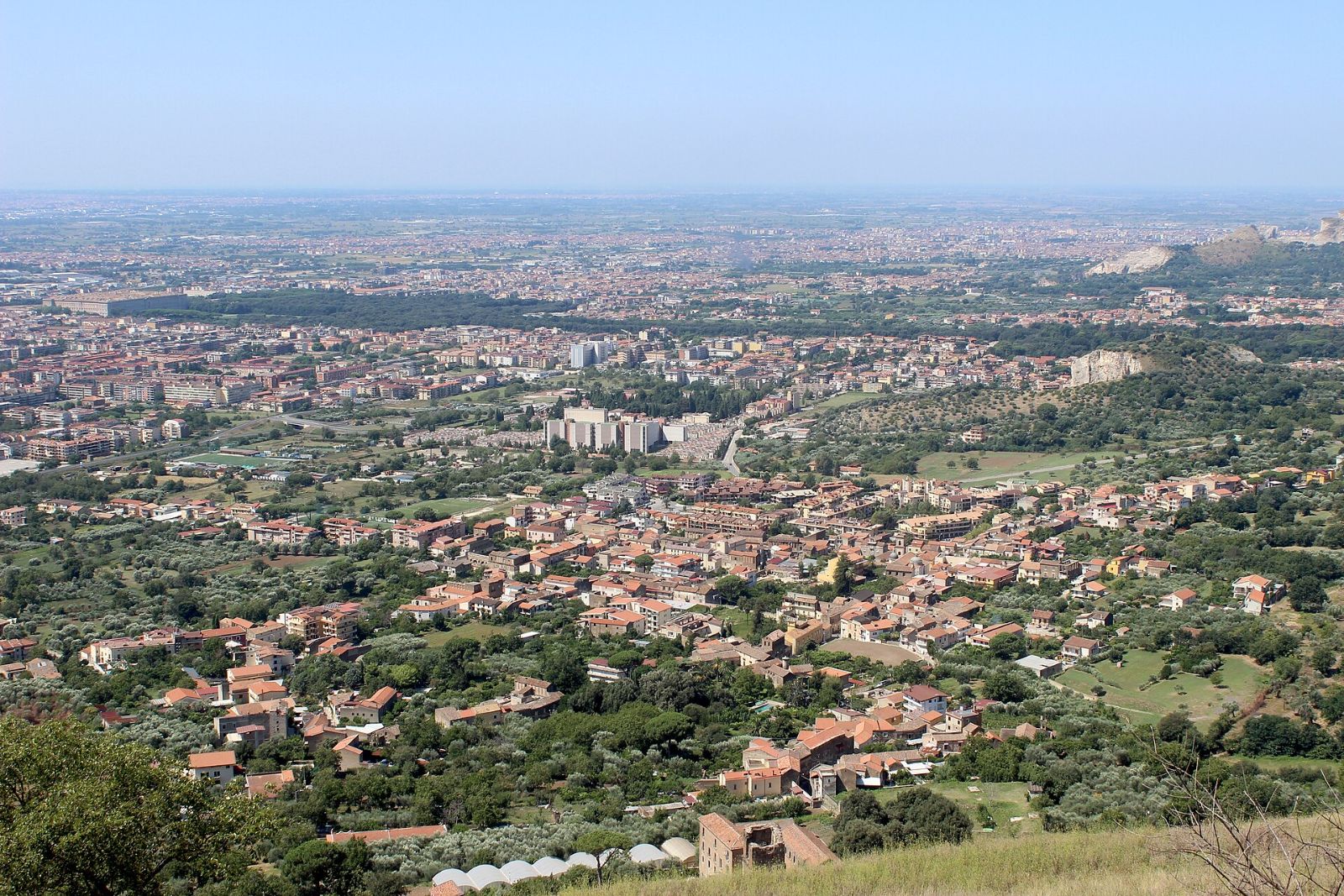
San Leucio is a district of Caserta, north of the Royal Palace, and can be reached by car in a few minutes from the centre; from the station there are city bus connections. We recommend combining it on the same day with the Royal Palace or with Casertavecchia. Spring and autumn are the best times to enjoy the gardens too. Opening times and access arrangements change throughout the year: check times and tickets on the official website before you set off.
Nearby
- The Royal Gardens of Caserta, the great park of Vanvitelli’s Royal Palace.
- The Carolino Aqueduct and the Ponti della Valle, the work that carried water to the royal fountains.
- Casertavecchia, the medieval village on the Tifatini Mountains.
- Caserta and its surroundings, our guide to planning your whole visit.
Top photo (San Leucio, Belvedere Palace): Mel22, CC BY-SA 4.0, via Wikimedia Commons.
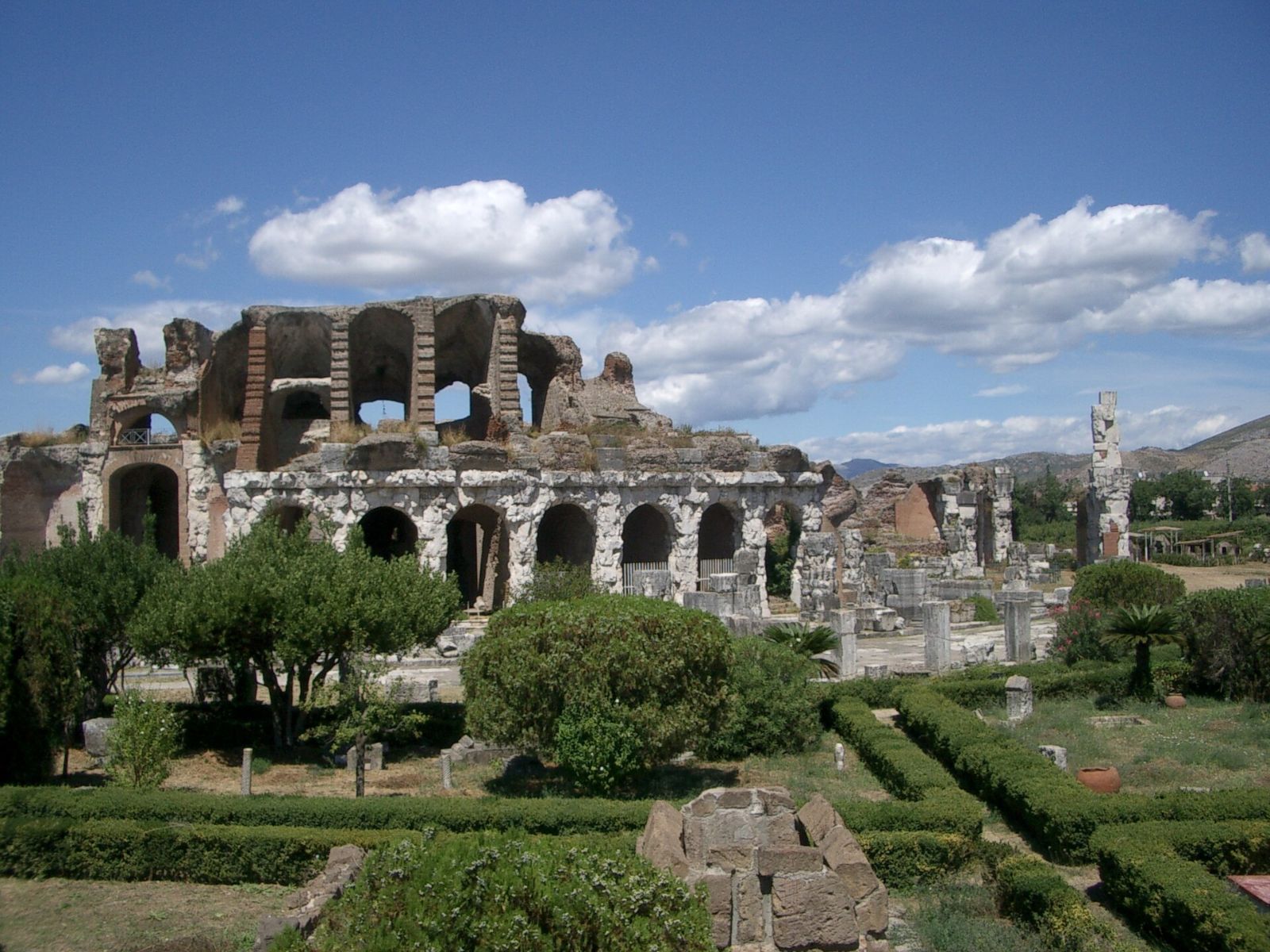
Read also: The Campanian Amphitheatre and the Mithraeum of Santa Maria Capua Vetere