If we had to choose just one place to tell you about Benevento, we would probably choose this one. Stepping into Santa Sofia made quite an impression on us: its floor plan is unlike any church you have ever seen, and walking among the columns you feel as if you are inside an architectural idea more than a thousand years old. Next door, the cloister and the Museo del Sannio round off a visit that we recommend you take without hurrying.
The church of Arechis II
Santa Sofia was commissioned by the Lombard duke Arechis II, who came to power in 758, and was completed around 760, when it received the relics of the Twelve Martyr Brothers. It was the court church of the duchy, later principality, of Benevento, the heart of the so-called Langobardia Minor.
Beside the church, Arechis founded a Benedictine convent for women, dependent on Montecassino, and entrusted it to his sister Gariperga. The complex was therefore born as a place of both power and prayer.
A floor plan you won’t forget
What makes Santa Sofia special is its central plan: in the middle, six columns stand at the corners of a hexagon, surrounded by a ring of limestone pillars, with two more columns at the entrance. The outer walls follow a broken line that gives the church its characteristic star shape.
The interior was once entirely frescoed. Today a few fragments survive in the side apses, with scenes of the Annunciation and the Visitation, the work of artists linked to the Beneventan school between the late 8th and early 9th centuries. We recommend looking for them carefully: there are only a few, but they are precious.
The earthquakes of 1688 and 1702 seriously damaged the building, which was rebuilt in Baroque style at the behest of Cardinal Vincenzo Maria Orsini, the future Pope Benedict XIII. A restoration in 1957 then brought the Lombard layout back to light while keeping the Baroque façade: that is why the outside and the inside seem to speak two different languages.
UNESCO World Heritage
Since June 2011 Santa Sofia has been part of the UNESCO site “Longobards in Italy. Places of Power (568–774 A.D.)”, which brings together seven places in different Italian regions linked to the Lombard presence. It is one of the reasons why we suggest spending more time here than elsewhere.
In front of the church opens Piazza Santa Sofia, with its fountain and the bell tower rebuilt in the 18th century after the earthquakes, again on the initiative of Cardinal Orsini.
The cloister and the Museo del Sannio
From the church you pass into the cloister, built in the 12th century and now part of the museum route. It is one of the places we liked most: the arches rest on columns with carved impost blocks depicting animals, hunting and work scenes, and fantastic creatures. Take the time to walk the whole portico, looking at the capitals one by one.
Around the cloister is the Museo del Sannio (Museum of Samnium), founded by the Province in 1873. Here you will find the following sections:
- archaeology, with finds ranging from prehistory to the Roman era;
- medieval, with particular focus on the Lombard period;
- art, with works from the Renaissance to the modern era by local and Campanian artists.
The museum’s historical section, on the other hand, is housed in the Rocca dei Rettori. The Egyptian finds linked to the Temple of Isis built by Domitian are now displayed at another venue in the city, the ArCoS museum.
How to get there and when to go
Santa Sofia overlooks the square of the same name, along Corso Garibaldi, right in the historic centre. Benevento has a railway station and can be reached by car from the A16 motorway via the link road to the city; once you arrive, the best way to get around is on foot.
It can be visited all year round. Bear in mind that the church is a place of worship and the museum has its own opening hours: check times and tickets on the official website before you set off. To build a complete itinerary in the city and the province, you will find ideas in our guide Benevento and its surroundings.
In the surroundings
Santa Sofia sits at the centre of a route that is easy to do on foot. A few minutes away is The Arch of Trajan, while continuing along the Corso you reach The Rocca dei Rettori and the Hortus Conclusus, home to the museum’s historical section. Heading down towards the Rione Triggio you will find The Roman Theatre of Benevento. If you have an extra day, outside the city we recommend The Castle and the Museo del Sannio Caudino in Montesarchio and the village of Sant’Agata de’ Goti.
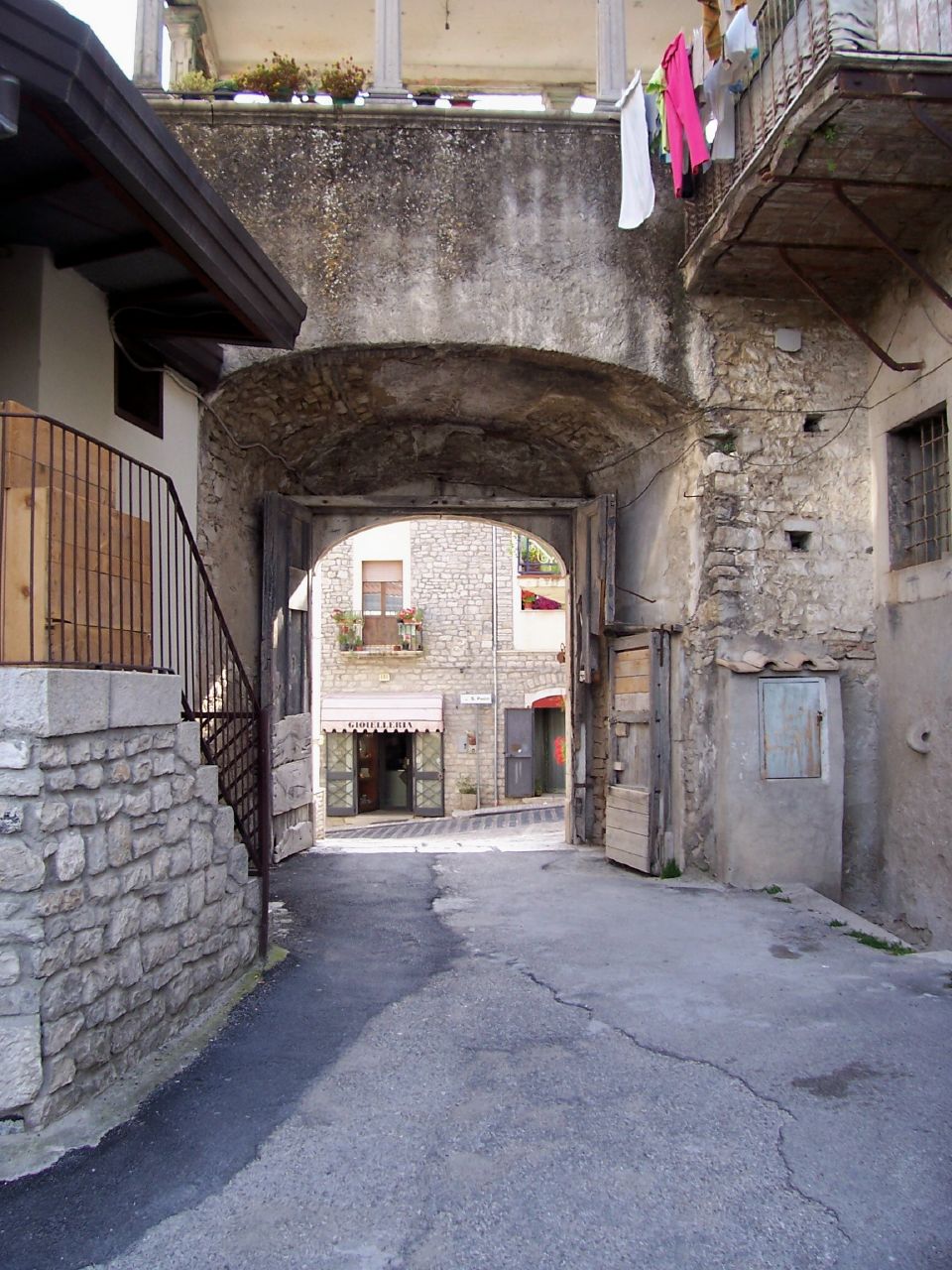
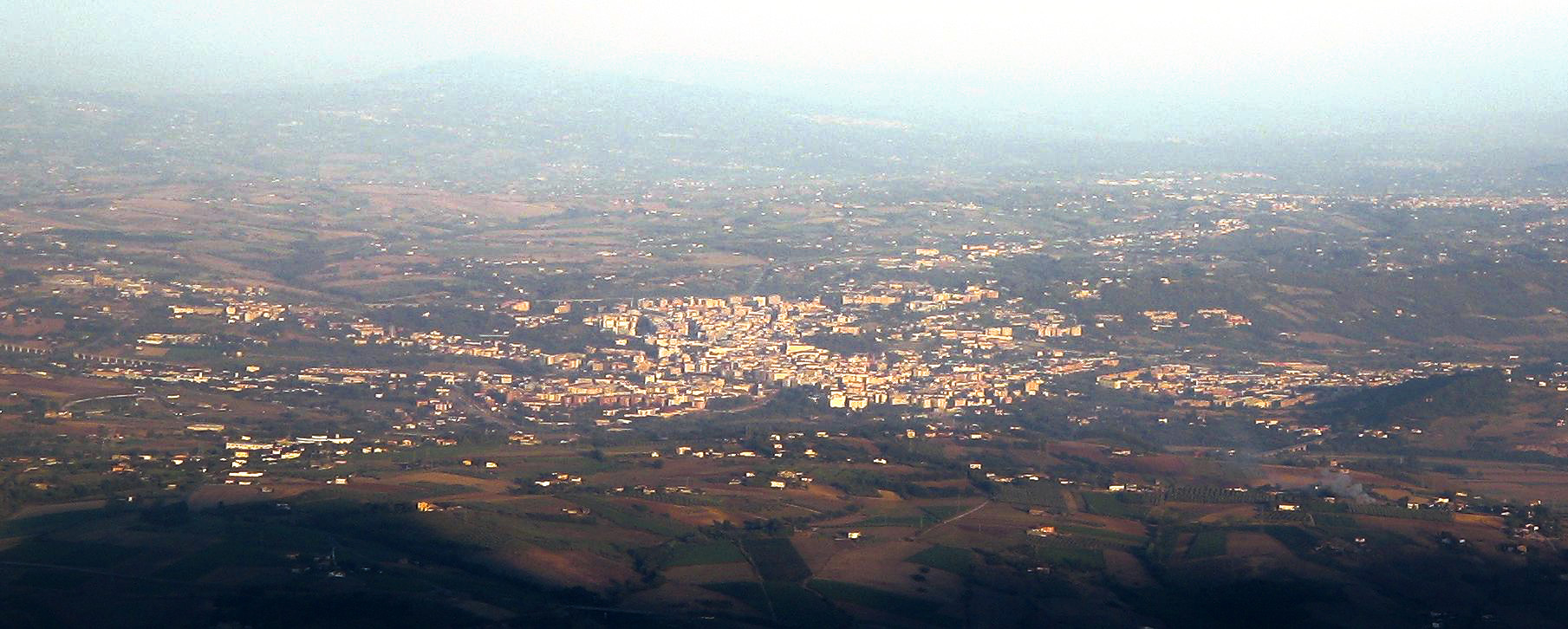
Top photo (Benevento): Dэя-Бøяg, CC BY-SA 3.0, via Wikimedia Commons.
Read also: The Belvedere of San Leucio