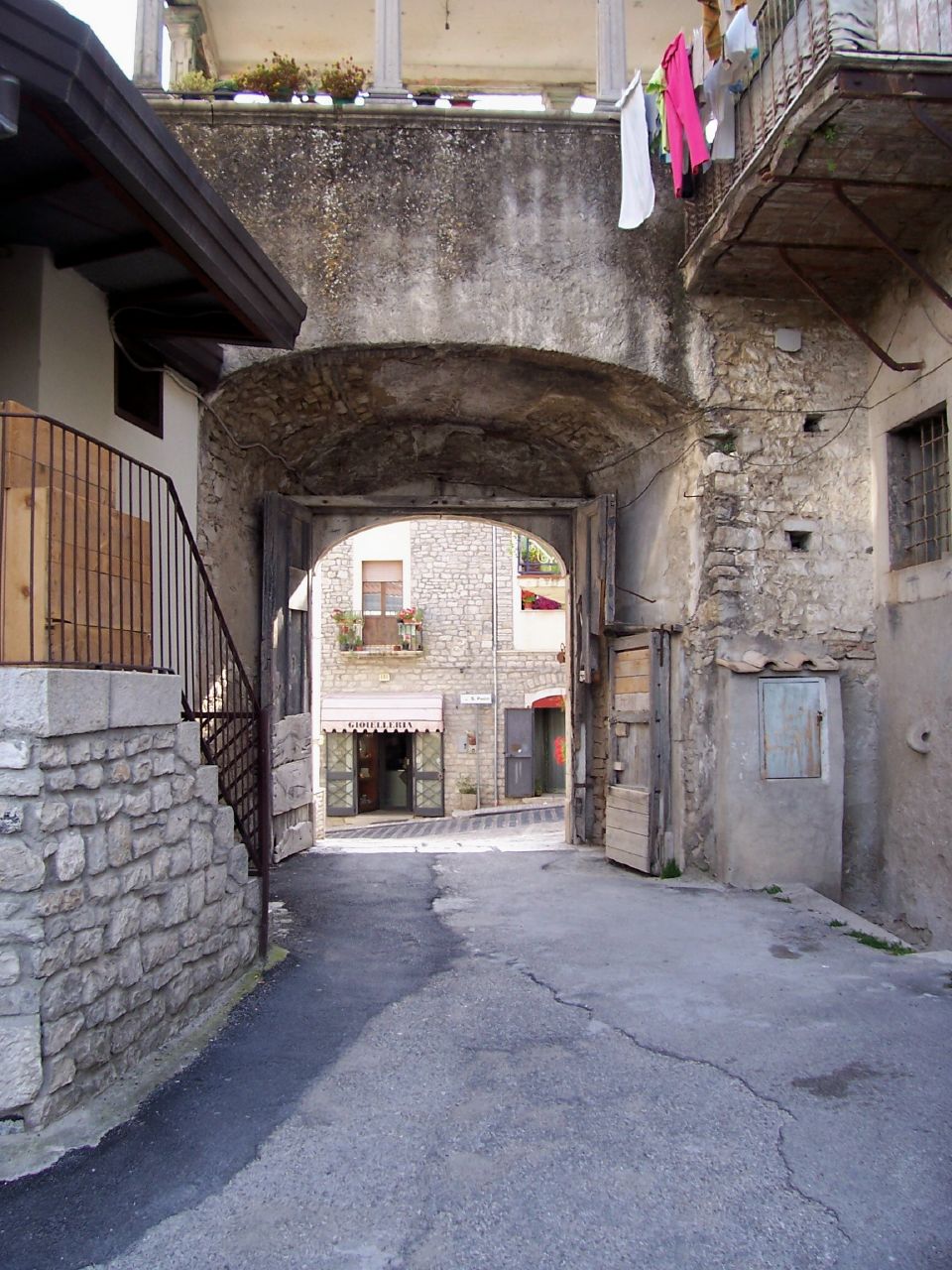
Reaching the Roman Theatre through the lanes of the old town is an experience we recommend: at a certain point the houses open up and the great curve of stone arches appears. We went on a quiet morning and were struck by how this space, born almost two thousand years ago, is still alive and in use. It is one of the stops you simply cannot miss in Benevento.
A theatre commissioned by two emperors
Construction of the theatre began under Emperor Trajan and the building was inaugurated under Hadrian, between 125 and 128 AD. In those years Benevento was an important colony, a crossroads between the Via Appia and the new Via Traiana, and a theatre of this size was a sign of its wealth.
A further restoration dates back to the Severan period: between 197 and 198 AD the colony dedicated a base to Emperor Caracalla, a testimony to the care the city lavished on its theatre.
The measurements of a giant
The numbers help you grasp the scale of the monument. The cavea, the tiered seating for the audience, has a diameter of about 98 metres, while the orchestra measures about 30 metres. Originally the building reached a height of about 23 metres.
The outer façade was marked by three superimposed orders, Tuscan, Ionic and Corinthian, as in the great theatres and amphitheatres of Rome. Today the lower order is visible, with its twenty-five arches on pillars: walking along the outer perimeter, you can imagine how tall the complete building must have been.
From ruin to rediscovery
For centuries the theatre remained largely buried and covered by later buildings. Today it is surrounded by the Rione Triggio, the medieval quarter that grew up right on top of and around the Roman remains, and walking around the area you can still see the signs of this layering.
The first recovery work was carried out by the architect Almerico Meomartini, who at the end of the 19th century began investigating the area at his own expense. Systematic excavations started in 1923 and continued in the 1930s, after the expropriation of the buildings occupying the monument; the Second World War interrupted them. After the restoration of the cavea, the theatre reopened to the public in 1957.
A theatre that still hosts performances
What we liked most is that the theatre is not just an archaeological site. Since reopening it has hosted plays, concerts and opera seasons, especially in the summer months. Watching a performance seated on the ancient tiers, with the sky above the stage, is a different and very moving way to experience the monument.
During a daytime visit we suggest you climb up the cavea and sit for a few minutes: from there you can appreciate the shape of the orchestra and easily imagine the audience that filled it. Then take a walk around the outside to see the arches and stone blocks up close.
How to get there and when to go
The theatre is in the south-western part of the old town and can be reached on foot from Corso Garibaldi by heading down towards the Rione Triggio. Benevento has a railway station and can be reached by car from the A16 motorway via the link road to the city; in the centre it is best to get around on foot.
The site can be visited all year round, but the warmer months are the best time, not least for the chance to combine your visit with an evening show. Opening hours and access arrangements may change, so check opening hours and tickets on the official website before setting off. For a complete picture of the city and its surroundings, take a look at our guide Benevento and surroundings.
In the surroundings
The theatre is the ideal starting point for an itinerary through Roman and Lombard Benevento. Heading back up towards the centre you will find the Arch of Trajan, the other great monument of the imperial age, and along the Corso Santa Sofia and the Museo del Sannio, where many finds from the ancient city are on display. Further on you reach the Rocca dei Rettori and the Hortus Conclusus. If you want to leave the city, to the west awaits the Castle and the Museo del Sannio Caudino in Montesarchio.
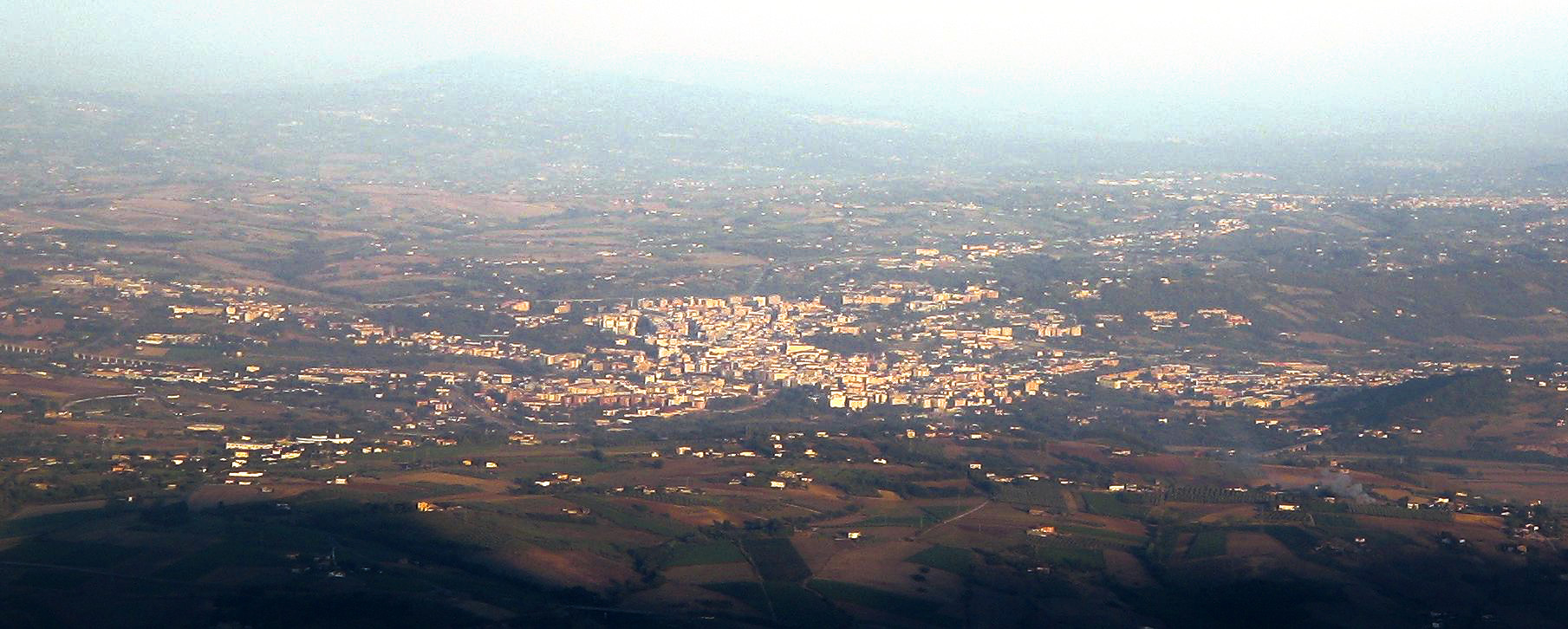
Top photo (Benevento): Dэя-Бøяg, CC BY-SA 3.0, via Wikimedia Commons.
Read also: Santa Sofia and the Museo del Sannio