The first time we stood in front of the Arch of Trajan, we fell silent for a few minutes: it is a monument that rises upwards and asks for time to be read, panel by panel. We are in the heart of Benevento, a few steps from the main street, and we promise you it alone is worth the trip to Sannio.
An arch for a new road
The arch was erected in honour of Emperor Trajan and dedicated in 114 AD, to mark the opening of the Via Traiana, the variant of the Via Appia that linked Rome to Brindisi more quickly by way of Benevento. The decorative work was probably completed in the following years, under his successor Hadrian.
So it is not just a celebratory monument but the gateway to a public work that changed connections in the South. We like to think that anyone arriving in the city along that road would first of all see this very arch, with its story in stone of the emperor’s achievements.
What it is like: size and materials
The arch has a single archway and is about 15.60 metres high and about 8.60 metres wide. The structure is made of limestone blocks faced with Parian marble, with half-columns framing the façades and an attic bearing the dedicatory inscription.
We were struck by its excellent state of preservation: it is considered one of the best-preserved Roman honorary arches in Italy, and looking at it up close you can see why. The carved surfaces are densely packed and almost no space is left empty.
Reading the reliefs: peace on one side, provinces on the other
The beauty of the Arch of Trajan is that it should be “read” like an illustrated book. The two faces tell two different themes:
- the side facing the city is devoted mainly to the themes of peace and to the emperor’s measures in favour of Rome and its citizens;
- the side facing the countryside, that is, towards those arriving along the road, celebrates Trajan’s policy towards the provinces and military themes.
Under the archway, we suggest you look up: here are two of the most famous scenes, the sacrifice for the inauguration of the Via Traiana and the institution of the alimenta, the system of aid for needy children established by the emperor. Bring a small pair of binoculars if you have one: the highest panels reveal details that escape the naked eye.
From triumphal arch to Porta Aurea
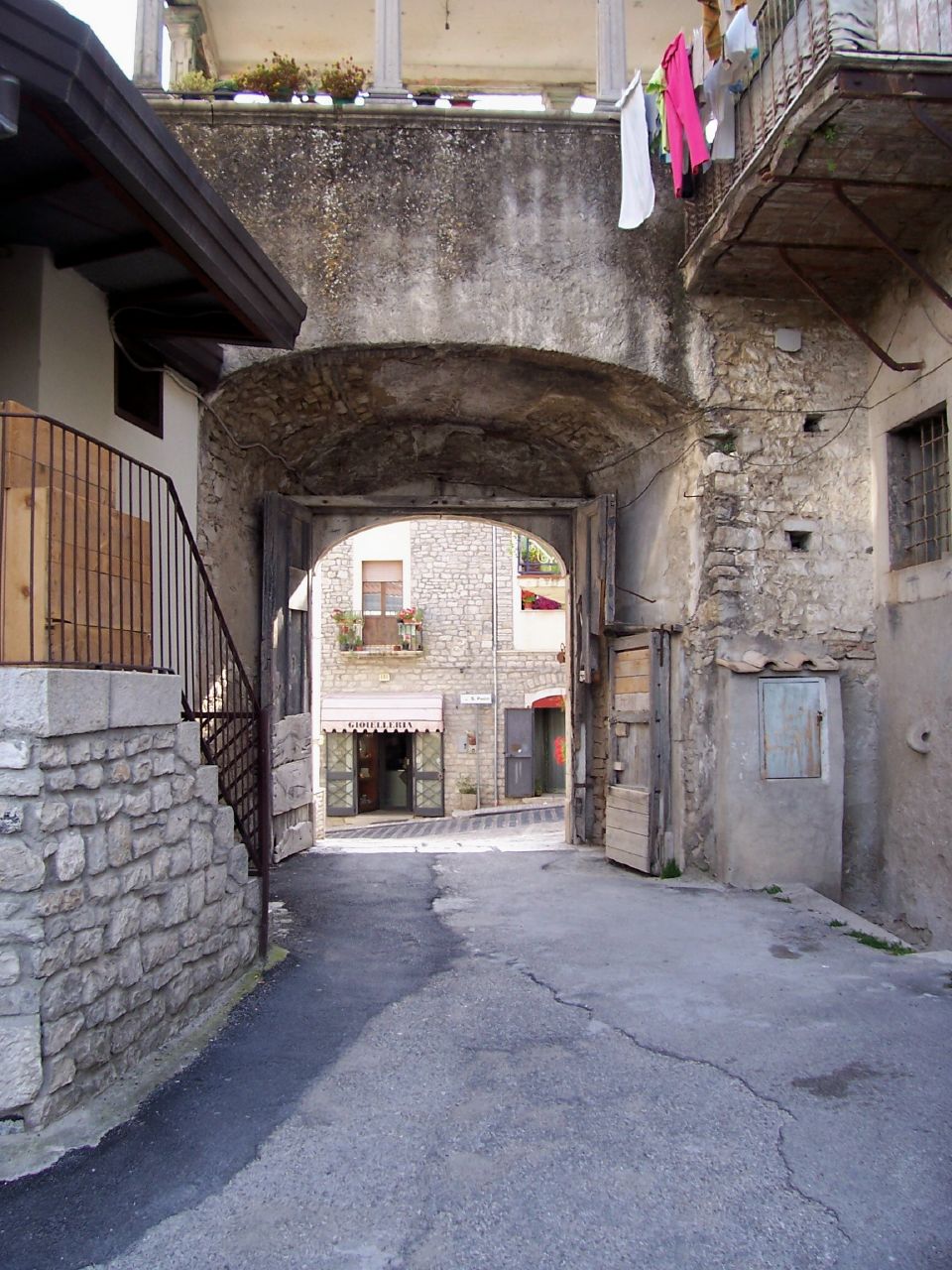
Under the Lombards the arch changed function: it was incorporated into the northern stretch of the city walls and became one of the gates of Benevento, known as the Porta Aurea (Golden Gate). Paradoxically, this reuse helped protect it over the centuries.
Over time the monument suffered damage and restorations, including after the earthquakes that struck the city in the 17th and 18th centuries. Only in 1850, on the occasion of the visit of Pope Pius IX, was the arch freed from the buildings that had been built up against it, taking on the free-standing appearance we see today.
Our tips for the visit
The arch stands at the end of Via Traiano, a short street branching off Corso Garibaldi, and can be seen freely in the open air. We suggest walking around it slowly, looking first at one façade and then the other, and coming back at sunset, when the low, raking light brings out the relief of the figures.
If you would like to include the arch in a wider tour of the city, in our article Benevento and surroundings you will find the main stops and some ideas for planning your day.
How to get there and when to go
Benevento has a railway station with connections to Naples and Caserta and can be reached by car from the A16 motorway via the link road to the city. Once in the centre, it is best to leave the car and walk: the arch, the Corso and the main monuments are close to each other.
The monument can be visited all year round; spring and autumn are the most pleasant seasons for strolling around the centre. If you plan to combine the arch with museums or sites that charge admission, check opening hours and tickets on the official website before setting off.
In the surroundings
From the arch it takes just a few minutes on foot to reach other iconic places in the city. Along the Corso you will find Santa Sofia and the Museo del Sannio, a UNESCO World Heritage Site, and further on the Rocca dei Rettori and the Hortus Conclusus. Towards the lower part of the old town is the Roman Theatre of Benevento, another chapter of Roman Benevento. And if you have an extra half day, outside the city we recommend Pietrelcina, the places of Saint Pio.
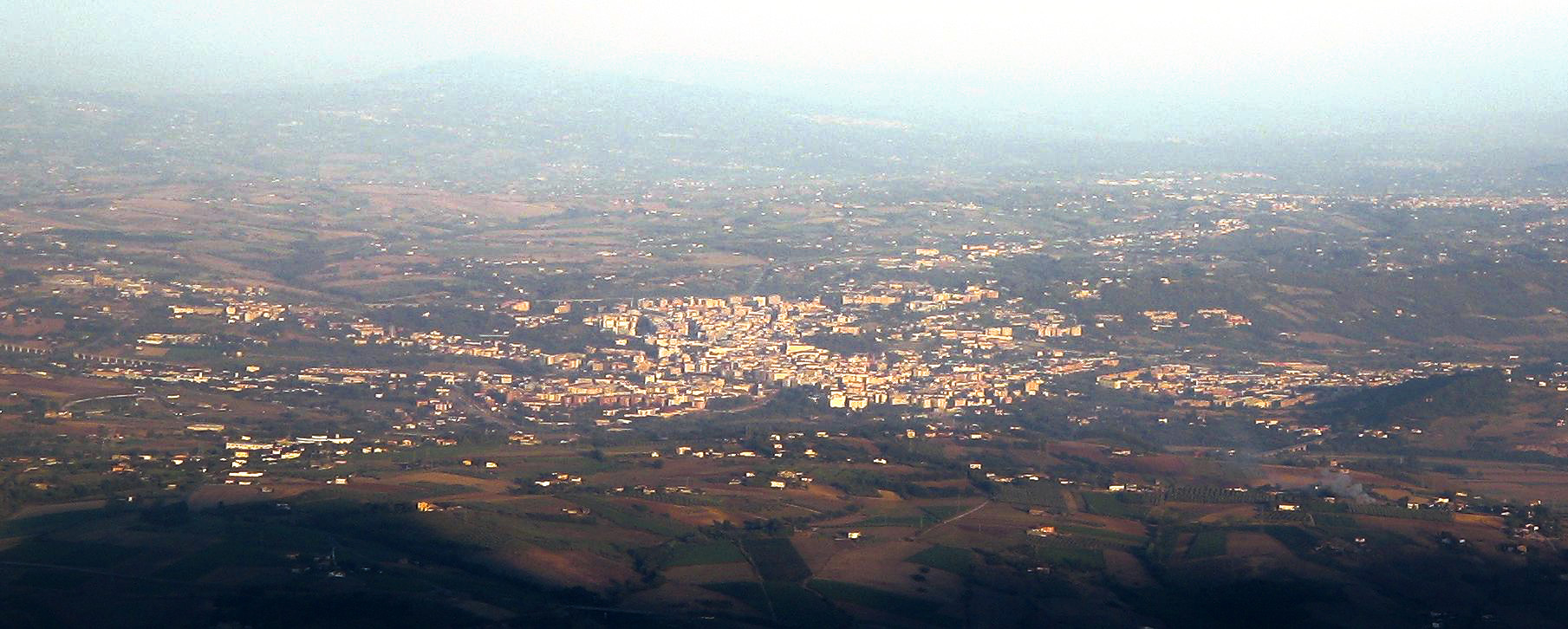
Top photo (Benevento): Dэя-Бøяg, CC BY-SA 3.0, via Wikimedia Commons.
Read also: Pietrelcina, the Places of Saint Pio