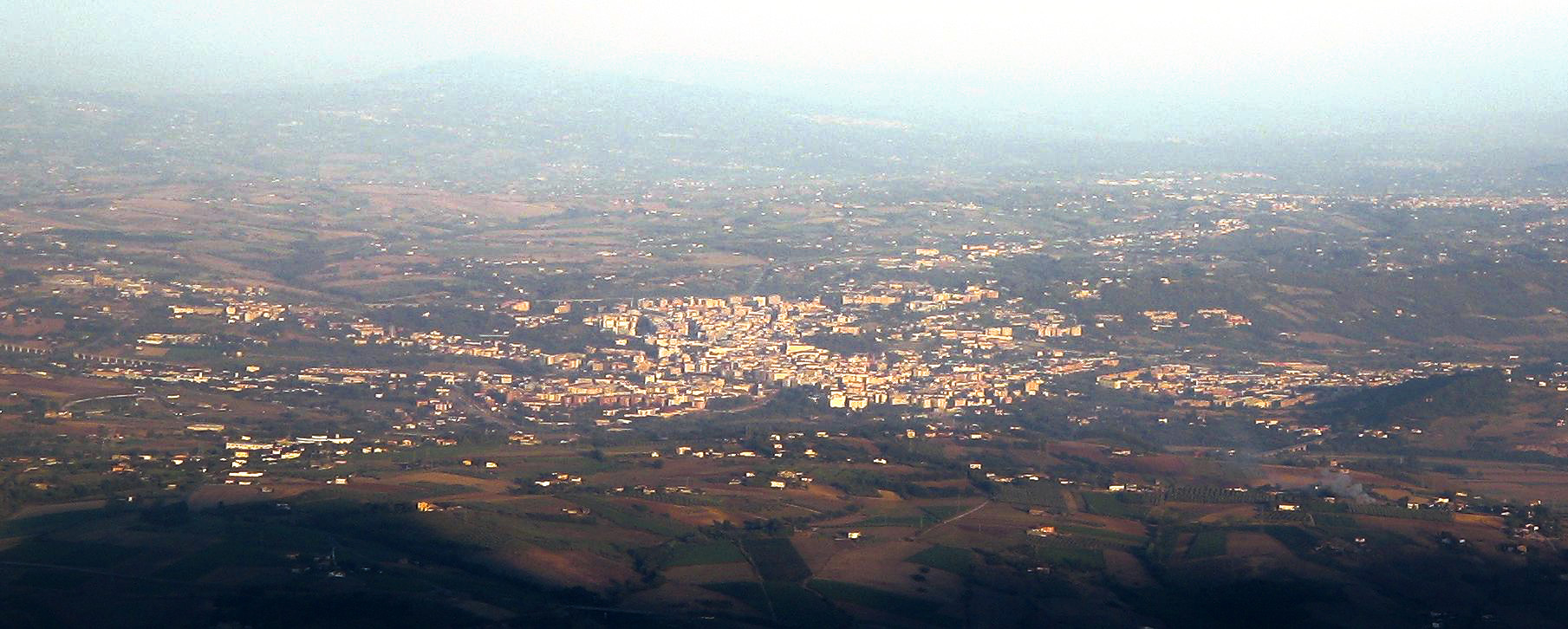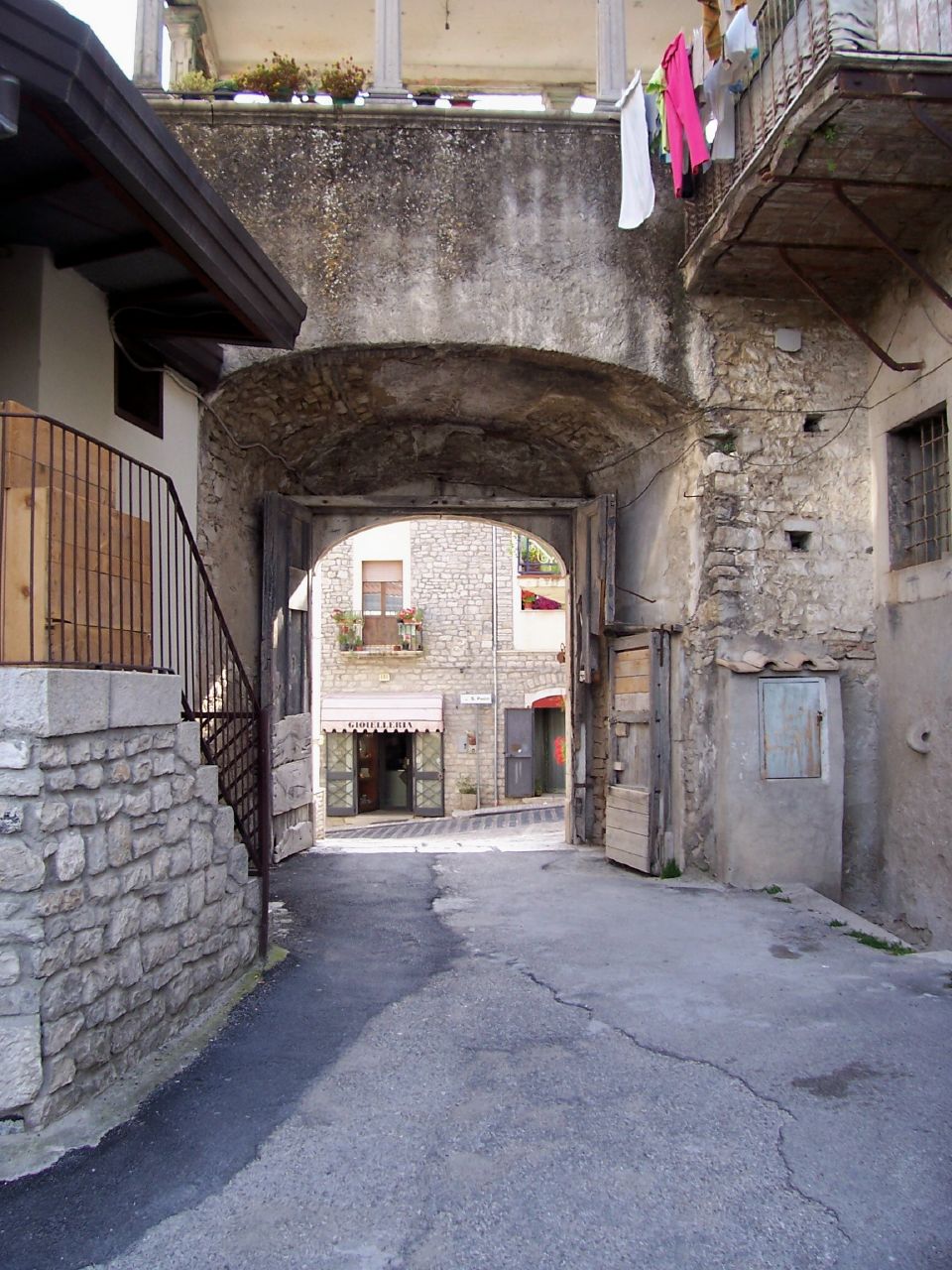
We arrived in Pietrelcina on a clear morning, climbing up through the hills of Sannio, and we were surprised by how compact and intimate the village is: stone houses, narrow lanes, glimpses of the countryside. This is where Padre Pio was born and grew up, and walking through the village you realise how much these places shaped his life. Here is the route we recommend you follow, even if you are not a pilgrim.
Who was Francesco Forgione
Francesco Forgione was born in Pietrelcina on 25 May 1887, into a farming family. He entered the Capuchin novitiate in 1903, taking the name Fra Pio, and was ordained a priest on 10 August 1910 in the Cathedral of Benevento. In the years that followed, partly for health reasons, he spent long periods in his home village, until he left for San Giovanni Rotondo, in Apulia, in 1916.
He lived there until his death on 23 September 1968. He was beatified in 1999 and canonised by Pope John Paul II on 16 June 2002. Pietrelcina, however, preserves the places of his childhood and youth, and it is precisely this everyday dimension that makes the visit so special.
The birthplace and the old town
The starting point is the birthplace, in Vico Storto Valle, in the oldest part of the village. It is not a single house but a few small rooms opening onto the same little street: stepping inside gives you a very concrete idea of how a farming family lived at the end of the 19th century.
Not far away is also the house of his brother Michele, where the young priest lived between 1912 and 1916. We suggest you stroll these lanes slowly: they are narrow and steep, and they keep an atmosphere that felt authentic to us, far from mass tourism.
The churches of Sant’Anna and Santa Maria degli Angeli
In the church of Sant’Anna, dating from the 13th century and rebuilt after the earthquake of 1688, Francesco was baptised on 26 May 1887, the day after his birth, and it was here that he was also confirmed.
The church of Santa Maria degli Angeli, on the other hand, is linked to the years of his ministry in the village: here he celebrated his first Mass on 14 August 1910, a few days after his ordination, and here he carried out his pastoral work between 1910 and 1916. As we walked in, we were moved to think that this young priest would one day become one of the best-loved saints of the 20th century.
Piana Romana, the countryside of prayer
Outside the centre, among the fields that belonged to his family, lies Piana Romana. This was where the young Pio loved to withdraw in prayer, in the shade of an elm tree. According to tradition and his own accounts, it was here, on 7 September 1910, that the first signs of the stigmata appeared, which he himself described as a painful redness on the palms of his hands.
In 1958 a chapel was built here, a place of pilgrimage linked to the memory of the elm. The landscape is the open, rolling scenery of Sannio: we recommend stopping for a while to enjoy the silence, which is perhaps the most beautiful thing about this place.
The Capuchin friary and the church of the Holy Family
The route is completed by the Capuchin friary, finished in 1928, and the church of the Holy Family (Sacra Famiglia). Inside the friary there is a small museum with objects that belonged to the saint, which helps piece together his daily life.
How to get there and when to go
Pietrelcina is a short distance from Benevento, from where it can be reached by car in a short time through the Sannio countryside; the provincial capital is served by rail and by the A16 motorway. In the village it is best to leave the car and walk between the old town and the churches, while Piana Romana requires a short drive.
The village can be visited all year round. On the days of the anniversaries linked to the saint, such as his liturgical feast on 23 September, the village is more likely to be crowded with pilgrims: if you prefer peace and quiet, choose a weekday. For access to the birthplace and the museum, check opening hours and tickets on the official website before setting off. You will find more ideas for the province in our guide Benevento and surroundings.
In the surroundings
From Pietrelcina it is easy to return to Benevento, where we recommend you don’t miss Santa Sofia and the Museo del Sannio and the Arch of Trajan. If you are interested in the region’s places of faith, also read Religious tourism in Campania: sanctuaries and pilgrimage routes. And before you leave, a taste of the area’s typical sweets: we tell you all about the torrone of San Marco dei Cavoti.
Top photo (Pietrelcina): Phil Tizzani, CC BY-SA 2.0, via Wikimedia Commons.
Read also: The Roman Theatre of Benevento