We arrived in Velia on a sunny morning, among olive trees and stone walls, with the Cilento sea appearing at every bend of the path. In the territory of Ascea lie the remains of ancient Elea, the city of the philosophers. Here is what to see and how to plan your visit.
Elea, the city of the Phocaeans
The city was founded around 540 BC by Greek exiles from Phocaea, in Ionia, on the coast of present-day Turkey, fleeing pressure from the Persians. Its first name, Hyele, came from a local spring; it then became Elea and finally, in Roman times, Velia. In 88 BC the city became a Roman municipium, while keeping the right to use the Greek language and to mint its own coins.
The home of Parmenides and Zeno
Elea is famous above all for the Eleatic school, one of the great schools of Greek philosophy, which flourished in the 5th century BC. This is where Parmenides lived, together with his pupil Zeno, the one behind the famous paradoxes of Achilles and the tortoise. Walking the streets where these thinkers once reasoned left quite an impression on us: it is one of those places where the history of ideas becomes almost tangible.
Porta Rosa, the symbol of Velia
The most famous monument is the Porta Rosa, brought to light by the archaeologist Mario Napoli in 1964. Napoli dated it to the 4th century BC, although its dating is still debated among scholars. It is built with a round arch and is considered one of the oldest examples of this type of arch in Italy.
Despite its name, it was not a real gate: with no hinges or threshold, it worked as a viaduct, linking the two parts of the hill above a road that ran beneath the arch. Reaching it after the climb along the ancient paved road is one of the best moments of the visit.
From the lower town to the acropolis
The route starts in the lower area, with the Porta Marina Sud (South Sea Gate) and its tower, the southern quarter and the Hellenistic and Roman baths: the Hadrianic Baths of the 2nd century AD have a frigidarium with a black-and-white mosaic decorated with sea creatures.
Climbing up you reach the acropolis, with the remains of the theatre, a temple and the medieval Angevin tower, clearly visible even from afar. From up here the view of the coast, from Punta Licosa towards Palinuro, makes up for all the effort. The acropolis’s two small medieval churches now house archaeological finds.
New discoveries and new theories
Velia is still a living site for research. On the acropolis an archaic temple of Athena has been uncovered, dated to 540–530 BC, the very years of the city’s founding. The Porta Rosa also continues to spark debate: since 2019 research by the archaeoastronomer Nicola Giuliano has suggested that its orientation allowed observation of the solstices. Finally, in the lower town you can see a Hellenistic bath complex fed by the Hyele spring, the one that gave the city its first name.
Getting there and when to go
The park lies in the municipality of Ascea, within the Cilento National Park, and is managed together with Paestum by the Archaeological Park of Paestum and Velia; since 1998 it has been part of the Cilento UNESCO World Heritage Site. By train you arrive at Ascea station, about 3 kilometres away; by car, leave the motorway at Battipaglia and continue towards the Cilento coast in the direction of Ascea Marina. Allow at least two hours for the full tour, and wear comfortable shoes: the ground is uphill and partly unpaved. There is little shade, so in summer go early in the morning and bring water and a hat; spring and autumn are the ideal seasons. Check opening hours and tickets on the official website before you set off.
Nearby
After Velia, don’t miss Paestum and its temples, the park’s other great archaeological area. Along the coast you can continue to Palinuro and the Natural Arch and enjoy the most beautiful beaches in the province of Salerno. To plan your trip, read Cilento: what to do and what to see and our guide Salerno and its surroundings.
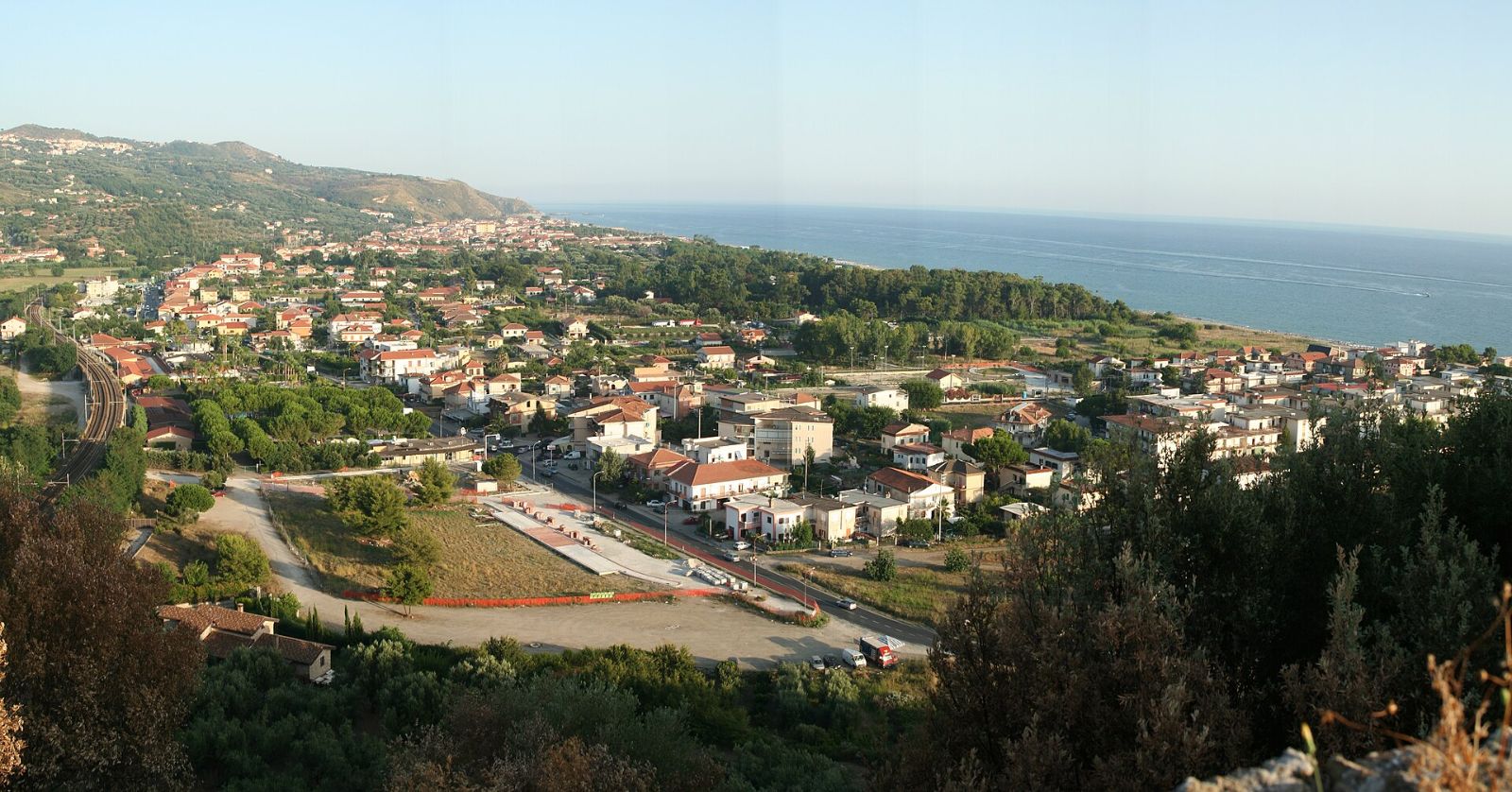
Top photo (Ascea): Heinz-Josef Lücking, CC BY-SA 3.0 de, via Wikimedia Commons.
Read also: Villa Rufolo and Villa Cimbrone