We drove up to Laceno on an autumn morning, and the first thing that struck us was the silence: a large green plain, beech trees all around and mountains closing off the horizon. It feels like being much further north, yet we are in the heart of Irpinia. Here is what you should know before going.
The Laceno plateau
Laceno is a plateau at an altitude of about 1,050 metres in the municipality of Bagnoli Irpino, of which it is the only hamlet. It is one of the best-known mountain destinations in the province, and you will find it among the stops in our guide Avellino and its surroundings.
The plateau is surrounded by some of the highest peaks of the Picentini Mountains: Monte Cervialto, which at 1,809 metres is the highest in the group, Monte Rajamagra, Monte Cervarolo and Montagna Grande. The whole area lies within the Monti Picentini Regional Park, and it shows: beech and conifer woods, open meadows and trails setting off from practically every side of the plain.
The lake that changes with the seasons
Lake Laceno is fed mainly by the Tronola stream, and its appearance changes a lot through the year: after the rains and the snowmelt it spreads out, while in summer it shrinks. Over recent decades it has noticeably decreased in size; among the causes mentioned are the fractures that opened in its bed after the 1980 earthquake and periods of severe drought.
Our advice is not to arrive expecting an Alpine lake that is always full: the charm of Laceno lies precisely in the landscape as a whole, with the water, the meadow around it and the mountains reflected in it when the surface is calm. The walk around the lake is easy and suitable for families with children too.
The Caliendo Caves
On the edge of the plateau open the Grotte del Caliendo, karst caves carved by water into the limestone of the Picentini. They are one of the natural curiosities of the area, and for years work has been under way to make them more accessible to visitors. Visiting arrangements may change, so we suggest checking with the Municipality of Bagnoli Irpino before planning the excursion.
Snow, trails and woods
For decades Laceno has been linked to winter sports. The resort was inaugurated in the late 1950s and the first ski lift arrived in 1969, followed by chairlifts. For a long time it was one of the leading ski resorts in southern Italy, but the lifts have also gone through long periods of closure: if you plan to go skiing, check the state of the slopes and lifts before you set off.
Outside the ski season the plateau becomes a paradise for walkers. From the meadows of Laceno, trails lead up to the peaks of the Picentini and into the surrounding beech woods. In autumn the woods turn yellow and red, and this is also when Bagnoli celebrates its most famous products, black truffles and chestnuts.
Bagnoli Irpino, the village below the plateau
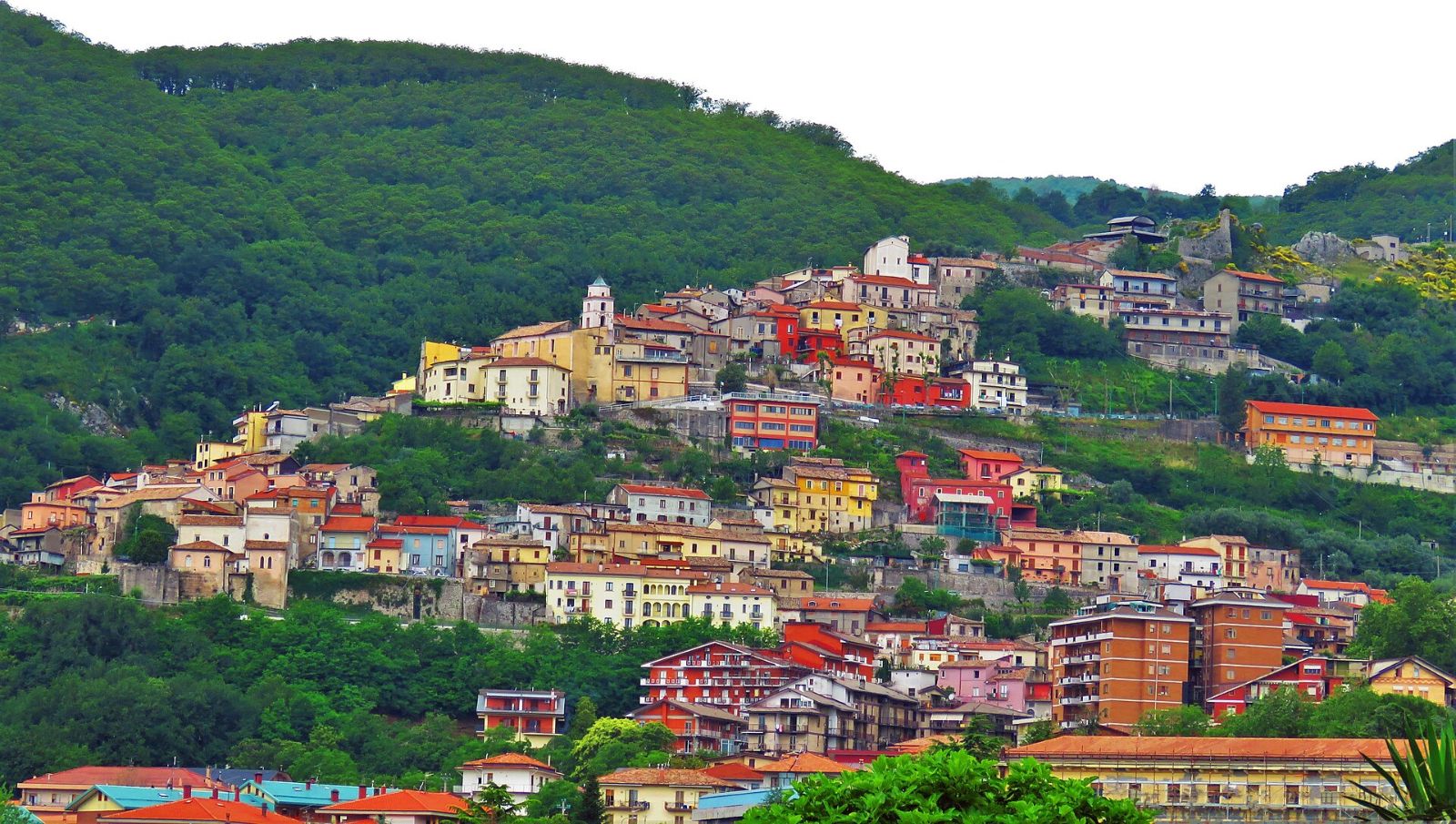
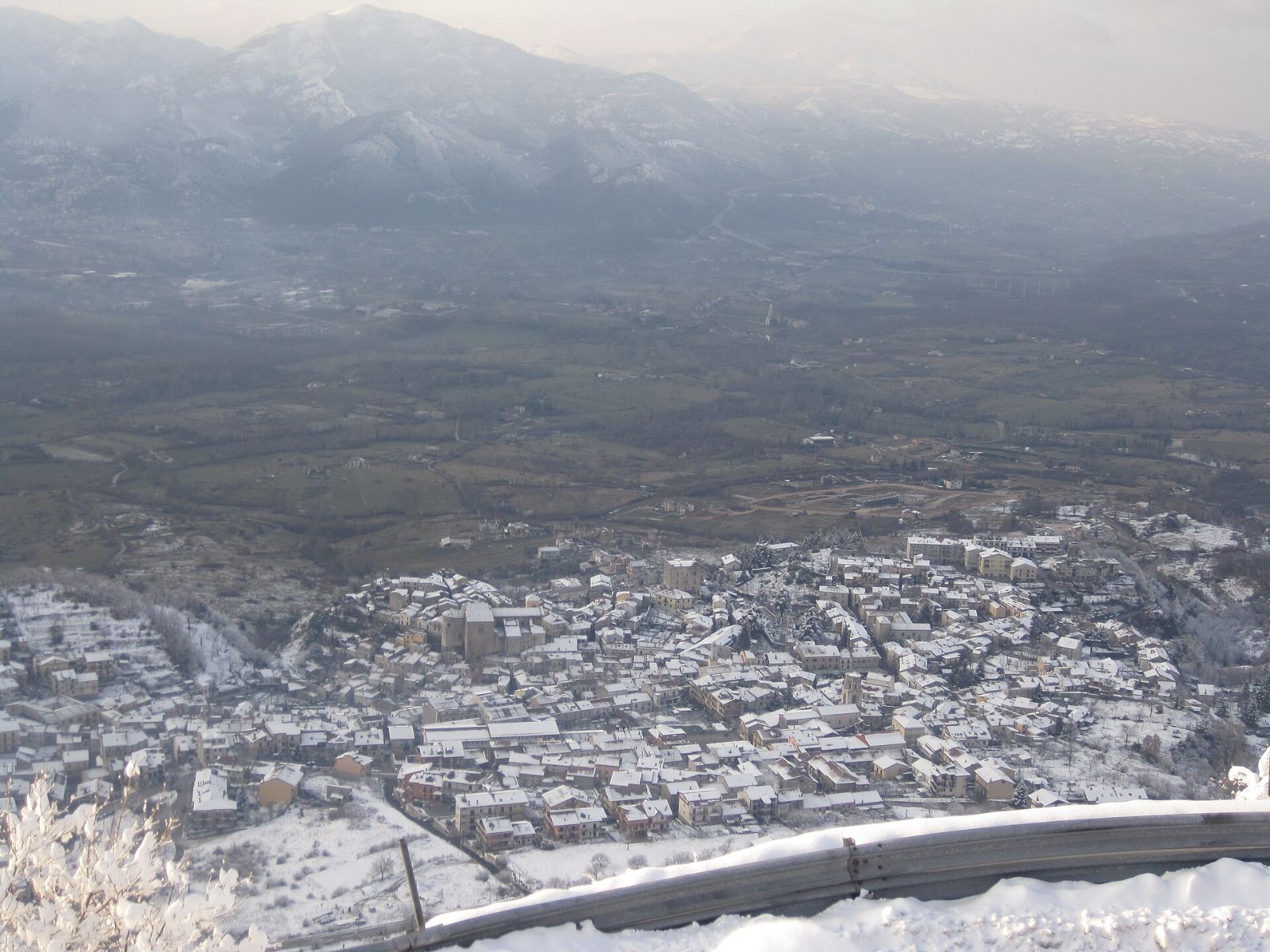
On the way down from Laceno we recommend a stop in Bagnoli Irpino, the village the plateau belongs to. Its compact stone-built historic centre is the right place for a stroll after your hike and to taste the mountain cooking of this part of Irpinia. Here the signature product is the truffle, which we tell you about in The black truffle of Bagnoli Irpino.
How to get there and when to go
By car from Avellino, take the Ofantina state road towards Montella, then follow the signs for Bagnoli Irpino and Laceno. The last stretch climbs through the woods: in winter, check road conditions and carry snow chains or suitable tyres.
- Between May and October is the ideal time for hikes and picnics.
- Autumn brings the most beautiful colours to the beech woods.
- In winter, with snow, the landscape changes completely: check the state of the lifts first.
- Even in summer it gets cool up here in the evening: always bring a sweatshirt and hiking shoes.
In the surroundings
Laceno combines well with other stops in mountainous Irpinia:
- A few kilometres away, Montella and its chestnut groves: The Montella PGI chestnut.
- Bagnoli’s signature product: The black truffle of Bagnoli Irpino.
- Another body of water in Irpinia, for nature and birdwatching: The WWF Oasis of Lake Conza.
- For those looking for hilltop villages, such as Nusco: The most beautiful villages of Irpinia: Zungoli, Monteverde, Nusco.
- To broaden your view to the region’s other mountains: Mountain tourism in Campania: peaks, trails and snow.
Top photo (Bagnoli Irpino): Lukewill, CC BY-SA 3.0, via Wikimedia Commons.
Read also: The Sanctuary of Montevergine