We arrived at the Castelcivita Caves on a hot morning, and after just a few steps inside the mountain we found ourselves in another climate and another time. Here beneath the Alburni, the rock has taken on shapes that look like castles, pagodas and even vegetables. We tell you what to see and how to plan your visit.
Where they are
The caves open in the municipality of Castelcivita, on the right bank of the Calore river, a short distance from Ponte Paestum, at the foot of the south-western slopes of the Alburni Mountains. We are at the gateway to the Cilento, Vallo di Diano and Alburni National Park, in an area where water has been carving the limestone for thousands of years.
The complex extends for about 4,800 metres and is one of the largest karst systems in southern Italy. Part of these tunnels has been fitted out for tourist visits, while the rest is reserved for cavers. Over time the caves have also been called the Caves of Spartacus or the Devil’s Caves.
A dramatic discovery
The history of modern exploration begins with an episode that struck us deeply. On 7 February 1889 two brothers, Giovanni and Francesco Ferrara, aged 14 and 16, entered the cave and after about 300 metres were trapped for six days, in an area full of guano and carbon dioxide. Giovanni was brought out alive; Francesco died while being carried out.
In the 1920s and 1930s the tunnels were systematically surveyed by cavers. Alongside history there is also legend: it is said that Spartacus, after his defeat by the Romans, hid right here. There is no proof, but the name has stuck.
Neanderthals at the entrance
The caves are not just a geological phenomenon. At the entrance, archaeologists found traces of Neanderthal man, with stone tools and animal remains indicating that the site was frequented around 40,000 years ago. The excavations, led by Paolo Gambassini between 1975 and 1988, resumed in 2016. Thinking that here, where the visit begins today, groups of prehistoric hunters once lived made us look at that entrance with different eyes.
The halls we recommend taking your time over
The tourist route takes about an hour and is suitable for children too. You walk on walkways through tunnels, narrow passages and large chambers. Here are the stops that stayed with us:
- the Sala del Guano (Guano Hall), which until the 1960s was the refuge of thousands of bats;
- the Sala del Castello (Castle Hall), where the stalagmites recall the towers and walls of a medieval fortress;
- the Sala degli Ortaggi (Vegetable Hall), with formations that popular imagination has compared to vegetables;
- the Pagoda, perhaps the most famous formation in the cave.
Besides the classic tour there are more demanding experiences: a visit in the dark with helmet and torch, an amateur caving itinerary lasting a few hours, and the GeoEsperienza, which takes you into a northern sector previously closed to the public. Visits are always guided and some are seasonal: check times and tickets on the official website before you set off.
How to get there and when to go
You get there by car: from the Paestum area, head up the Calore valley towards Ponte Paestum, where signs lead to the entrance. The caves can be visited all year round, but in the winter months opening is by reservation only, so it is best to phone ahead. Inside, the temperature is cool and constant: bring a sweatshirt, long trousers and shoes with good grip, because the ground can be damp.
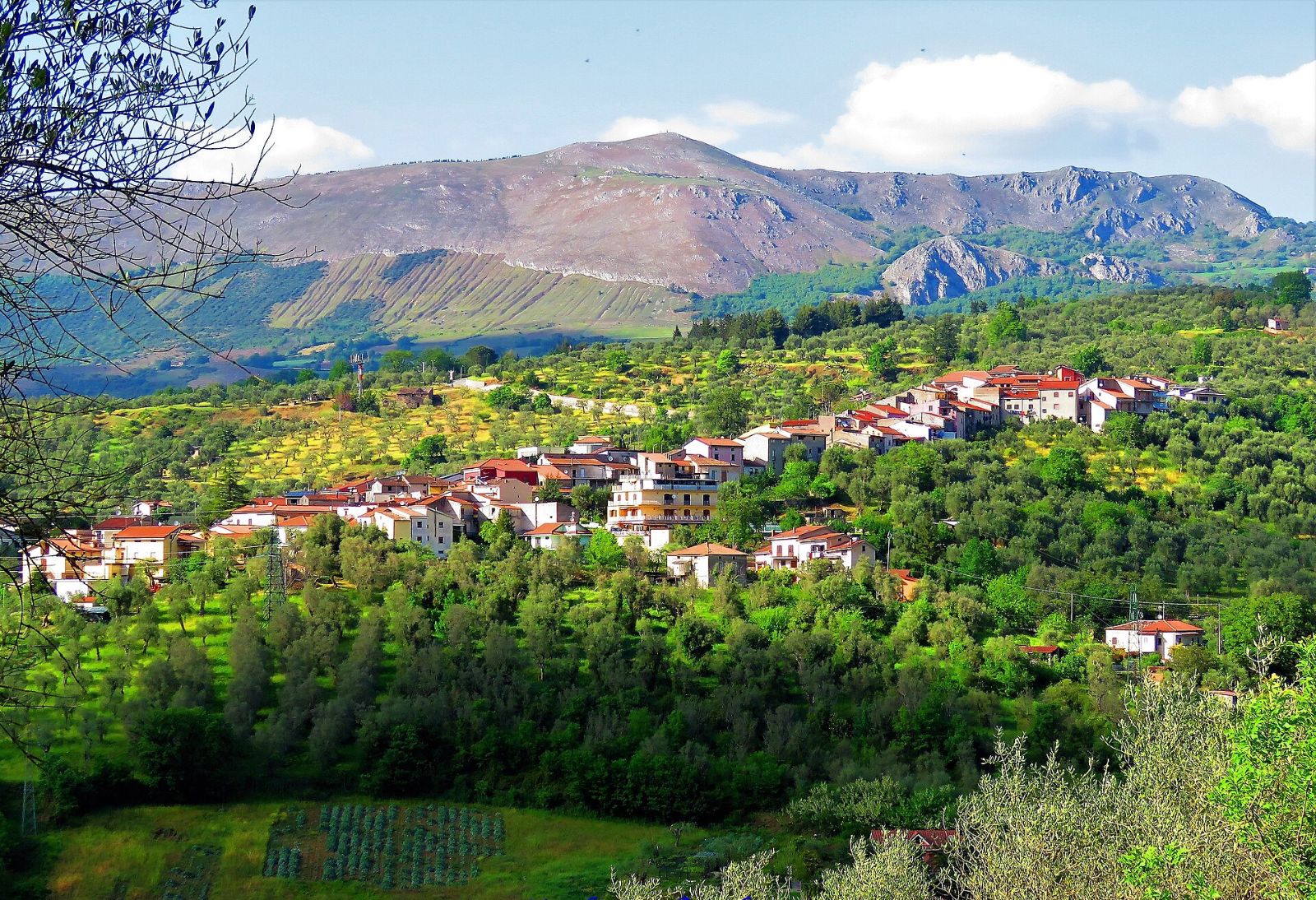
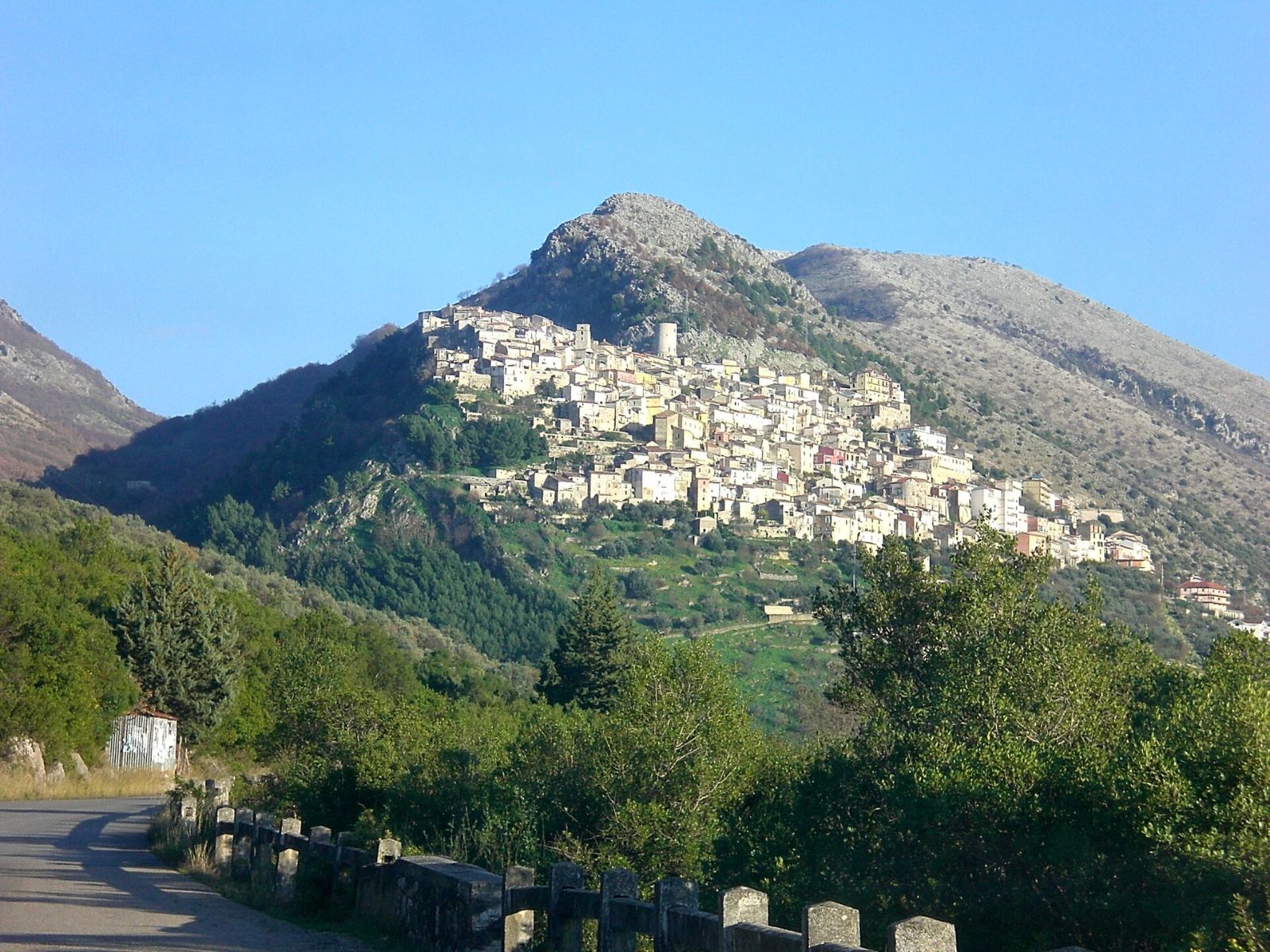
We recommend combining the cave with a walk through the village of Castelcivita, which sits higher up, and a stop in nearby Controne, known for its beans.
In the surroundings
If you like the underground world, on the other side of the Alburni The Pertosa-Auletta Caves await you, with a river to cross by boat. Heading up the Calore you reach the wild nature of The Calore Gorges, while heading down towards the sea you are at Paestum and its temples in half an hour. For everything else, start from our guide Cilento: what to do and what to see.
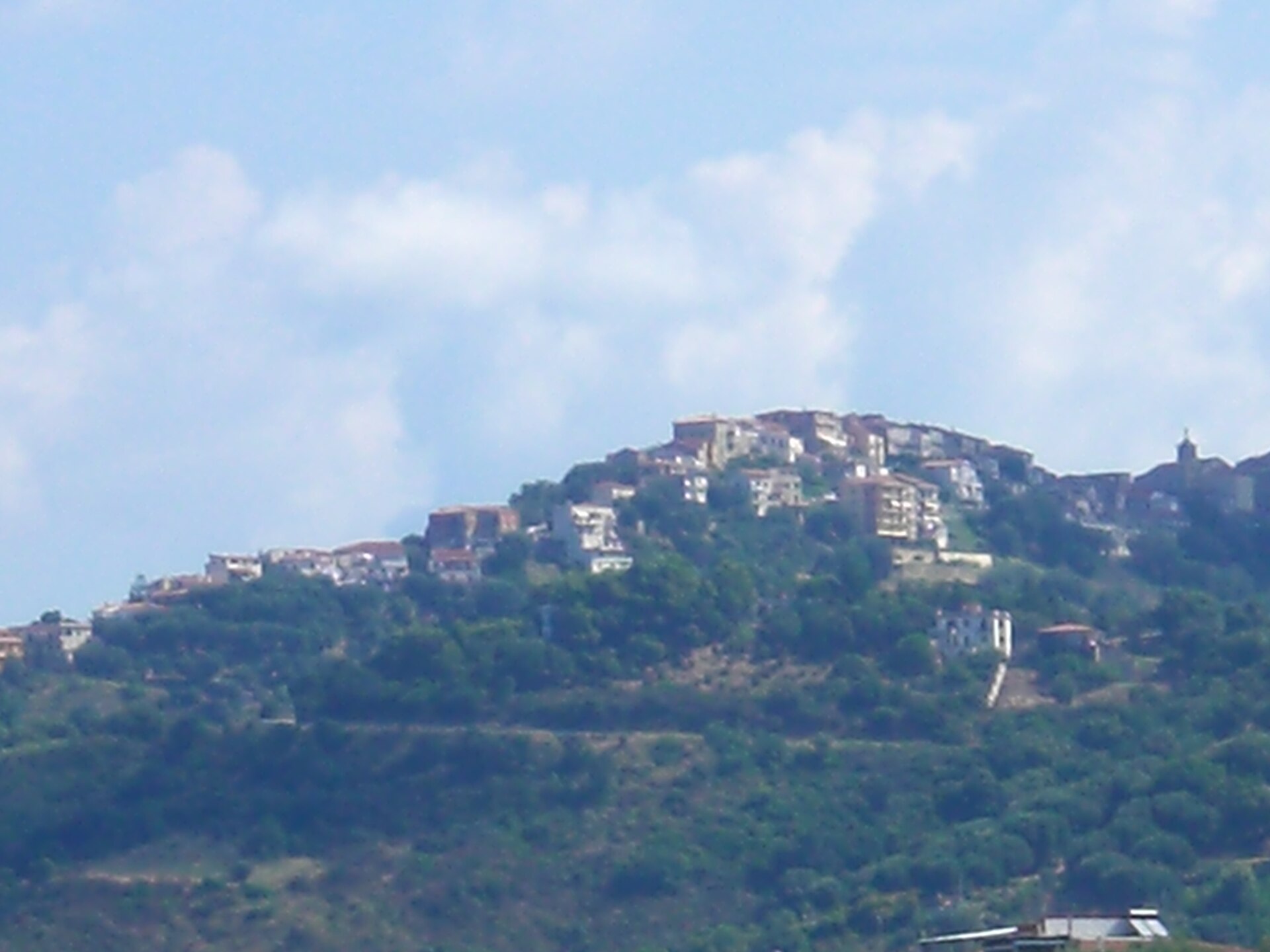
Top photo (Castelcivita): Liberotag73, CC BY-SA 3.0, via Wikimedia Commons.
Read also: The Fjord of Furore