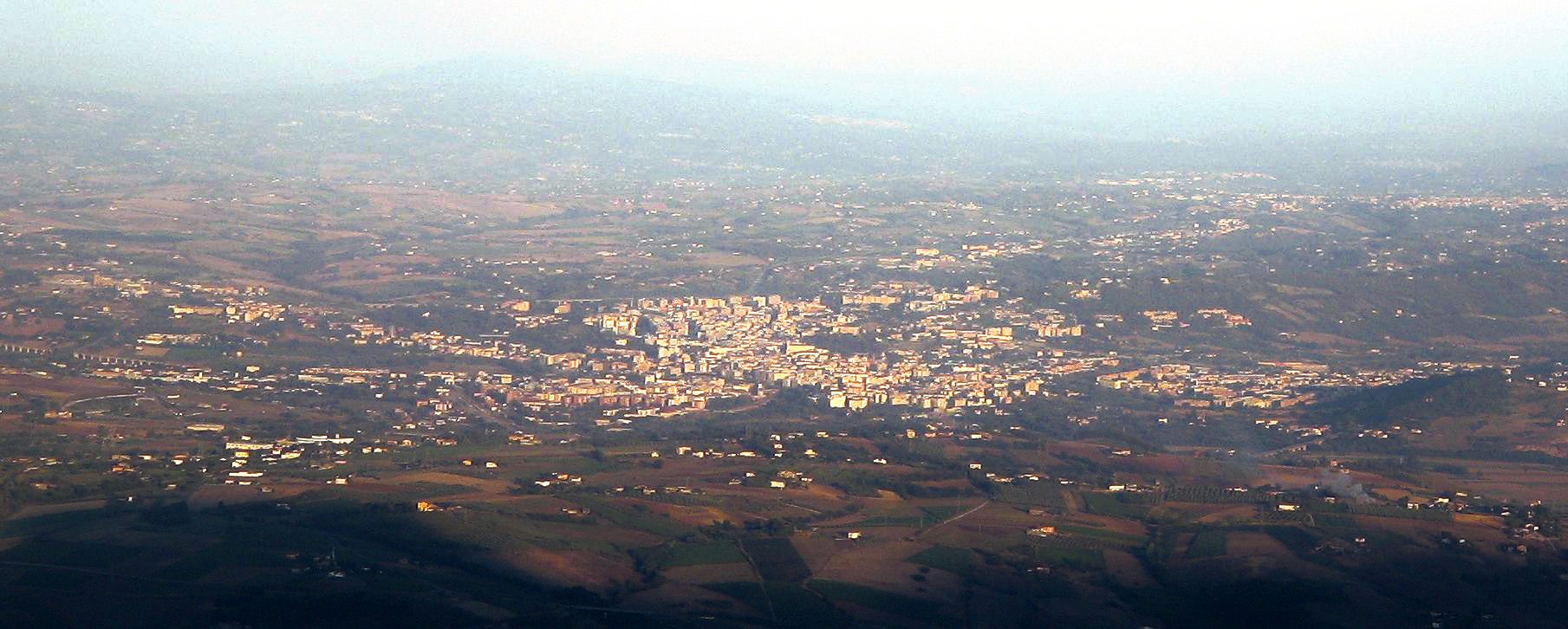
When we were asked to choose just three places in Benevento we were a bit stumped: the city is full of Samnite, Roman, Lombard and papal traces. In the end we chose the three that, in our view, best tell the story of those who lived here, and which we recommend you don't miss for any reason, even if you only have a few hours.
Why these three
We looked for a thread that would tie the city's history together. The Arch of Trajan represents Roman Benevento at the height of its splendour, the Church of Santa Sofia is the heart of the Lombard capital, and the Roman Theatre is where the city still gathers for shows today. They are close to each other and can be visited on foot in a single, unhurried day.
If you have time left, you will find the other monuments described in What to see in Benevento, while we have gathered museums and churches in What to visit in Benevento.
The Arch of Trajan, the city's golden gate
The first time we stood in front of it, what struck us most was how well preserved it is. The arch was built between AD 114 and 117 in honour of Emperor Trajan, to celebrate the opening of the Via Traiana, the variant of the Via Appia that shortened the journey between Rome and Brindisi. It is about 15.60 metres high and built of limestone faced with Parian marble.
It is worth walking slowly around it: the reliefs on the side facing the city depict scenes of peace and the emperor's works for the citizens, while those on the outer side speak of war and the provinces. In the Middle Ages the arch was incorporated into the walls and became a city gate, called Porta Aurea. The name lives on in the nearby Lombard church of Sant'Ilario a Port'Aurea, which today houses a multimedia exhibition devoted to the arch itself. You will find all the details in The Arch of Trajan.
Santa Sofia, the Lombard church and UNESCO site
The second place is the one that stayed closest to our hearts. The Church of Santa Sofia was commissioned by Duke Arechis II and probably completed around 760. As soon as you enter, you realise it is no ordinary church: six columns arranged at the corners of a hexagon support the dome, surrounded by a ring of pillars and columns that creates a constant play of perspectives. We found ourselves moving around several times, just to see how the views shifted.
The earthquake of 1688 severely damaged it, and in the early eighteenth century it was rebuilt in Baroque style; the 1957 restoration then brought the original plan back to light. On the walls there are still fragments of 8th–9th-century frescoes with scenes from the life of Christ. Since 2011 the church has been part of the UNESCO site "The Longobards in Italy. Places of Power". Next to it is the cloister that houses the Museo del Sannio, which we tell you about in Santa Sofia and the Museo del Sannio.
The Roman Theatre in the Triggio quarter
The third place is the Roman Theatre, in the south-western part of the city, surrounded by the houses of the medieval Rione Triggio. According to studies it was inaugurated between AD 125 and 128, under Emperor Hadrian, and restored in the Severan age, as recalled by a dedication to Caracalla. The cavea has a diameter of about 98 metres.
For centuries the theatre lay hidden beneath houses: its rediscovery began in 1890 thanks to the architect Almerico Meomartini, and it reopened to the public in 1957. Sitting on the steps and looking at the stage gave us a sense of how important Roman Benevento was. In summer the theatre comes back to life with shows and concerts: if you are there at that time, check the programme. We go into more depth in The Roman Theatre of Benevento.
How to get there and when to go
Benevento can be reached by train on the line connecting it to Naples and Caserta, while by car you arrive via the motorway link road connecting the city to the A16. The three places are in the historic centre, within walking distance of the Corso Garibaldi area. We recommend spring and early autumn, when walking is pleasant; summer is ideal if you want to see a show at the Roman Theatre. Check opening times and tickets on the official website before you set off.
In the surroundings
If you have an extra day, we suggest reading our guide Benevento and its surroundings to discover the province. Among our favourite trips are Pietrelcina, a few kilometres from the city, described in Pietrelcina, the places of Saint Pio, and the village of Sant'Agata de' Goti. And to make the most of your time, take a look at A weekend in Benevento.
Top photo (Benevento): Dэя-Бøяg, CC BY-SA 3.0, via Wikimedia Commons.