Everyone knows the Neapolitan sfogliatella, but few know that its ancestor was born in a monastery overlooking the sea on the Amalfi Coast, in Conca dei Marini. We went looking for the origins of the Santa Rosa sfogliatella, and here we tell you about them, along with a few tips on enjoying it.
A pastry born in a convent
The story begins in the 17th century in the monastery of Santa Rosa, named after St Rose of Lima and perched on the cliffs of Conca dei Marini. According to tradition, a nun who worked in the kitchen decided not to waste some semolina cooked in milk: she enriched it with dried fruit, sugar and lemon liqueur and wrapped it in a pastry casing.
The pastry took the name of the saint to whom the monastery was dedicated, and for about a century and a half the recipe remained a secret kept by the nuns.
From Conca dei Marini to Naples
The turning point came at the beginning of the 19th century, when the Neapolitan pastry chef Pasquale Pintauro got hold of the recipe. From 1818 he began selling sfogliatelle in his shop in Naples, changing them along the way: he left out the custard and the sour cherries and perfected the version that is most famous today, the sfogliatella riccia, crisp and with its typical triangular shape. Alongside it came the sfogliatella frolla, round and soft, with the same filling.
The Santa Rosa, however, never disappeared: on the Amalfi Coast it has remained a symbol of traditional pastry-making.
What it is like today
The Santa Rosa sfogliatella has a crisp layered pastry shell, similar to that of the riccia, and a filling made with semolina, ricotta and candied fruit. What sets it apart is the topping: a swirl of custard and a few sour cherries in syrup. The result is a richer and more eye-catching pastry than its Neapolitan cousin.
We recommend eating it warm, fresh from the oven, when the pastry crunches between your teeth and the custard is still soft. With a coffee, it is the perfect breakfast before a day on the Amalfi Coast.
The monastery today
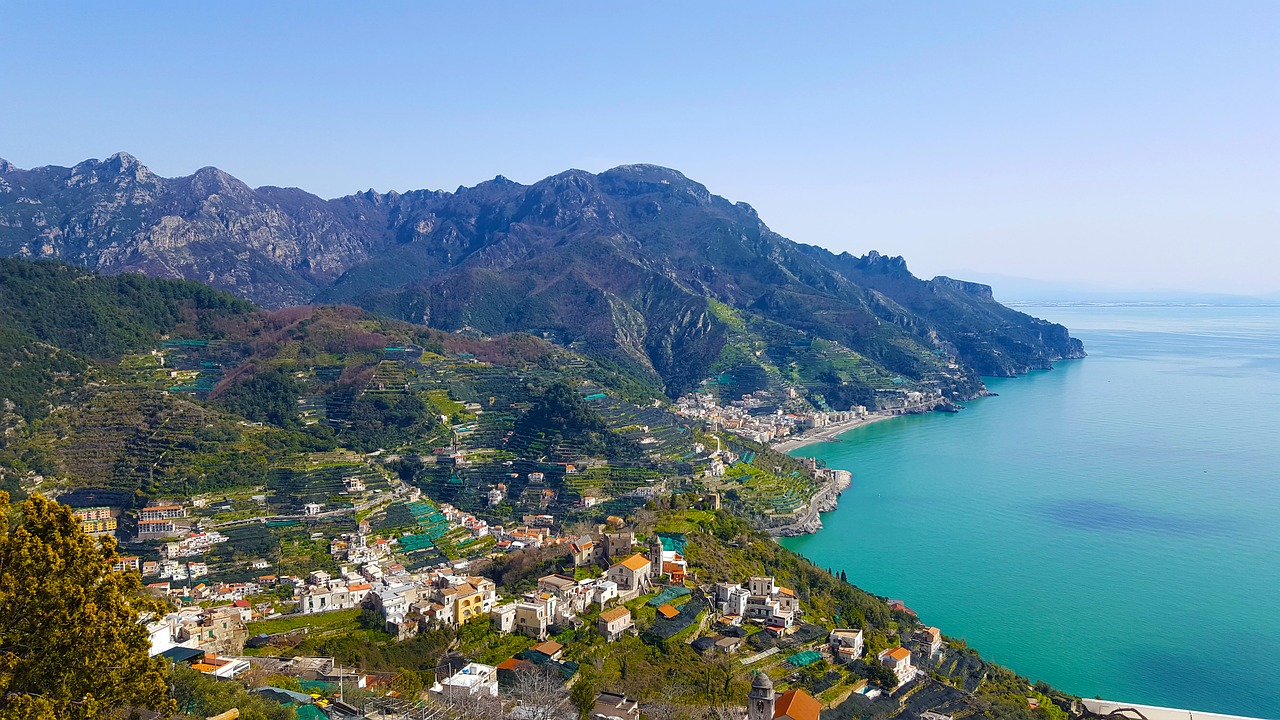
The old monastery of Santa Rosa still dominates Conca dei Marini from above, its bulk overlooking the Gulf of Salerno: even just seeing it from the road is worth a stop. The village, nestled between the mountains and the sea, is one of the quietest on the coast.
Nearby
Conca dei Marini is the ideal base for exploring the Amalfi Coast: for the full picture, start from our guide Salerno and its surroundings. Just nearby is the Fjord of Furore, while a little further on Amalfi: what to do and see awaits, along with the Costa d'Amalfi PGI lemon, the key ingredient in many of the area's desserts. If you want to walk off the sfogliatella, try the Path of the Gods.
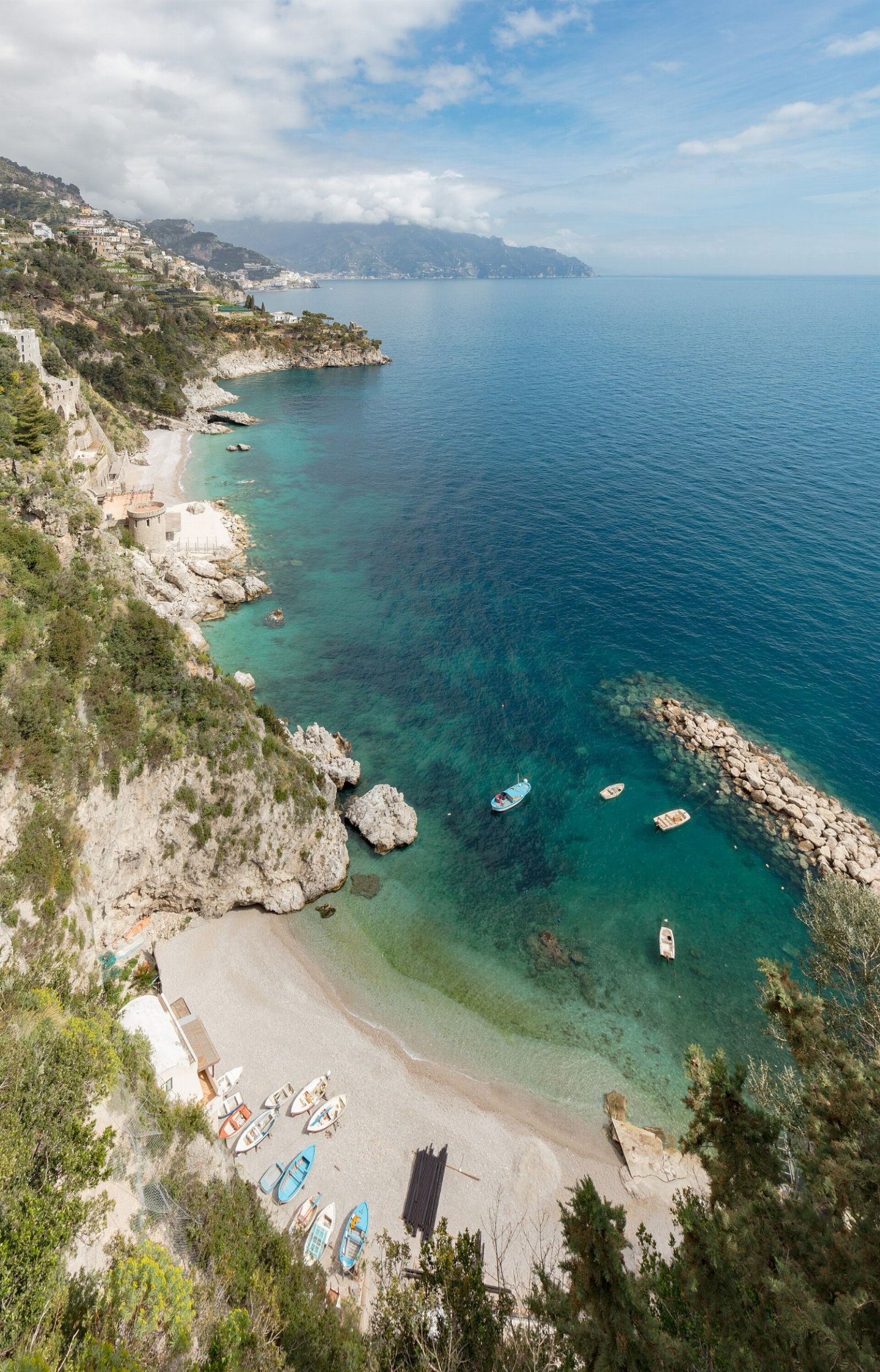
Top photo (Conca dei Marini): Diego Delso, CC BY-SA 4.0, via Wikimedia Commons.