With three days available, Salerno becomes the perfect base for discovering what lies around it too. This is how we organised our trip: a full day in the city, one on the Amalfi Coast and one among the Greek temples of Paestum. Here is our programme, stop by stop.
Day 1: the best of Salerno in a day
The morning is for the historic centre. Start from the Cathedral of San Matteo, consecrated in 1084, with its quadriporticus, bronze door and the crypt of the patron saint. Then walk along Via dei Mercanti and climb up to the Minerva Garden, the old garden of medicinal plants linked to the Scuola Medica Salernitana.
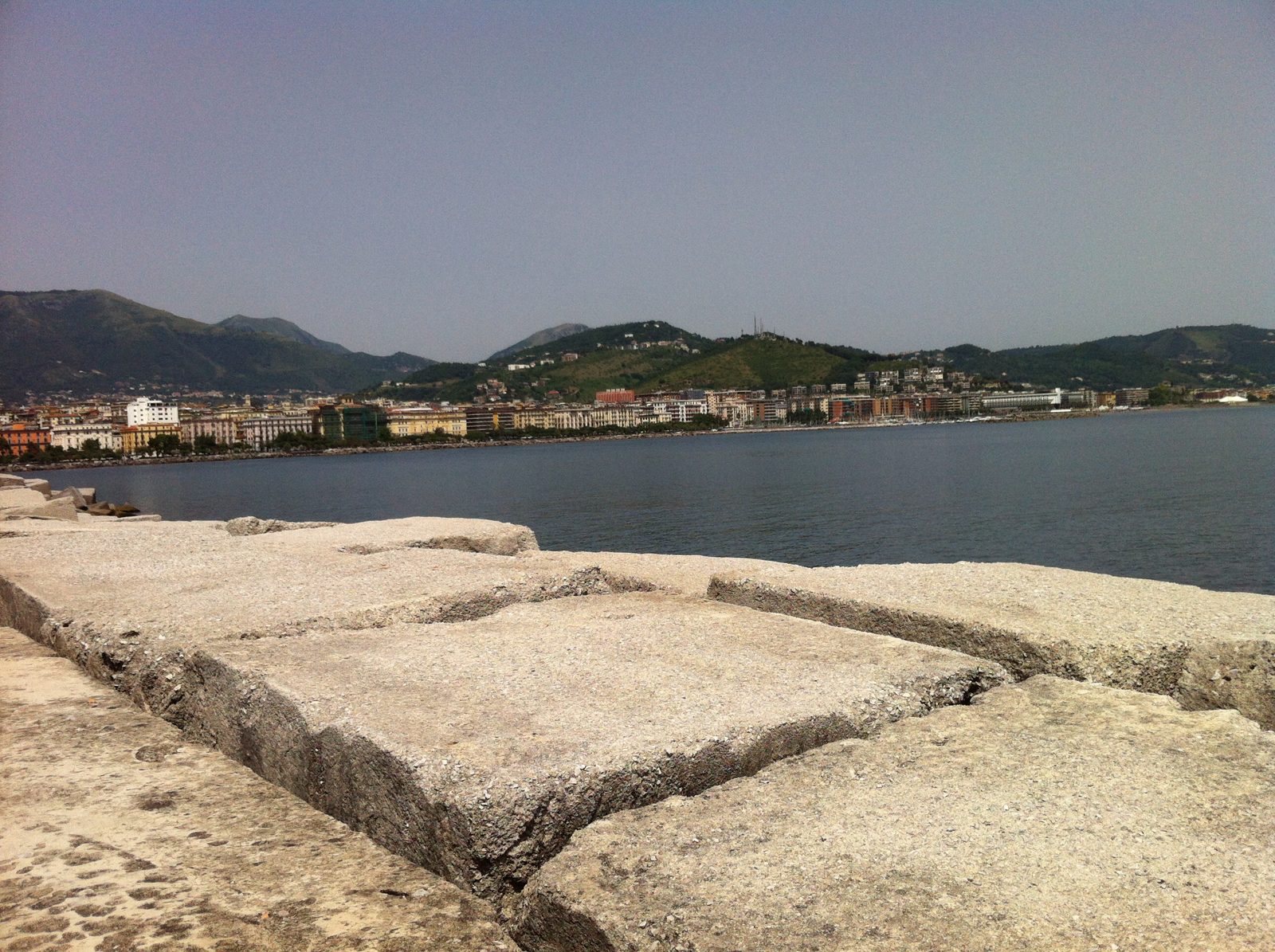
Along the way you will notice several noble palaces: one of them, Palazzo Pinto, houses the Pinacoteca Provinciale, handy if you want a cool break among the paintings. In the afternoon, go up to Arechi Castle for the view over the whole gulf and, at sunset, come down to the Lungomare Trieste. If you want to devote more time to the city, you will find a more relaxed programme in Visiting Salerno in 2 days.
Day 2, morning: Vietri sul Mare and its ceramics
On the second day you head for the Amalfi Coast. The first stop, a few minutes from the city, is Vietri sul Mare, the "first pearl" of the coast, world-famous for its ceramics. From afar you can already spot the majolica dome of the church of San Giovanni Battista, gleaming in the sun.
Strolling among the workshops you will see the typical colours, the intense yellow and the famous painted little donkey, symbol of the Vietri tradition. To learn more about this history, look out for our article on Vietri ceramics. We suggest taking the time to watch the craftsmen at work: it is the best part of the visit.
Day 2, afternoon: Amalfi and the Coast
Continue along the coast road, with its bends high above the sea: it is one of those routes where you want to stop at every viewpoint. Alternatively, in the warmer months you can arrive by sea from the port of Salerno, avoiding the traffic.
The destination is Amalfi, the ancient Maritime Republic, dominated by the staircase of the Cathedral of Sant'Andrea and by the Cloister of Paradise. For a complete visit, see Amalfi: what to do and what to see and Amalfi Cathedral and the Cloister of Paradise. If you have time left, go up to Ravello for its panoramic gardens.
Day 3: Paestum, ancient Poseidonia
The last day is devoted to ancient history. Head south to Capaccio Paestum, at the gateway to the Cilento. The city was founded by the Greeks around the middle of the 7th century BC under the name of Poseidonia and in 273 BC became a Roman colony named Paestum.
Three remarkably well-preserved Doric temples await you among the meadows: the Temple of Hera, the oldest, the great Temple of Neptune and the Temple of Athena. Around them still run the Greek walls, almost five kilometres long. In the museum, do not miss the Tomb of the Diver, one of the very few examples of Greek painting to have survived. The area has been a UNESCO World Heritage Site since 1998: the whole story is in Paestum and its temples.
In the afternoon, if it is summer, treat yourself to a swim on the nearby beaches, or take a drive through the countryside of the plain, land of buffaloes and mozzarella. For the flavours of the area read What to eat in Salerno.
How to get there and when to go
Salerno is connected by train on the Naples–Reggio Calabria line and by car on the A2 del Mediterraneo motorway. Vietri can be reached in a few minutes by car, bus or train; for Amalfi there are buses and, in the warmer months, sea connections; Paestum has a station on the line to the Cilento. If you can, avoid peak-summer weekends on the coast road. Check timetables and tickets on the official website before you set off.
In the surroundings
Our general guide is Salerno and its surroundings. If you still have time, choose among the destinations in 5 must-see places in the province of Salerno or push further south with The Cilento: what to do and what to see. For sea lovers, here are The most beautiful beaches in the province of Salerno.