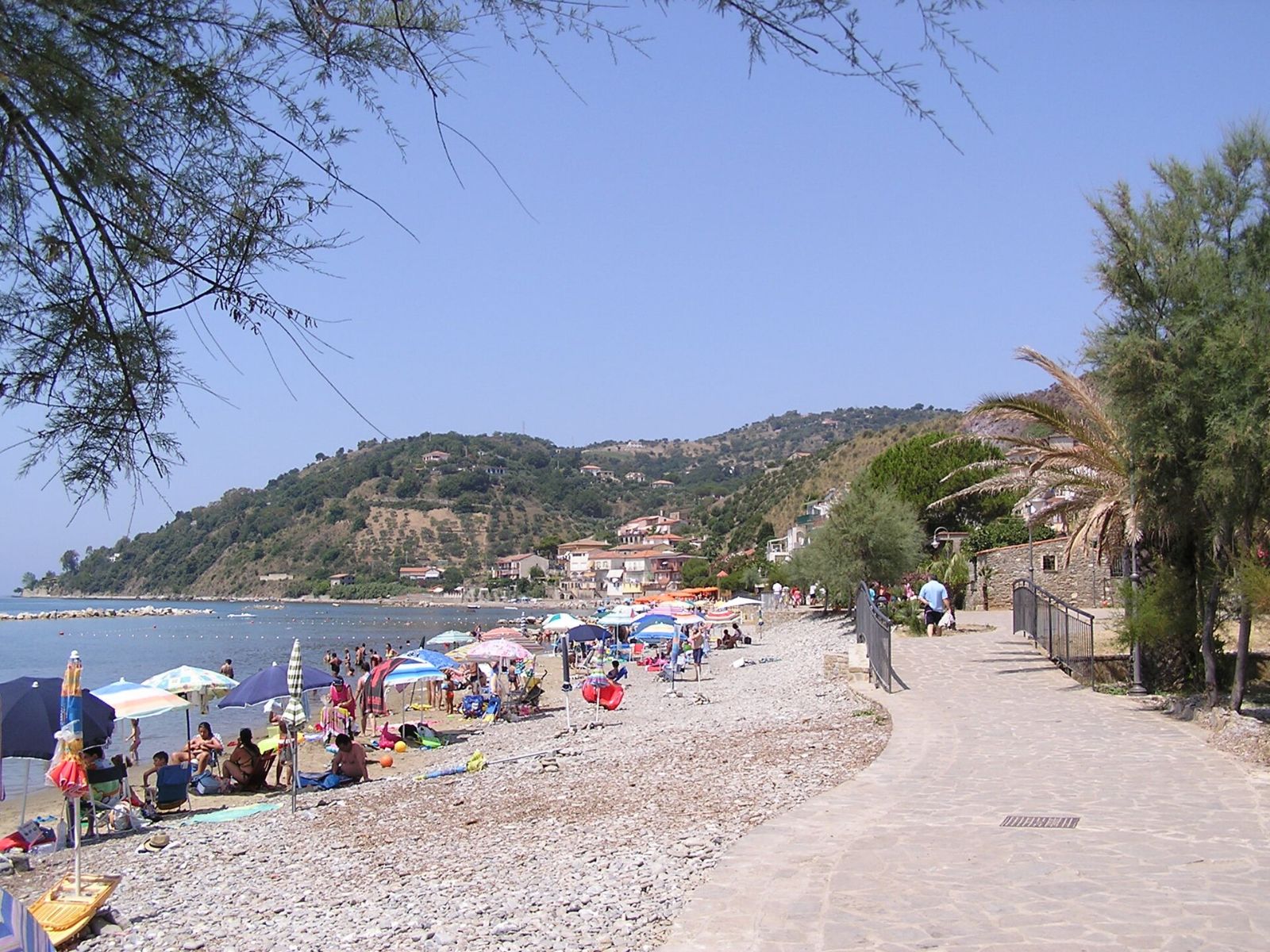
Pioppi is a small fishing village on the coast of Pollica, overlooking a stretch of calm sea. Yet its name is known all over the world: here an American doctor spent decades observing how the people of the Cilento ate, and ended up defining what we now call the Mediterranean diet. We went to see for ourselves where it all began.
Ancel Keys, the American of Pioppi
Ancel Keys was an American physiologist, born in 1904 in Colorado Springs, who studied the link between diet and health. In the 1950s, struck by the low incidence of cardiovascular disease in southern Italy, he launched the famous Seven Countries Study, which linked blood cholesterol levels to deaths from coronary heart disease.
With his wife Margaret, also a scientist, Keys built his villa in Pioppi, called Minnelea, where he lived and worked for many years, from 1963 until the late 1990s. Together they wrote popular books that introduced the world to the "Mediterranean way" of eating. Keys died in 2004, aged one hundred, after a century of life spent largely studying what we put on our plates.
A heritage of humanity
On 16 November 2010, in Nairobi, UNESCO's Intergovernmental Committee inscribed the Mediterranean diet on the list of the Intangible Cultural Heritage of Humanity. What was recognised was not a list of foods, but a set of knowledge, practices and traditions that run from the landscape to the table: growing, fishing, preserving, cooking and above all eating together.
In 2010 four emblematic communities were named: Soria in Spain, Koroni in Greece, Chefchaouen in Morocco and the Cilento for Italy, represented by Pollica itself. In 2013 the recognition was extended to Cyprus, Croatia and Portugal.
The Living Museum of the Mediterranean Diet
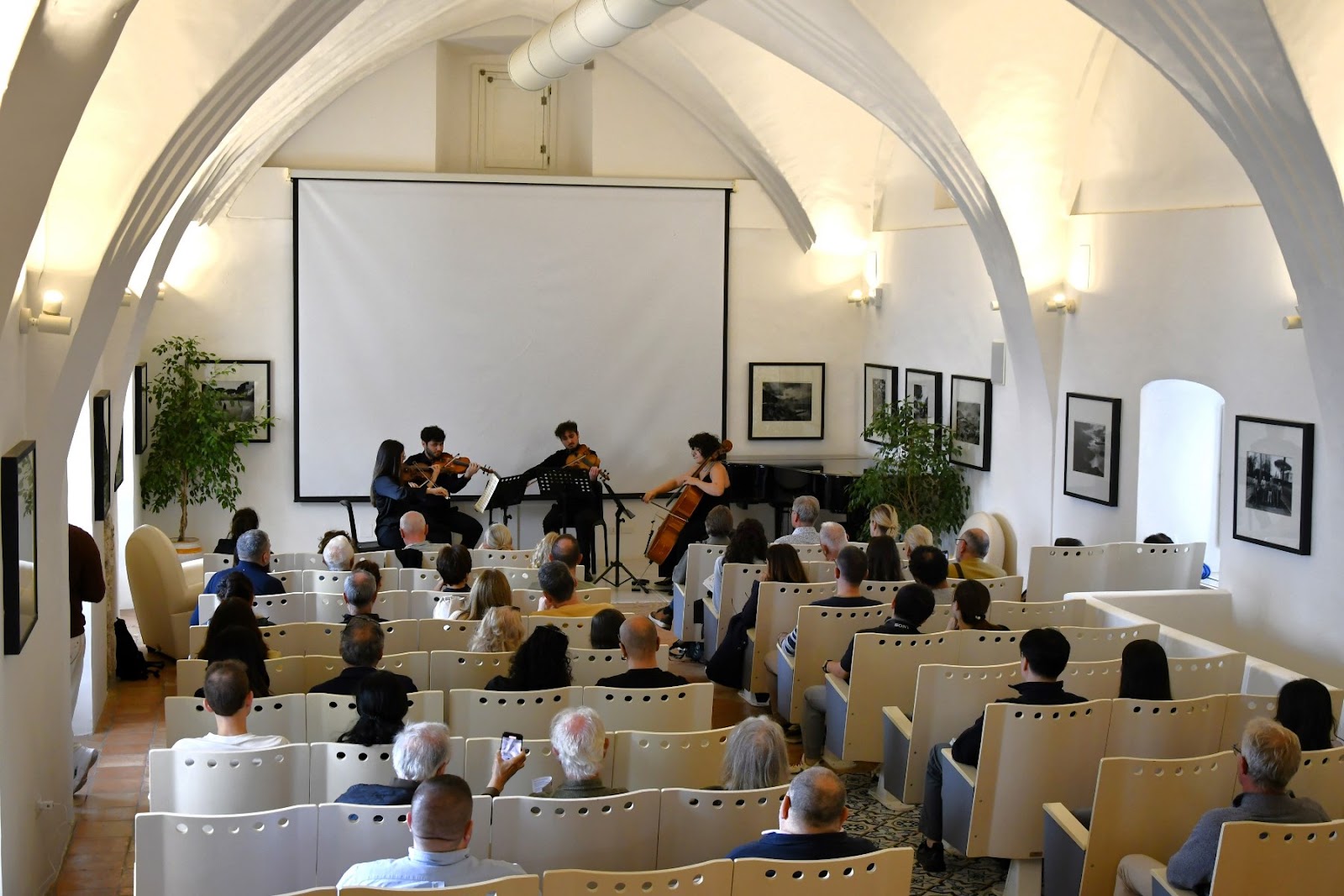
A few steps from Pioppi's beach stands Palazzo Vinciprova, home to the Museo Vivente della Dieta Mediterranea (Living Museum of the Mediterranean Diet). The route winds through several rooms that tell the story of the Mediterranean diet, the pleasures of the table and the link with wellbeing. We were particularly struck by Keys' personal library, which makes the story very tangible.
The museum is part of an ecomuseum spread across the Cilento: the idea is that the Mediterranean diet is not something you visit in a glass case, but something you experience in the fields, the harbours and the kitchens. Check opening times and tickets on the official website before you set off.
What is on the plate
Extra virgin olive oil, cereals, pulses, vegetables and fresh or dried fruit, fish in moderate amounts, dairy products and little meat, all accompanied by wine or herbal infusions: these are the basic ingredients of the Mediterranean diet as described by UNESCO. In the Cilento you will find them all, from anchovies caught with the menaica net to figs and the pulses of the inland hills. We suggest seeking out seasonal produce at the markets and farms of the area.
How to get there and when to go
Pioppi lies along the coast road linking Acciaroli to Casal Velino. The most convenient railway station is Vallo della Lucania-Castelnuovo, from where you continue by car or local transport. The best period runs from spring to autumn: there is more going on in summer, but in September the sea is still warm and there are fewer people.
Nearby
To discover the rest of the area, start from our guide The Cilento: what to do and what to see. From Pioppi you can head down to Pisciotta to discover Menaica anchovies, or reach Ascea for The Archaeological Park of Velia. To the north, Agropoli, the old town and the castle awaits you, while among the local flavours do not miss the Fico Bianco del Cilento DOP, the white fig of the Cilento.
Photo at the top (Pollica): Spinoziano, CC BY-SA 3.0, via Wikimedia Commons.