In Pisciotta we tasted an anchovy unlike any other: pale, almost pinkish flesh, with an intense yet delicate aroma. This is the menaica anchovy, the fruit of an ancient fishing method that survives in very few places in the Mediterranean. Here is how it comes about.
An ancient way of fishing, at sunset
The name comes from the menaica (or menaide), the net used by the fishermen and, by extension, the boat too. They go out at sunset, in the calm-sea months between April and July. The size of the mesh means that only the largest fish stay in the net: a selective method that lets young fish go.
It is a technique handed down for generations and today it survives mainly in the Cilento, between Pisciotta and Pollica. Very few fishermen still practise it, and that too is what makes the product so precious.
Processing by hand
As soon as they are back in port, the anchovies are processed straight away: headed and gutted by hand, then washed in brine. They are laid in alternating layers with salt in traditional terracotta jars, where they rest for at least three months in cool, humid rooms.
You can tell the result at a glance: the flesh is pale, verging on pink, unlike ordinary salted anchovies, and the flavour is full but never harsh. We tried them simply with a drizzle of oil and a slice of bread, and that is the best way to understand them.
A Slow Food Presidium
To protect this tradition, menaica anchovies have become a Slow Food Presidium, set up with the support of the Cilento, Vallo di Diano and Alburni National Park. The Presidium brings together the few fishermen and the artisan workshops that process the catch using the traditional method.
Pollica, with its hamlets overlooking the sea, is also the area described in Pioppi and the Mediterranean diet: anchovies are an important part of that food culture.
How to enjoy them
In Cilento homes, menaica anchovies end up on pasta, in simple sauces with oil and garlic, or on pizza and bruschetta. If you buy them, keep them in the fridge and eat them soon once the jar is open. To discover the other flavours of the area, explore the typical dishes of Salerno and the traditions of the Cilento.
Nearby
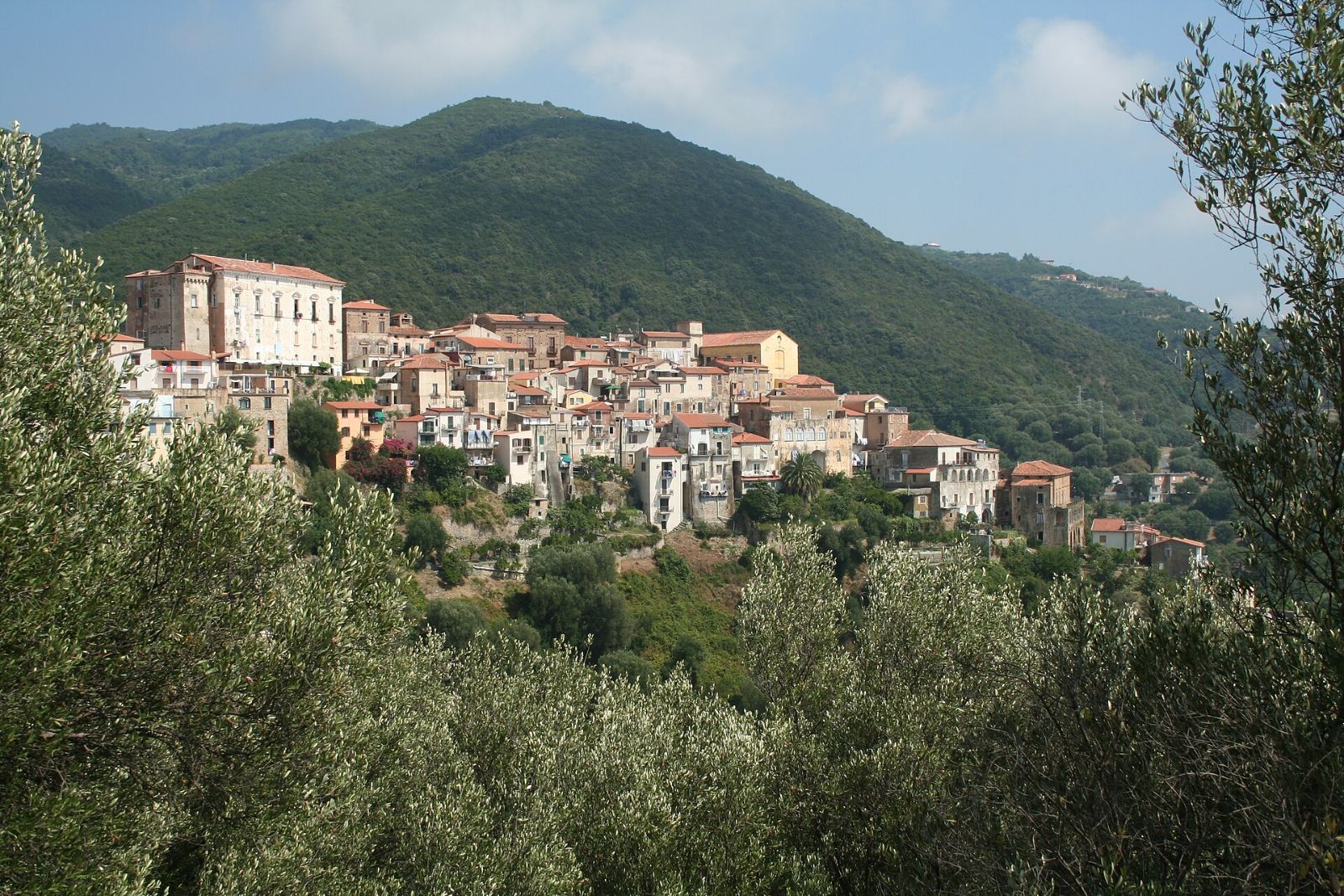
Pisciotta is a medieval village perched on a hill, with a marina where you can still see the fishing boats. From here the rest of the coast is within easy reach: start from our guide The Cilento: what to do and what to see and travel on to Centola for Palinuro and the Natural Arch. Staying with the sea, we also recommend the Colatura di alici di Cetara, the anchovy sauce of Cetara.
Photo at the top (Pisciotta): Heinz-Josef Lücking, CC BY-SA 3.0 de, via Wikimedia Commons.