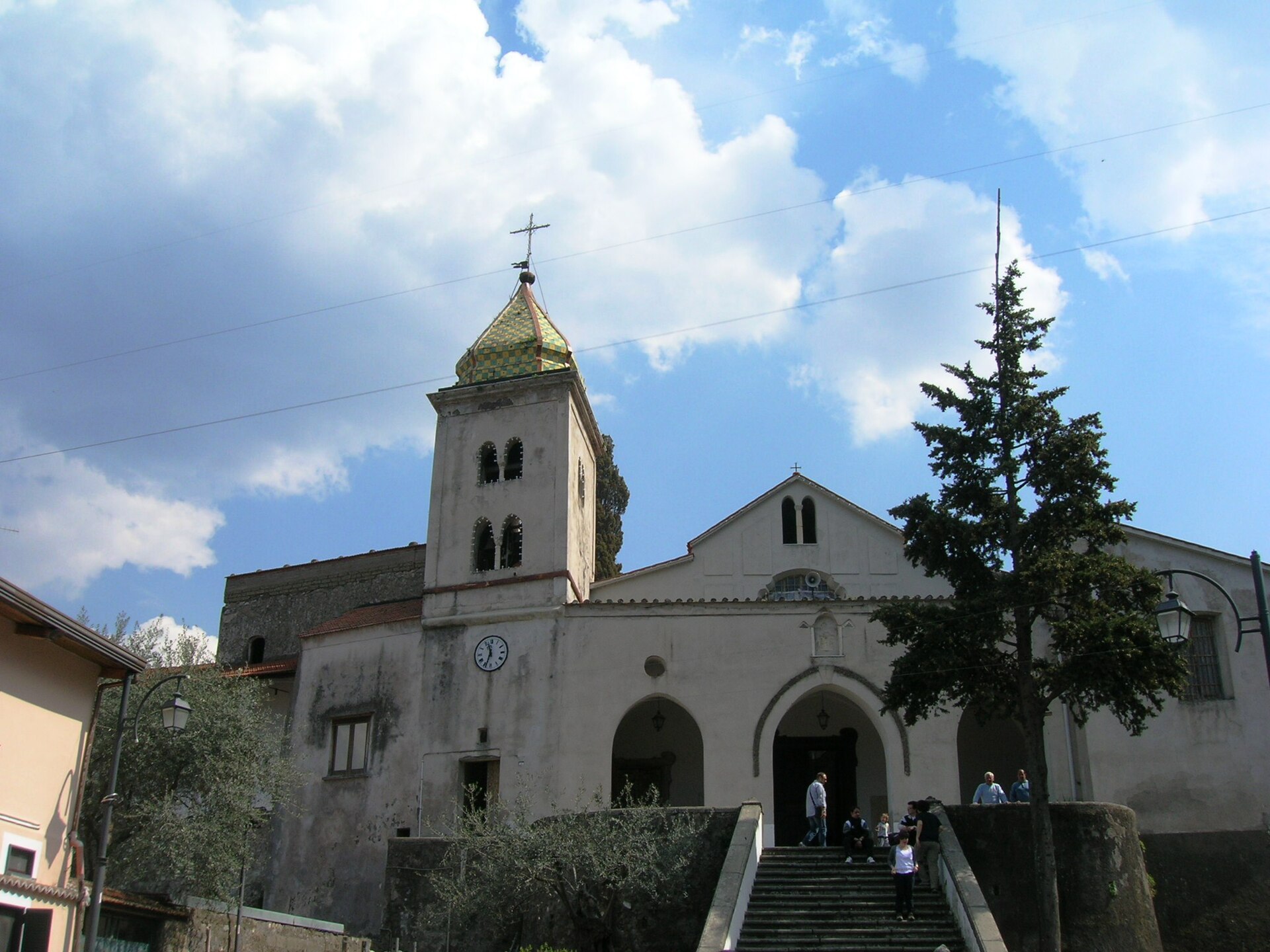
A few kilometres from Naples, at the foot of the Lattari Mountains, there's a small town that has lived on pasta for centuries: Gragnano. The first time we arrived we were struck by the scent of semolina in the air, and we immediately understood why pasta is a serious business here. Here's what makes Pasta di Gragnano PGI special.
A history four centuries long
Pasta making in Gragnano has been documented since the end of the 16th century. In the 17th century, after a severe famine in the Kingdom of Naples, pasta became a staple food for the population and the number of pasta factories in the town grew.
Its success was helped by the water flowing down from the Lattari Mountains, also used to power the mills of the Valle dei Mulini, and by the climate, between the sea air and the mountain air. For centuries pasta was hung out to dry in the open air, on racks along the streets. In 1845 King Ferdinand II of Bourbon granted the pasta makers of Gragnano the privilege of supplying the court.
PGI recognition
Pasta di Gragnano became a Protected Geographical Indication under the European regulation of 2 October 2013. The production rules state that it may only be made within the whole municipality of Gragnano, using durum wheat semolina and water from the local aquifer.
What makes it different
The rules are precise. The dies must be exclusively bronze: this is what gives the pasta its rough surface, full of tiny irregularities that hold on to the sauce. Drying takes place at temperatures between 40 and 80 °C, for anywhere from 6 to 60 hours.
The rules also set a minimum protein content of 13 grams per 100 grams and a maximum moisture level of 12.5%. You can recognise it at a glance by its matt surface, rough to the touch.
Our advice
Strolling through the centre of Gragnano you'll see pasta factories and shop windows full of different shapes: spaghetti, paccheri, ziti, mafalde and many more. We suggest trying a long shape with a simple tomato sauce, so you can really appreciate the texture of the pasta. And if you enjoy walking, don't miss the Valle dei Mulini, where the ruins of the old mills still stand.
Nearby
This pasta is perfect for the great traditional sauces: you'll find them in Neapolitan ragù and genovese and in Typical Neapolitan dishes. Gragnano is close to the coast: carry on towards Sorrento: what to see or towards Herculaneum and Pompeii: what to see. The whole province is covered in Naples and its surroundings.
Photo at top (Gragnano): Mentnafunangann, CC BY-SA 3.0, via Wikimedia Commons.