Between late winter and spring, crossing the Sele plain on the way to the temples, you will see whole fields of artichokes. We have stopped more than once to look at them, with the Doric columns in the background. Here is what you need to know about the Carciofo di Paestum IGP.
The Tondo di Paestum
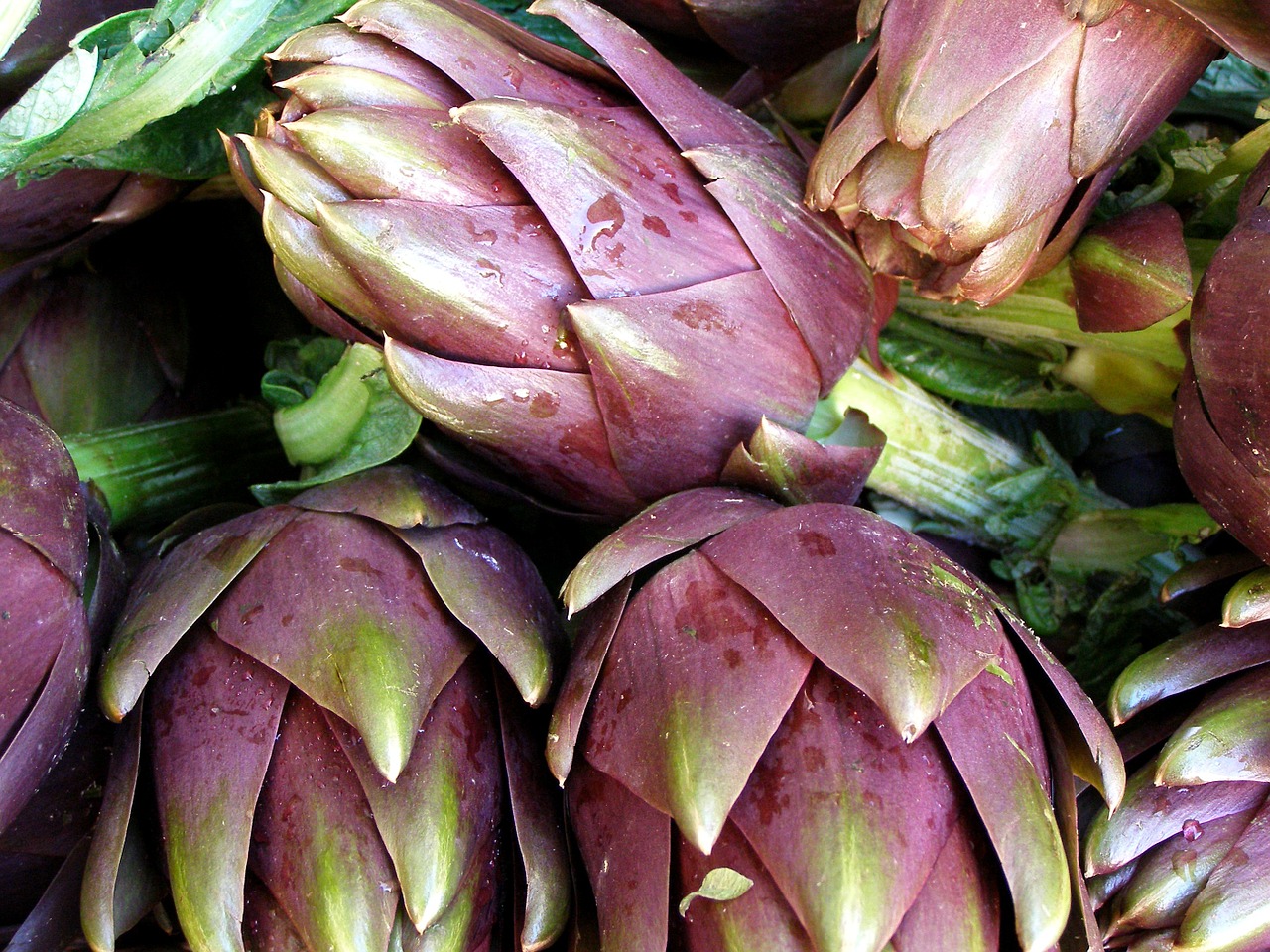
The protected artichoke is of the Romanesco type and comes from the local ecotype known as Tondo di Paestum. It is roundish and compact, with a characteristic hole at the tip, green bracts with violet hues and, above all, no spines. The heart is fleshy and tender, with a delicate flavour.
The production area
The Paestum artichoke has been a Protected Geographical Indication since 2004. It is grown in 14 municipalities in the province of Salerno: Agropoli, Albanella, Altavilla Silentina, Battipaglia, Bellizzi, Campagna, Capaccio Paestum, Cicerale, Eboli, Giungano, Montecorvino Pugliano, Ogliastro Cilento, Pontecagnano Faiano and Serre.
A little history
Artichokes in the area are already mentioned in documents from the Bourbon period, at the beginning of the nineteenth century. Their real spread, however, came with the land reclamation of the Sele plain at the end of the 1920s, when farmers who had come from the Naples area began growing them on a large scale on the new land. Since then the artichoke has become one of the agricultural symbols of the plain.
When to find it
The product specification sets the harvest between 1 February and 20 May. This is also the best time to visit the area as a tourist: the temples are less crowded and the countryside is green. The head is picked with a piece of stem, which must not be longer than 10 centimetres.
In the kitchen
The beauty of a spineless artichoke is that it is quick to clean. We tasted it roasted over embers, as is the custom in the countryside, but it is also excellent boiled, fried in batter, stuffed or in pasta dishes. We recommend trying it raw, thinly sliced, with a drizzle of Cilento olive oil.
Where to taste it and what is nearby
The ideal visit combines the artichoke fields with Paestum and its temples and the nearby town described in Agropoli, the old town and the castle. To pair it with a local oil, read Colline Salernitane DOP extra virgin olive oil; for another product from the same area there is Mozzarella di Bufala Campana DOP. Seasonal dishes are in Typical dishes of Salerno, all the designations in Campania's DOP and IGP products, and the province in Salerno and its surroundings.
Sources: Qualigeo – Carciofo di Paestum IGP.