If there is one dish that sums up Sunday in Irpinia for us, it is a plate of handmade fusilli with ragù. We have watched them being made, the dough rolled around a thin rod with lightning-fast movements, and ever since we cannot think of Avellino without remembering that aroma. Here is what they are and why they are worth tasting.
An old Irpinian pasta shape
Fusilli avellinesi are an old pasta shape from Irpinia, once made by hand by the housewives of Avellino and the villages of the province. They should not be confused with tightly spiralled industrial fusilli: the Irpinian ones are longer and irregular, with a hole in the middle and a rough surface that holds the sauce.
Handmade fusilli have a long history throughout Campania, and tradition traces them back to Arab influences that arrived from Sicily. Irpinia became one of their homelands, so much so that they are still one of the first courses we recommend looking for when you are in the area. You will also find them among the suggestions in our guide Avellino and its surroundings.
How they are made: semolina, water and an iron rod
The traditional dough is very simple: durum wheat semolina and water, kneaded for a long time until smooth and firm. The secret lies entirely in the shape.
- A small piece of dough is pulled off and rolled by hand into a thin cylinder.
- A thin iron rod (ferretto), once the household knitting needle, is laid on the cylinder, and the dough is rolled under the palms, wrapping it around the rod.
- The rod is gently slid out: the fusillo stays hollow inside and slightly twisted.
It is a movement that looks easy but is not: that is why, even today, in many Irpinian families fusilli are made together, especially on feast days.
The sauce: Sunday ragù
The rough, porous surface of fusilli is made for hearty sauces. The classic dressing is meat ragù, slow-cooked for hours, which has always been part of Sunday lunch. A generous sprinkling of grated cheese completes the dish.
In Irpinia and the Sannio another popular version is fusilli al tegamino: the pasta is dressed with ragù, enriched with mozzarella and grated cheese, then baked in small terracotta dishes. The result is a stringy, gratinéed dish, perfect for cold days.
Where to taste them and what to pair them with
Fusilli are a fixture in Irpinian trattorias and food festivals, and today several artisan pasta makers in the province also produce them dried, bronze-drawn, for those who want to take some home. Our advice is to taste them handmade first of all, perhaps in a village in the hinterland.
As for pairing, such a rich ragù calls for a full-bodied local red: Irpinian Aglianico, and on special occasions Taurasi. We tell you about it in Taurasi DOCG wine.
Nearby
- All the typical dishes of the province in What to eat in Avellino.
- Another Irpinian tradition at the table: The cicci of Santa Lucia.
- The wines to pair: the wines of Avellino.
- After lunch, a stroll through the old town: The Lombard Castle of Avellino.
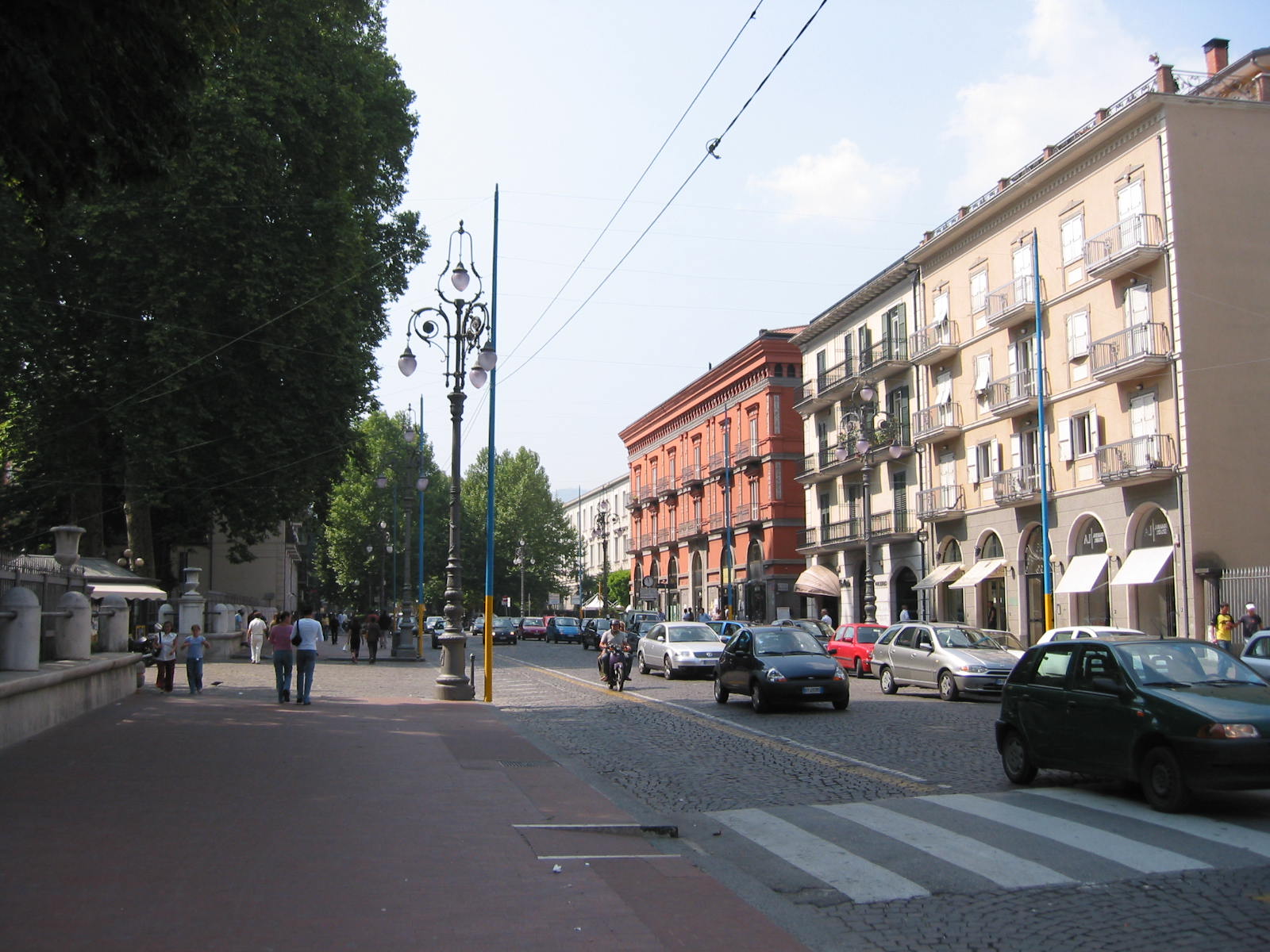
Top photo (Avellino): unknown author, CC BY-SA 3.0, via Wikimedia Commons.