The first time we were offered a plate of cicci, in mid-December, we found ourselves looking at a soup of colourful grains that smelled of garlic and peppers. More than a dish, it is a gesture: it is made in large quantities and shared. Here is one of the most heartfelt traditions of the Irpinian winter.
What cicci are
In Irpinia the dialect word cicci refers to pulses and grains. The cicci of Santa Lucia are in fact a humble dish that combines grains and pulses cooked together and then flavoured with a soffritto. They are made every year on 13 December, the day the Church remembers Saint Lucy, the saint invoked as the protector of eyesight.
The tradition is widespread throughout the province of Avellino and is especially cherished in the provincial capital, Avellino, and in nearby towns such as Atripalda, where the recipe is guarded and handed down within families. In Avellino an association was even founded in 2013 to promote this custom. It is one of the traditions we point out in our guide Avellino and its surroundings.
A dish made to be shared
According to tradition, the faithful made cicci as a vow, an offering to the saint in thanksgiving, and handed them out to relatives, neighbours and those in need. That is why they are cooked in huge pots and the preparation becomes a small collective ritual, bringing families and neighbours together.
There is also a symbolic reading that we found lovely: the round, colourful grains are said to recall eyes, linked to the cult of Saint Lucy. In many parts of the South the feast of 13 December is associated with grains: in Sicily, for example, people make cuccìa, based on boiled wheat.
The ingredients
Every family has its own version, but these are the most common ingredients:
- white maize and soft wheat;
- chickpeas, beans and, in some recipes, lentils;
- round pickled peppers, typical of Irpinian tradition;
- garlic and extra virgin olive oil.
How they are made
The work begins on the evening of 12 December, when the grains and pulses are left to soak for many hours, usually about half a day.
- The next day they are cooked for a long time in plenty of water: some boil them all together until the water is absorbed, others prefer to cook them separately, because they need different cooking times.
- In a pot, ideally earthenware, the garlic and the pickled peppers, cut into pieces, are fried in the oil.
- The well-drained grains and pulses are added, stirred and left to take on the flavour.
- They are served hot or warm, in deep bowls.
The flavour is rustic and bold, with the tangy note of the peppers giving character to the whole dish. To us it seemed the perfect way to warm up on the coldest days of the year.
Nearby
- The other traditional dishes: what to eat in Avellino.
- The Irpinian Sunday pasta: fusilli avellinesi.
- Another winter flavour: The Montella IGP chestnut.
- For a weekend in the city: a weekend in Avellino.
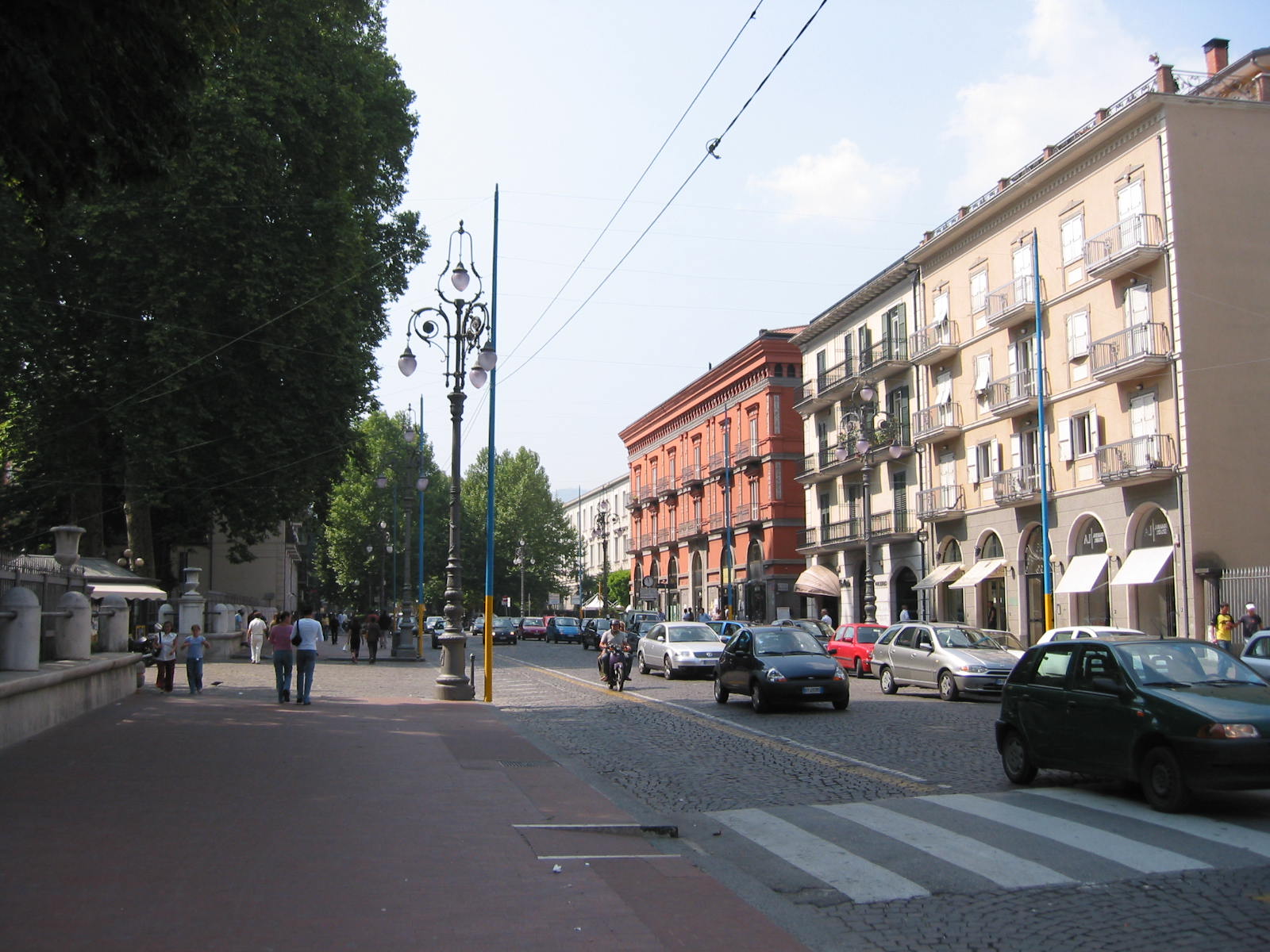
Photo at the top (Avellino): unknown author, CC BY-SA 3.0, via Wikimedia Commons.