The first time we saw colatura di alici poured over a plate of spaghetti in Cetara, it seemed impossible that a few drops of an amber liquid could change the flavour so much. Then we tasted it. Here is the story of this ancient condiment, protected today.
From Roman garum to the monks of the Coast
Colatura is often seen as the heir to garum, the fermented fish sauce loved by the ancient Romans. According to tradition, the version we know today was born in the Middle Ages thanks to the Cistercian monks of the Amalfi area, who noticed the liquid that anchovies released while being preserved in salt and decided to collect it. Ever since, Cetara, a fishing village on the Amalfi Coast, has made it its symbol.
A DOP since 2020
Since 2020 Colatura di alici di Cetara has been a Protected Designation of Origin (DOP). It was registered by Commission Implementing Regulation (EU) 2020/1529 of 14 October 2020, published in the Official Journal of the European Union on 21 October 2020.
The product specification sets out precise rules:
- the anchovies must be caught in the waters off the province of Salerno, with the traditional purse seine (cianciolo) net;
- the fishing season runs from 25 March to 22 July;
- all stages of processing and bottling must take place in the province of Salerno.
How it is made, drop by drop
As soon as they arrive, the anchovies are headed and gutted by hand and arranged in alternating layers with sea salt inside small wooden containers called terzigni. Weights are placed on top. Over the months the anchovies release a liquid that is collected and, after a long maturation, filtered. The result is a clear liquid, amber in colour verging on mahogany brown, with an intense, savoury flavour.
How to use it
Colatura is used raw and sparingly: a single spoonful, mixed into extra virgin olive oil with garlic and parsley, is enough to dress spaghetti. On the Coast it is traditional to make them on Christmas Eve. We also use it on boiled vegetables, escarole and potatoes. It should not be cooked: heat spoils its aroma.
Where to taste it and what is nearby
The place to go is Cetara, with its colourful boats and its tower by the sea. From here, reach Vietri sul Mare for its ceramics or continue towards Maiori and Amalfi. To get to know the raw material, read Salted anchovies and Menaica anchovies; for another protected product of the Coast there is the Limone Costa d'Amalfi IGP. The full overview is in our guide to Campania's DOP and IGP products, and the province in Salerno and its surroundings.
Sources: Implementing Regulation (EU) 2020/1529, EUR-Lex; Qualigeo, Colatura di alici di Cetara DOP.
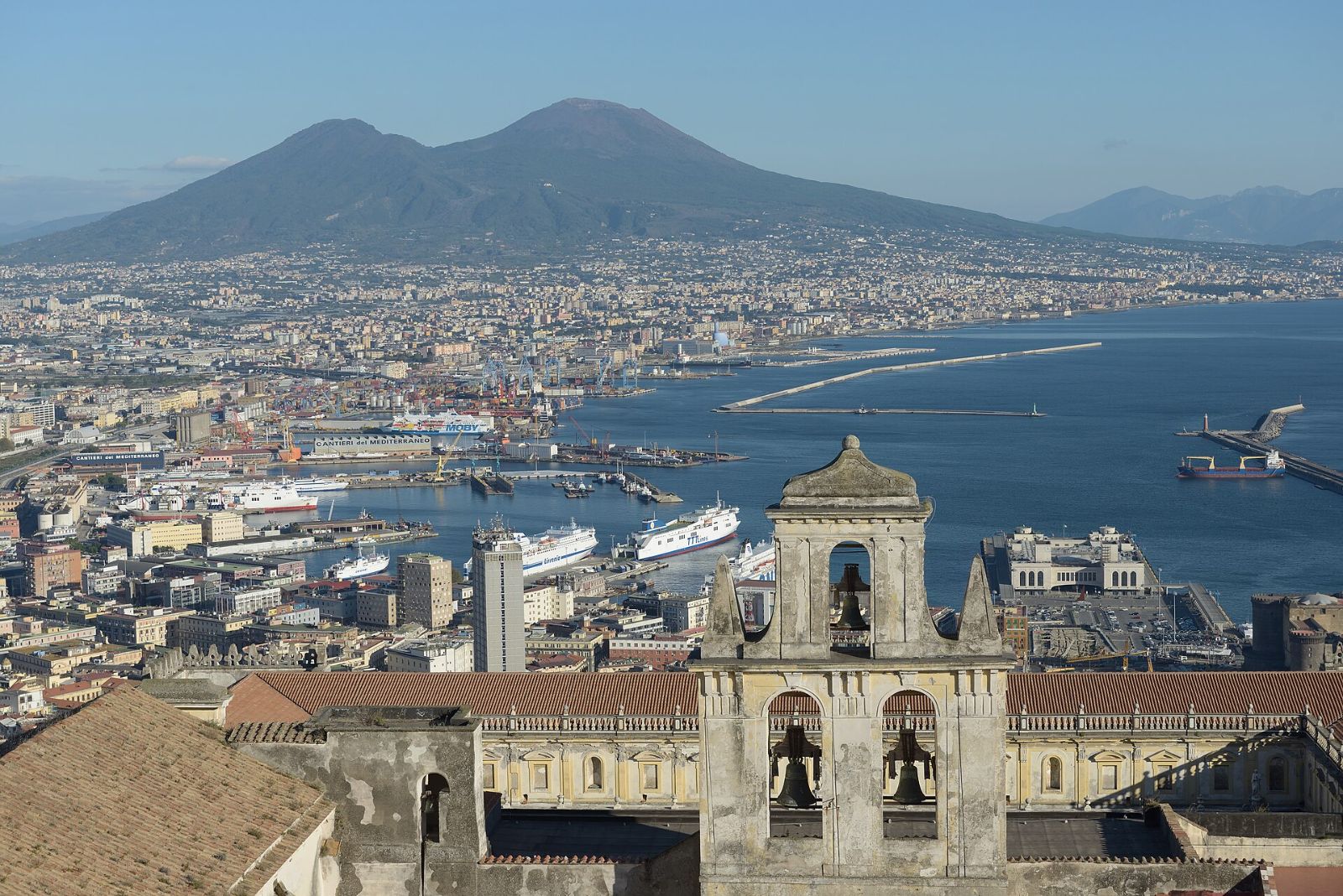
Top photo (Cetara): Jensens, Public domain, via Wikimedia Commons.