We walked into the Provincial Archaeological Museum of Salerno mainly to see one face: that of the famous bronze head of Apollo. We came out with a much richer picture of how this land was inhabited, from prehistoric caves to Roman times. Here is what to expect.
A home in the San Benedetto complex
The museum was founded in 1927 and opened to the public the following year. Since 1964 it has been housed in the San Benedetto complex, the old Benedictine monastery on the eastern edge of the historic centre, the one that in the Middle Ages was supplied with water by the aqueduct described in The medieval aqueduct of Salerno, the "Devil's Bridges". The museum belongs to the Province of Salerno.
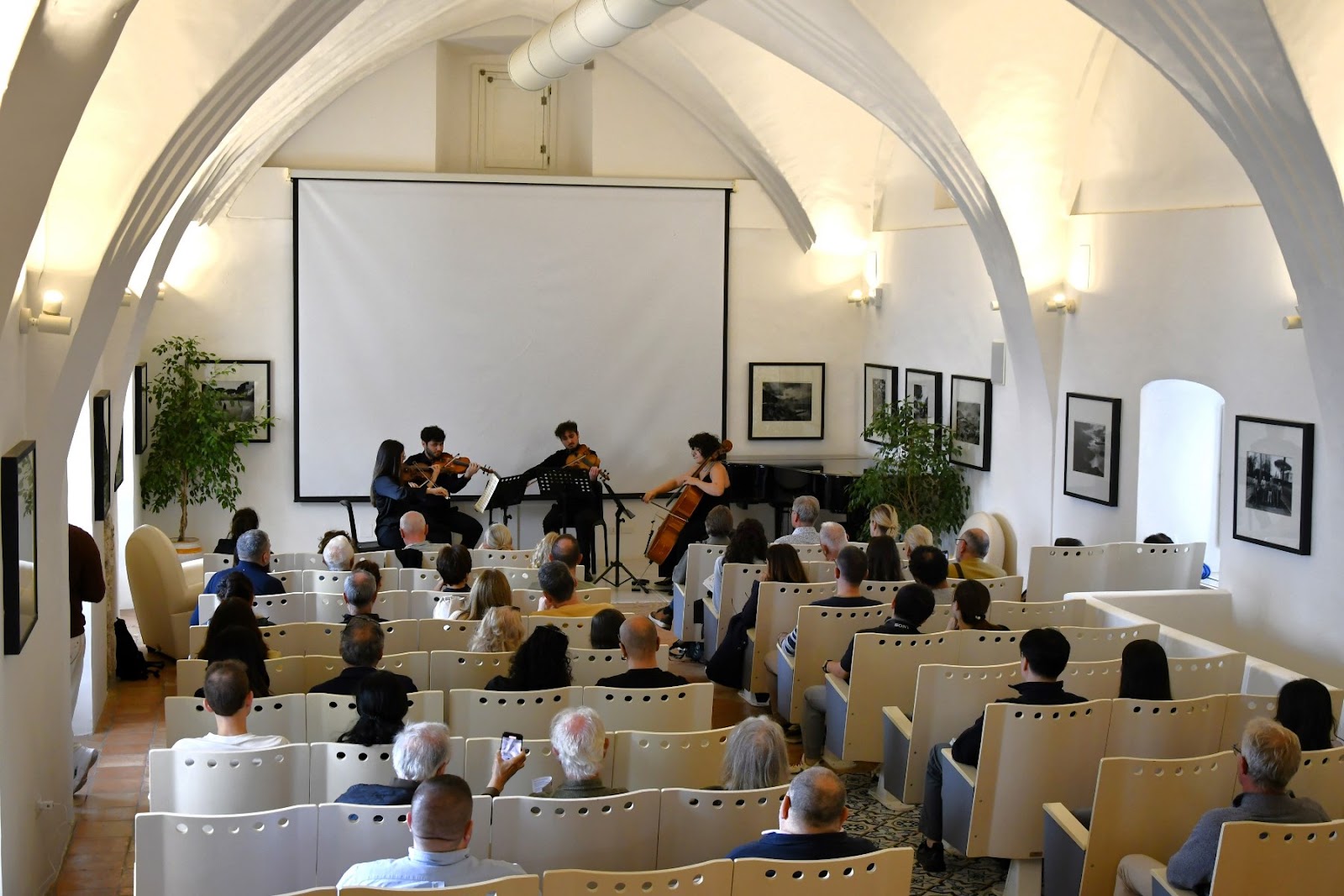
Outside, you first come across the lapidarium, with statues, reliefs and inscriptions. Inside, the route is laid out on two floors: on the lower floor the finds are arranged by period and by area of the province, while the upper floor focuses on material from the city of Salerno.
The head of Apollo, symbol of the museum
The piece everyone comes to see is the bronze head of Apollo. Its story reads like a tale: it was fished out of the waters of the Gulf of Salerno in 1930, caught in fishermen's nets. It is dated between the first century BC and the first century AD and belonged to a larger-than-life statue; some scholars link it to the Campanian workshops associated with the sculptor Pasiteles.
We lingered a long time in front of this face, with its gathered hair and serene gaze. In 1932, when the museum was still in the Palazzo della Provincia, the poet Giuseppe Ungaretti also came to see it: a detail that says a great deal about the fame the sculpture gained straight after its discovery.
From prehistory to the Etruscans of Fratte
The variety of the collection surprised us. It starts with prehistoric material, from the Palaeolithic to the Bronze Age, some of it from caves in the area. It continues with Iron Age objects of the Villanovan tradition, with pottery, weapons and ornaments.
An important section is devoted to the settlement of Fratte, on the hills behind the city, inhabited between the sixth and third centuries BC by the Etruscans and later by the Samnites. Here you can see grave goods, amber necklaces, bronze helmets and the typical Samnite belts. Greek pottery, Roman statues such as a Venus with a dolphin, and a rich coin collection complete the picture.
Private collections and Roman sculpture
Part of the route is devoted to the private collections donated to the museum over time, which enrich the story with Geometric and Corinthian pottery, bronzes and tomb furnishings. In the Roman section, next to the Venus with the dolphin, we found an Aphrodite of the Cnidian type, a reminder of how closely ancient Salerno was tied to the models of Greek art. Finally, the outdoor lapidarium is a good way to end the visit in the open air.
Why it is worth a visit
We liked it because it is a museum on a human scale: you can see it at a relaxed pace in an hour or a little more, and it helps you understand everything you will see later in the province, from the temples of Paestum to the necropolises of the Picentini. If you are travelling with children, the story of the head pulled up by fishermen is perfect for sparking their curiosity, and Salerno has plenty of other family-friendly ideas.
How to get there and when to go
The museum is on Via San Benedetto, a few minutes' walk from the centre and from Salerno station. It is an indoor visit, so it is ideal in any season and perfect for the hottest hours of summer or a rainy day. Check opening times and tickets on the official website before you set off.
Nearby
As you leave the museum, walk under the nearby Devil's Bridges and then climb into the historic centre towards San Pietro a Corte and Salerno Cathedral. To delve deeper into the archaeology of the area, continue with The National Archaeological Museum of Pontecagnano and Paestum and its temples. All the other destinations are in our guide Salerno and its surroundings.
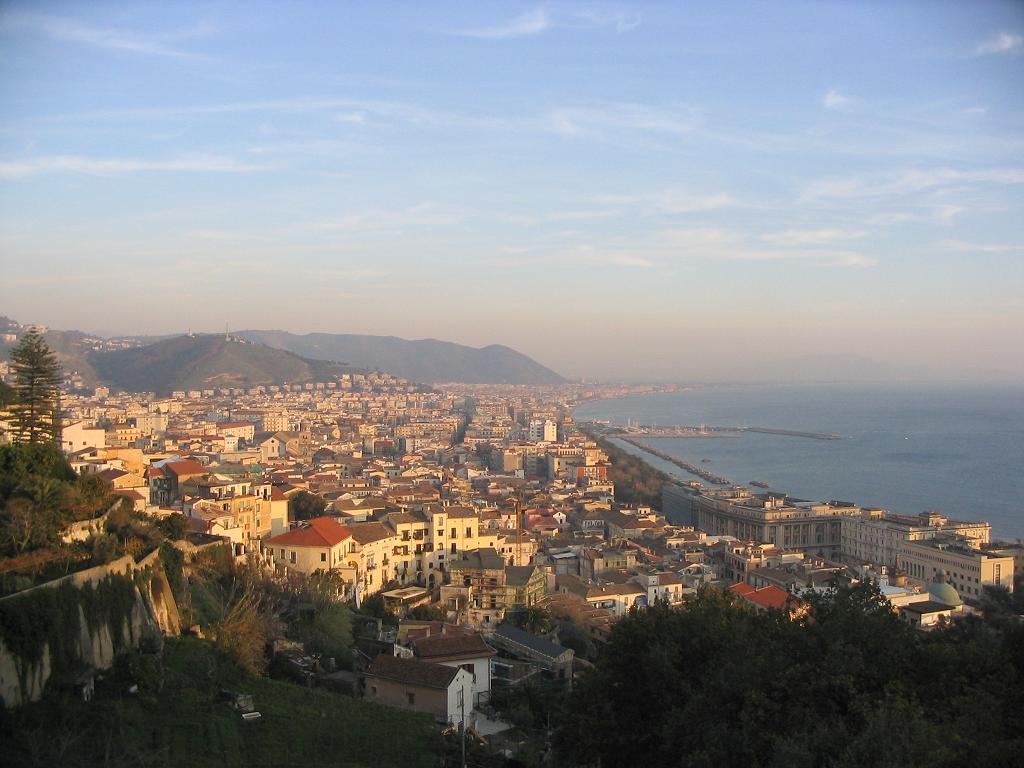
Photo at the top (Salerno): No machine-readable author provided. Giaros assumed (based on copyright claims)., CC BY-SA 3.0, via Wikimedia Commons.