When we think of the Etruscans, Tuscany and Lazio come to mind, yet one of their most interesting cities was here, on the plain south of Salerno. We went to Pontecagnano Faiano precisely to understand how they got here, and the archaeological museum gave us the answers, room after room.
The frontier Etruscans
The exhibition at the National Archaeological Museum of Pontecagnano is called "Gli Etruschi di frontiera" (The Frontier Etruscans), and the name explains the point of the visit well. This was an Etruscan-Campanian settlement on the southern edge of the Etruscan world, a meeting place for different peoples, languages and cultures: Etruscans, Greeks, indigenous peoples and, later, Romans.
We were struck by the sheer amount of material from the area. Systematic excavations began in 1962, when building expansion in the modern town started to turn up tomb after tomb. Since then almost 10,000 burials have been discovered, with their grave goods: vases, weapons, ornaments and everyday objects. A small part of this heritage is on display in the rooms; the rest is kept in the museum's storerooms.
A modern museum with a long history
A first exhibition space opened in 1978, but the museum we visit today was inaugurated in 2007 in a modern building designed by the architect Giancarlo Cosenza. The building is arranged on three levels: the storerooms, the floor with services and the auditorium, and the exhibition floor. Since 2014 it has been run by the Ministry of Culture and today it reports to the Direzione regionale Musei Campania.
The rooms are bright and well organised, and the display cases follow a clear chronological thread. Even those who are not archaeology enthusiasts, in our view, can follow the story without getting lost.
The route, from the Eneolithic to Roman times
The journey begins with Prehistory and the Copper Age (about 3500-2300 BC), with material from the first settlements on the plain. It then moves on to the early Iron Age (ninth-eighth century BC), the Villanovan period, when a centre linked to the proto-Etruscan world developed here; among the items on display are those from the settlement at Amina.
The section we liked best is the one devoted to the Orientalising period (late eighth-seventh century BC), the so-called "city of the princes". Here you can see the grave goods of the princely tombs, which stand out for the richness and quality of their objects: this is when local elites came into contact with Mediterranean trade and showed off its products.
The route continues with the Archaic city of the sixth century BC, when the settlement took on a truly urban appearance, then the Classical and Hellenistic periods (fifth-fourth century BC), and ends with Roman Picentia, which grew up on the earlier Etruscan centre and lasted until the fifth century AD.
The Archaeological Park
Linked to the museum is the Pontecagnano Archaeological Park, an area of about 22 hectares where you can make out the remains of the Etruscan-Campanian settlement and the later Roman colony. University research is still under way here and is revealing street layouts, building phases and infrastructure of the ancient city. We recommend combining the two visits: after seeing the grave goods in the display cases, walking where the city stood helps bring what you have just seen to life.
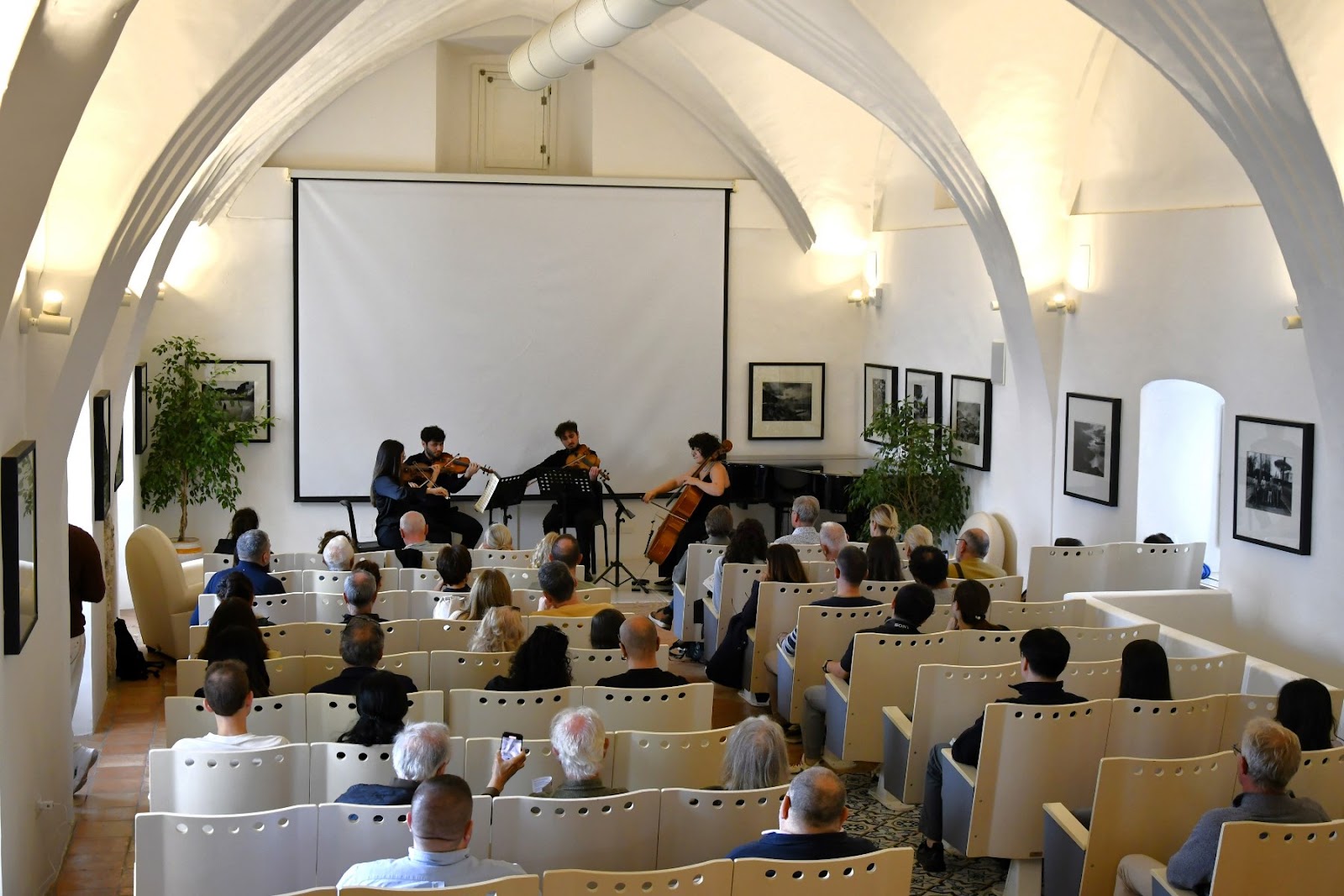
The museum also regularly organises temporary exhibitions and educational activities, sometimes with forays into contemporary art: it is worth checking the programme before you go.
How to get there and when to go
The museum is on Via Lucania, in Pontecagnano Faiano, a few kilometres from Salerno. By car it is easy to reach from the A2 del Mediterraneo motorway; the town is also served by the railway line and by intercity buses from Salerno. As it is an indoor visit, it works in any season: we especially recommend it on the hottest summer days, perhaps before a stop at the beach, or on a rainy day. Check opening times and tickets on the official website before you set off.
Nearby
Pontecagnano is an excellent base for discovering the province: in our guide Salerno and its surroundings you will find all the ideas you need to plan your trip. If ancient history has caught your imagination, head south to Paestum and its temples or stop in the city for The Provincial Archaeological Museum of Salerno. Nature lovers can head inland to The Persano WWF Oasis, and anyone in the mood for something tasty should not miss the zizzona of Battipaglia, in nearby Battipaglia.
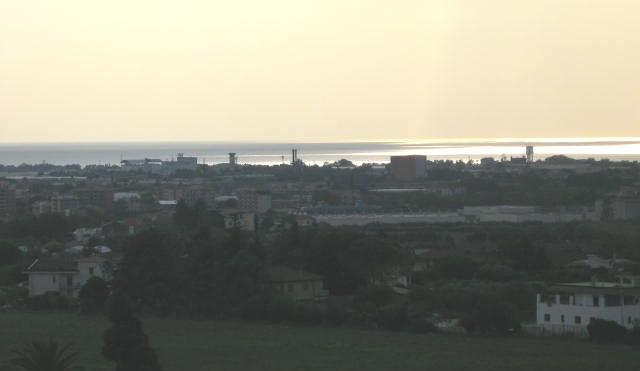
Photo at the top (Pontecagnano Faiano): Локомотив, CC BY-SA 3.0, via Wikimedia Commons.