The first time we saw an alberata aversana we stood there gazing upwards: vines climbing up poplars and running from one tree to the next, like garlands hanging over the fields. It is from these green walls that Asprinio is born, the fresh, lively white of the countryside around Aversa. Here is the story of the grape, the wine and the unique landscape that goes with it.
The Aversa alberata, the "married" vines
They are called married vines (viti maritate) because the vine is literally "wedded" to a living support, usually a poplar. The trees can reach 10-15 metres in height and the shoots are stretched from one trunk to the next, forming long green curtains. This is the alberata aversana, a very ancient training system which, according to studies, has Etruscan origins.
Harvesting here is a craft in its own right. Pickers use wooden ladders around 15 metres long, with notches where they rest their knees to work safely; the grapes are gathered in conical baskets called fescine, which are then lowered to the ground. Looking at these rows, we realised how much effort and skill lie behind every bottle.
Asprinio, a grape with an acidic soul
Asprinio is a white grape grown in the Aversa countryside. There are several theories about its origin: one of the most widely accepted links it to the Angevin period, when, in the time of Robert of Anjou, a court official is said to have found in these lands the ideal conditions for producing sparkling wines.
The name already says a lot (aspro means sharp): it is a wine with marked acidity, straw yellow in colour with greenish glints, light and with citrus notes. We find it perfect in summer, well chilled, perhaps alongside buffalo mozzarella or a seafood dish. You will find pairings and local produce in Mozzarella di Bufala Campana DOP.
The Aversa DOC
Asprinio is the star of the Aversa DOC appellation, recognised in 1993. The production rules provide for two types: Aversa Asprinio, with at least 85% Asprinio grapes, and Aversa Asprinio Spumante, made exclusively from this grape. The production area covers 19 municipalities in the province of Caserta, including Aversa, Lusciano and Carinaro, and 3 municipalities in the province of Naples.
One aspect we really liked is that the production rules expressly protect the Aversa alberata as an environmental and cultural heritage: an important recognition for a landscape at risk of disappearing. You will find all the details on the appellation in Aversa DOC.
Where to see them
Alberate can still be found in the countryside around Aversa, especially along the back roads. We recommend going in late September or early October, when the grapes are ripening and, if you are lucky, you will see the ladders leaning against the trees. Take the opportunity to visit the town too, described in Norman Aversa: the cathedral and the historic centre.
Nearby
To discover the rest of the area, start from our guide Caserta and its surroundings. If you want to get to know the province's other wines, read The wines of Caserta and Falerno del Massico DOC; for a trip combining Bourbon history and countryside, a few kilometres away is The Royal Site of Carditello.
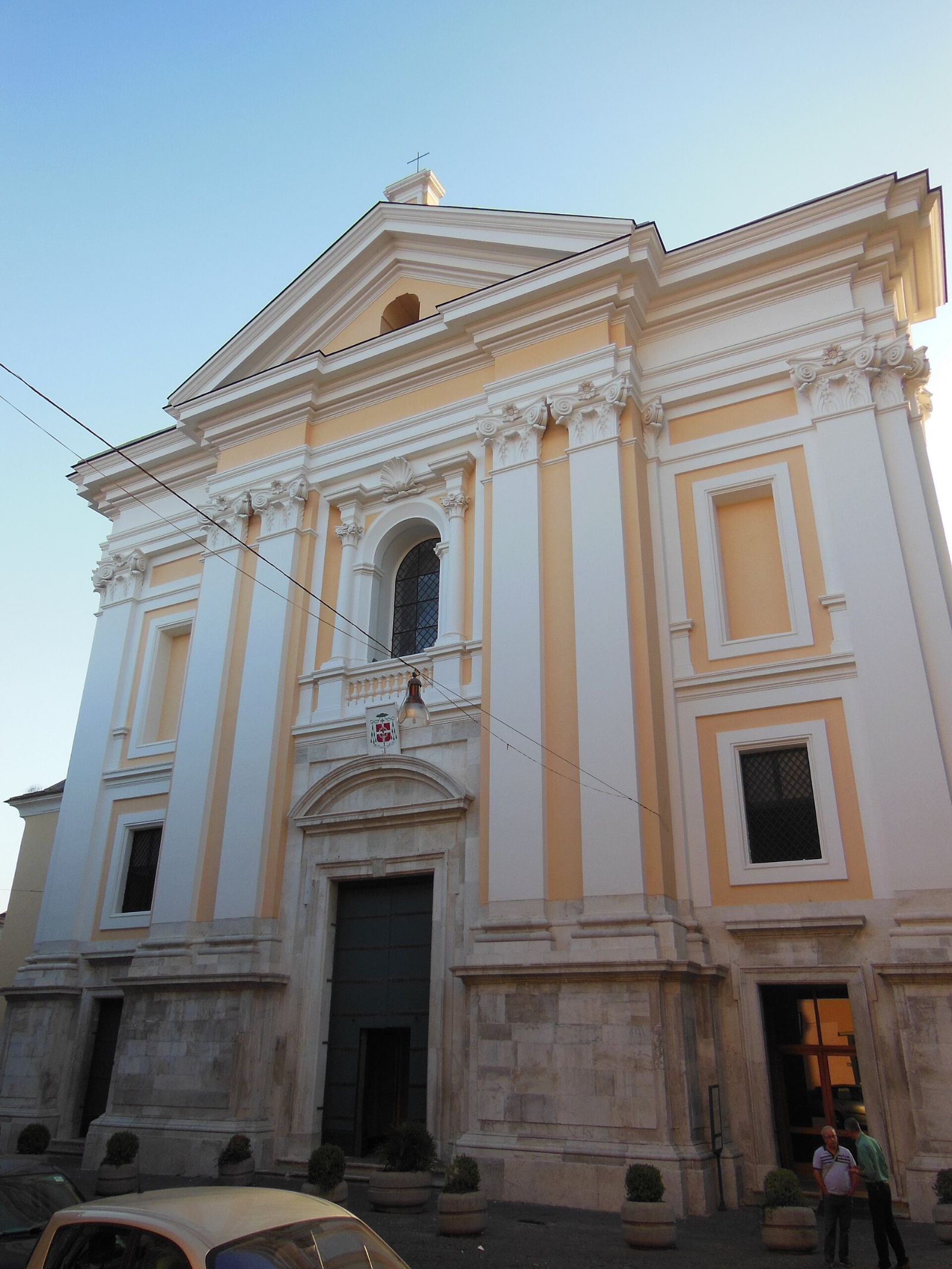
Photo at the top (Aversa): Dinamo86, CC BY-SA 3.0, via Wikimedia Commons.