When we visited the Persano WWF Oasis we moved on tiptoe, binoculars round our necks, hoping to glimpse at least the shadow of an otter. You may not be so lucky, but even without it this wetland along the Sele offers hours of silence, herons and flooded woodland. Here is what to expect and how to plan your visit.
A lake born from a dam
The oasis lies on the Sele plain, between the towns of Serre and Campagna. It all began with a dam built on the Sele river in the 1930s to irrigate the plain: the barrier created a basin of about 70 hectares, which over the years became a refuge for waterbirds.
The WWF oasis was established in 1980 and today protects about 110 hectares. The dam and the surrounding areas belong to the Consorzio di Bonifica in Destra del fiume Sele, the land reclamation consortium, which entrusts their nature management to the WWF. The area is part of the Foce Sele-Tanagro Regional Nature Reserve and of the European Natura 2000 network.
The home of the otter
The symbol of Persano is the otter, one of the rarest and most threatened mammals in Italy. It is precisely because of this species that the oasis has been recognised as a wetland of international importance under the Ramsar Convention. The otter is shy and active mainly at dusk and at night, so seeing one is a rare stroke of luck; it is easier to spot its tracks along the banks, perhaps with the help of the guides.
Three habitats in a few steps
What we liked most is the variety. Walking along the trails you pass from one habitat to another:
- the lake, with its aquatic plants and the birds that settle on the water;
- the reed beds, which cover about a third of the area and are the realm of the shyest birds;
- the riparian forest, periodically flooded by the Sele, with black poplars, black alders and white willows: one of the most important woods of this kind in Italy.
In spring, wild orchids also appear in the grass: 13 species have been counted here.
A paradise for birdwatching
Persano is an important destination for birdwatchers. 184 species have been recorded in the oasis, and 47 nest here or in the immediate surroundings. From the observation hides we saw herons, little egrets and diving ducks; among the birds of prey you may come across the kestrel and the peregrine falcon.
The richest seasons are spring and autumn, when the wetland becomes a stopover for migratory birds; in winter, by contrast, the lake hosts many overwintering species. Bring binoculars and wear neutral colours: it really makes a difference.
How to visit
The oasis is open all year round with guided tours led by naturalists, but opening days and times change with the seasons, and schools and groups must book. There are also nature trails with viewpoints and educational activities for young people. Before you set off, check opening times and tickets on the official website of the oasis or of the WWF.
How to get there and when to go
You get there by car: from the A2 del Mediterraneo motorway, exit towards the Sele plain and follow the signs for Serre, Persano and the oasis. It is a perfect outing to combine with a day on the Sele plain. The best period is from October to May, with the migrations; in summer it is best to go early in the morning. Comfortable shoes, a hat and, if you have it, mosquito repellent.
Nearby
Climbing towards the mountains behind Campagna you will find The Picentini oases: Monte Polveracchio and Valle della Caccia. Heading down towards the sea, in less than an hour you reach Paestum and its temples, and if you pass through Battipaglia it is worth tasting the famous zizzona of Battipaglia. To plan your trip more broadly, explore green tourism in Campania, with its parks, reserves and countryside, and our guide Salerno and its surroundings.
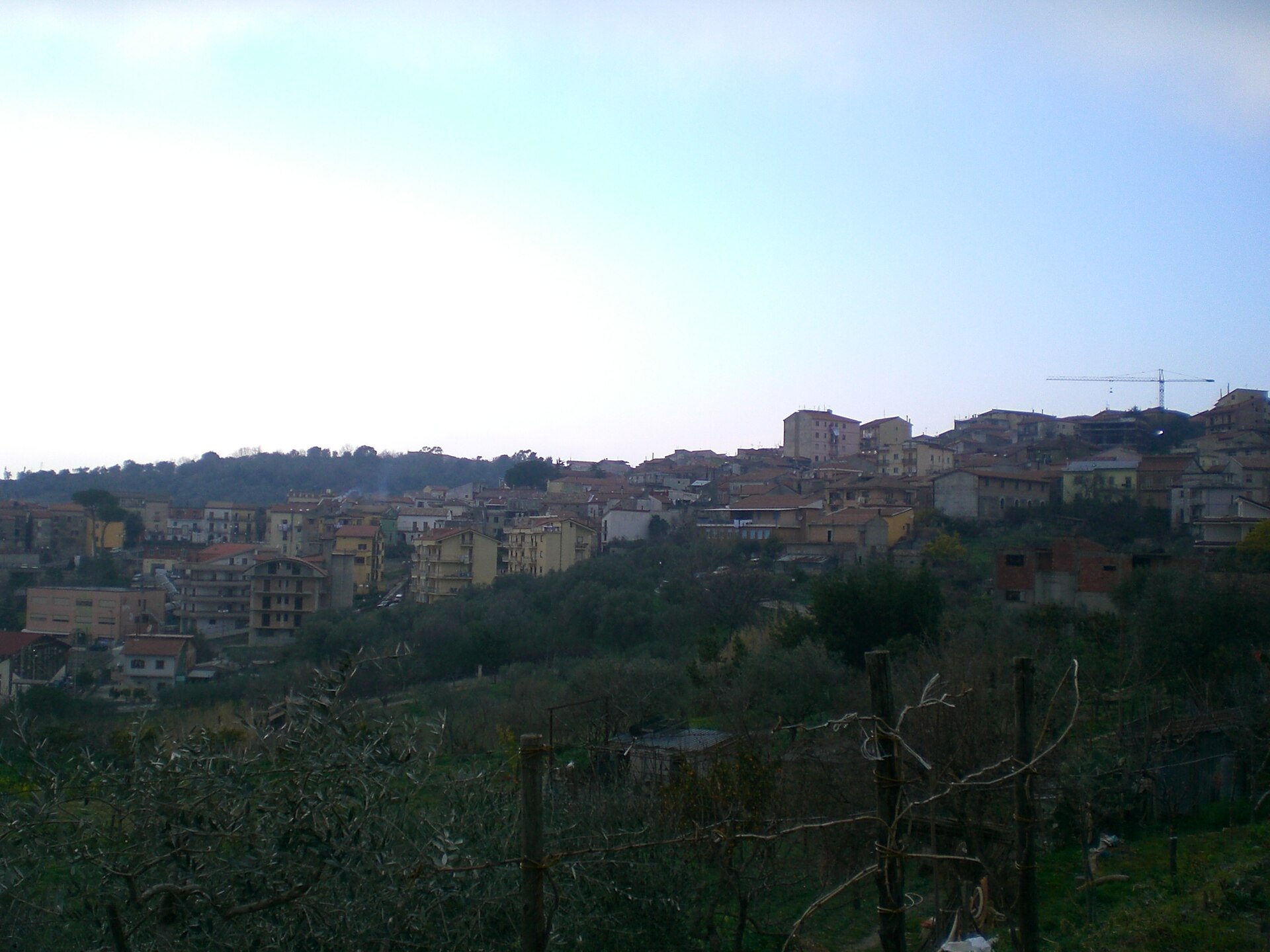
Photo at the top (Serre): Geofix, CC BY-SA 3.0, via Wikimedia Commons.