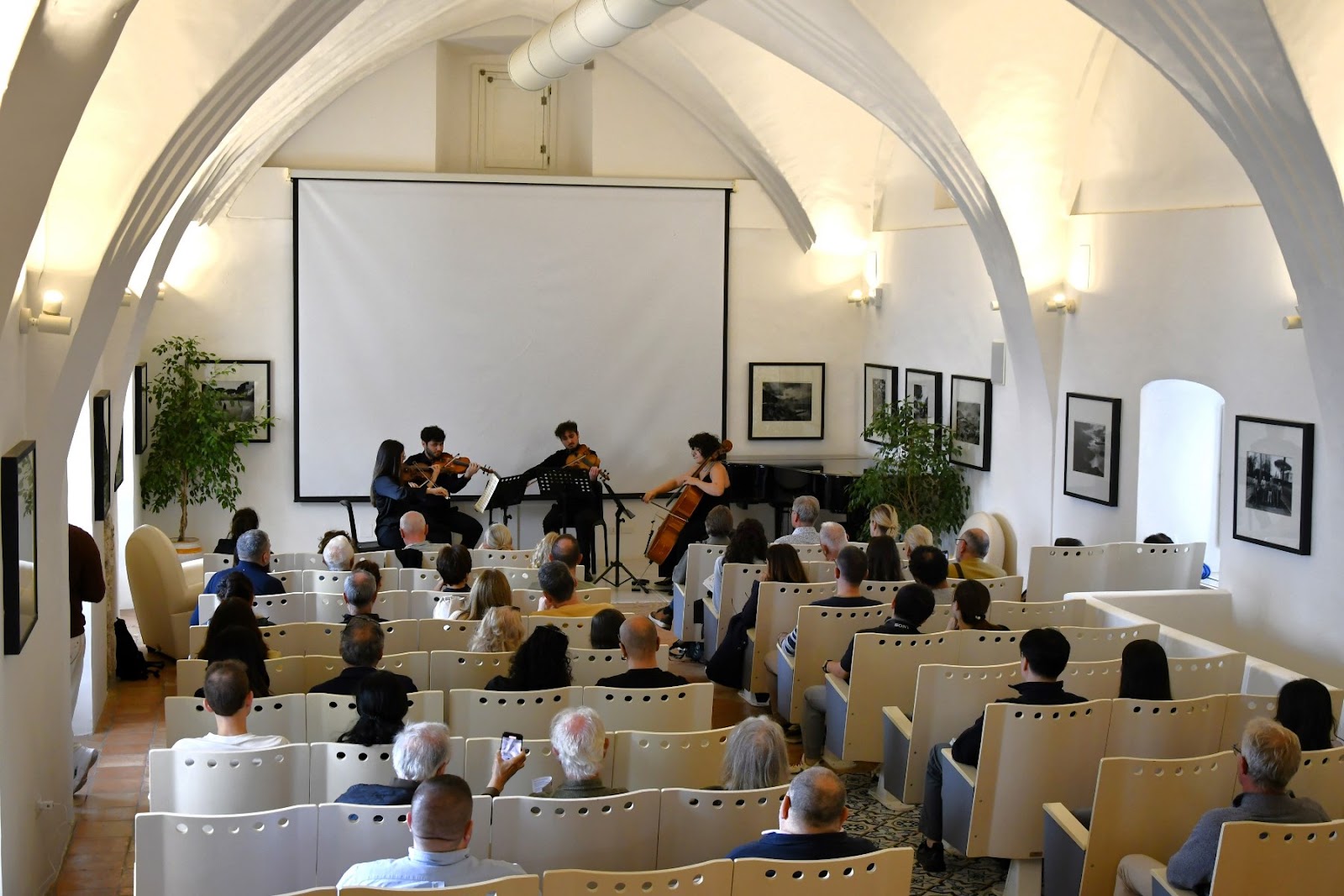
Scalpels, amputation saws, old-fashioned dentist's chairs: the Roberto Papi Museum in Salerno is not a museum for every taste, but it fascinated us. In a city that in the Middle Ages was Europe's capital of medicine, it seemed the right place to discover how people were treated over the last four centuries.
A family collection
The museum is dedicated to Roberto Papi, a collector of rare medical instruments, originally from Rome, who died prematurely. It was his family, in particular his father Mario and his brother Fernando Papi, who made the collection available to the Comune di Salerno, in collaboration with the Province, the University and other local institutions.
It is housed in the historic Palazzo Galdieri, on Via Trotula de Ruggiero: a street named after the most famous of the women physicians of the Scuola Medica Salernitana. Today the museum is run by the Fondazione Scuola Medica Salernitana, the same foundation that manages the Virtual Museum on Via dei Mercanti.
Four centuries of medical instruments
The collection includes medical and surgical instruments dating from the 17th to the 20th century, spread across 14 rooms on two floors. The objects are arranged by discipline: anatomy, anaesthesiology, general surgery and military surgery, neurosurgery, ophthalmology, dentistry, obstetrics and gynaecology, otolaryngology, pulmonology, rehabilitation, traumatology and urology.
Moving from one room to the next, we realised how much medicine has changed in a short time. Some instruments are surprisingly precise, others made us very grateful for modern anaesthesia. A word of warning: more sensitive visitors may find some display cases a little unsettling.
Reconstructed settings
What makes the museum special is its reconstruction of historic settings. It is not just display cases: you walk through a period dental surgery, a field hospital and old pharmacy furnishings, which help you imagine how doctors and apothecaries worked. The route also includes an apothecary's shop, with the substances once used to prepare remedies.
This approach makes the visit livelier than you might expect: it is a museum to look at calmly and with a little curiosity, perhaps after seeing the Virtual Museum, which instead tells the medieval origins of Salerno's medicine.
The museum's symbol and the link with Trotula
Before going in, notice the museum's logo: it depicts a goddess of medicine in tunic and chiton, holding a staff with a serpent and a rooster, ancient symbols linked to healing and the renewal of life. The address has a precise meaning too: Trotula de Ruggiero is the traditional name of the celebrated 11th-century Salerno physician, the best known of the women who taught and practised medicine at the School. A small thread linking these modern display cases to medieval Salerno.
The museum's current status
The museum has gone through some periods of closure. It reopened in December 2023 and then, after a short closure for maintenance of its systems, again in September 2024. According to the most recent news it is open, but with reduced hours and at certain times only by reservation. To avoid finding the door closed, we recommend contacting the Foundation and checking opening times and tickets on the official website before you set off.
How to get there and when to go
Via Trotula de Ruggiero is in Salerno's historic centre, a few steps from Via dei Mercanti and the Duomo, and can be reached on foot from the seafront and the station. As it is an indoor visit, it works in any season. If you are short on time, combine it with the Virtual Museum: a combined ticket for both is usually available.
In the surroundings
To complete your journey through Salerno's medicine, visit The Virtual Museum of the Scuola Medica Salernitana and The Minerva Garden and the Scuola Medica Salernitana. Close by are also San Pietro a Corte and Salerno Cathedral. For the whole province, read our guide Salerno and its surroundings.
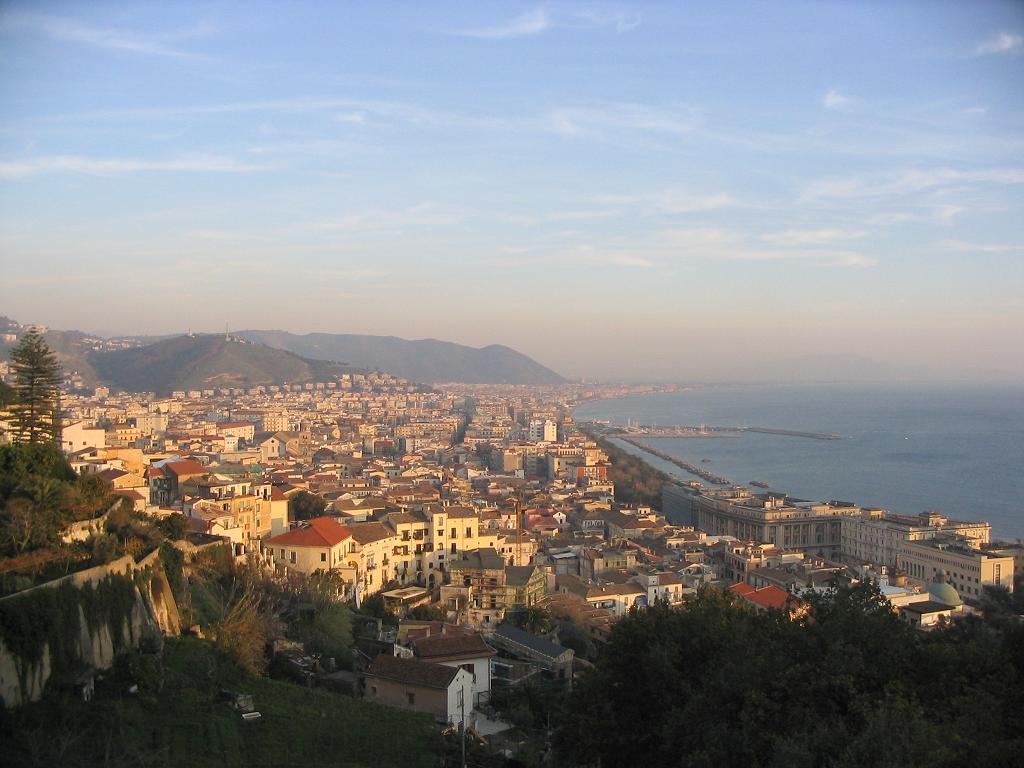
Top photo (Salerno): No machine-readable author provided. Giaros assumed (based on copyright claims)., CC BY-SA 3.0, via Wikimedia Commons.