Archaeological site
Medieval Aqueduct of Salerno
L'acquedotto longobardo con gli archi ogivali, chiamato «ponti del diavolo».
Palace · Salerno (SA)
Palace begun in the 16th century beside the walls and the Porta degli Angeli, renovated in the 18th century with an elegant Rococo staircase.
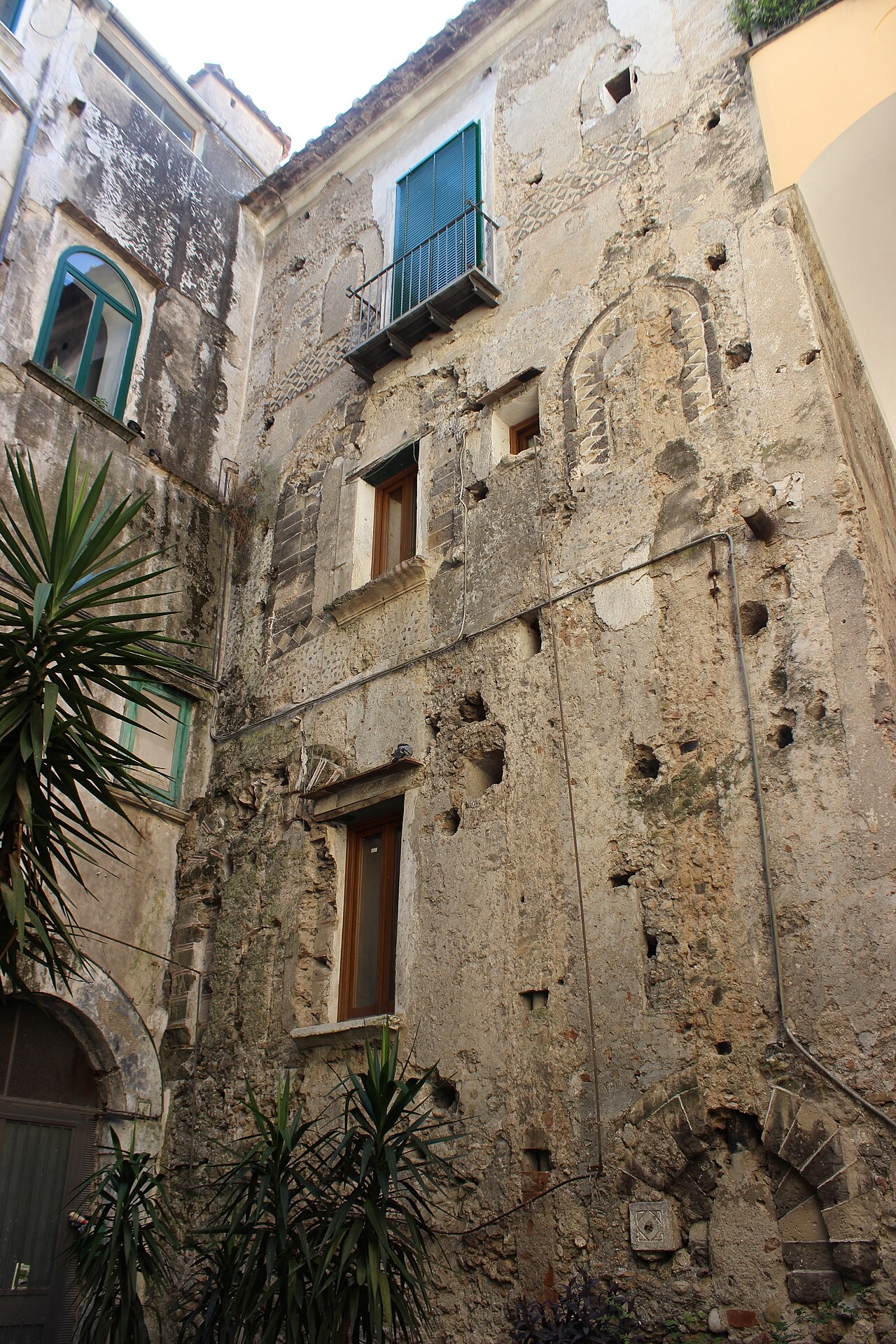
The palace we see on Via Roma is the result of successive extensions. The oldest core dates back to the 16th century and is the innermost part, entered from Via Masuccio Salernitano, which at the time lay right against the defensive walls and the Porta degli Angeli. In the 17th century some warehouses were added against the walls, but the real transformation came in the 18th century.That was when the palace was renovated in Rococo style, to a design attributed to the Neapolitan Giovanni Martino Buonocore. To him we owe the beautiful pincer staircase with loggias on arches and cross vaults, still admired in the first of the two courtyards. We recommend peeking into the courtyard to discover it: it seems to us one of the most elegant details of 18th-century Salerno.
Do you have a photo of this place? Send it to us: we will publish it with your name.
Archaeological site
L'acquedotto longobardo con gli archi ogivali, chiamato «ponti del diavolo».
Museum
L'antico abitato etrusco-sannita sulla collina di Fratte, a Salerno.
Tower
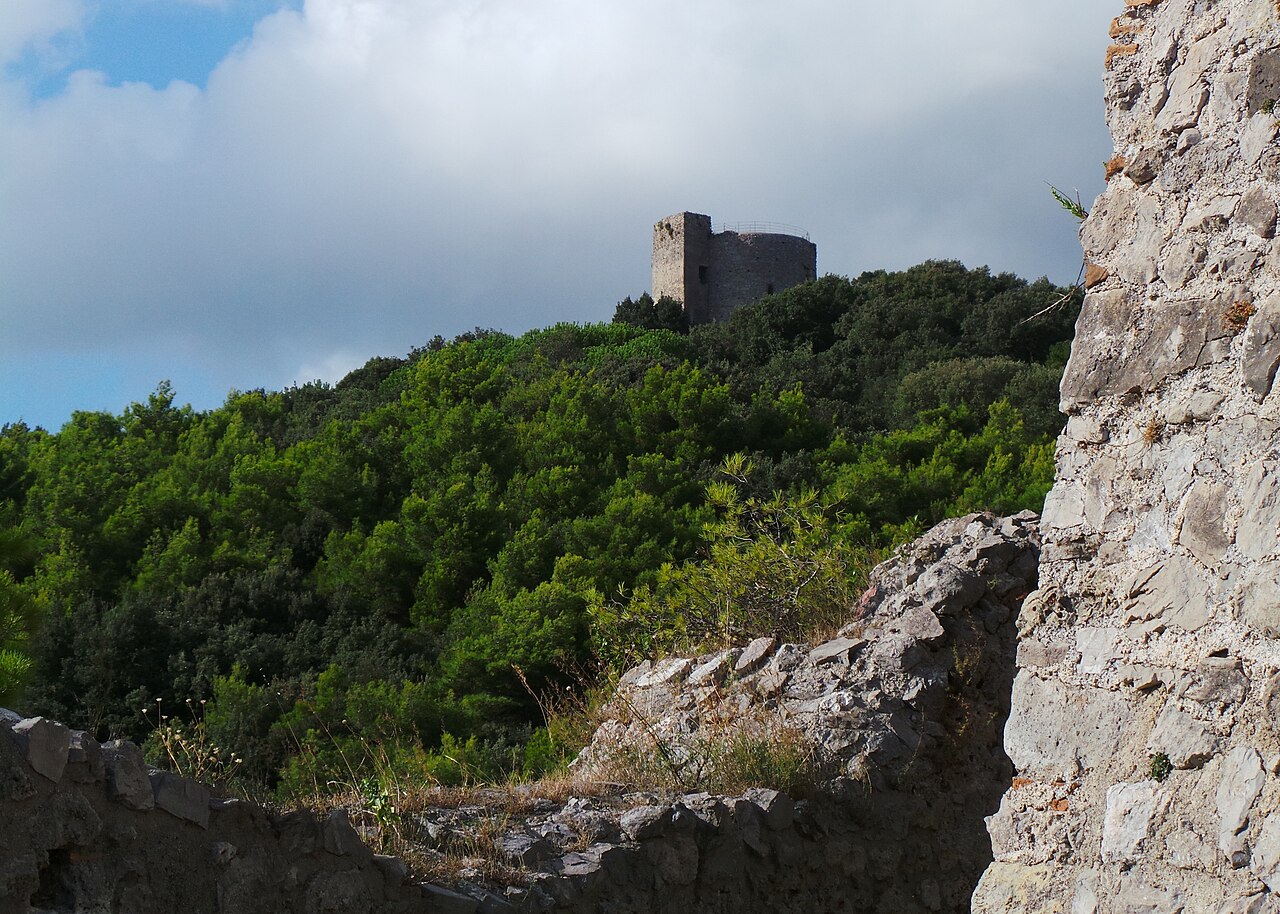
La torre circolare voluta da Gisulfo II per resistere all'assedio di Roberto il Guiscardo.
Church
Cappella medievale con volte a crociera affrescate, riscoperta nel 2009 sotto l'Archivio di Stato, con l'immagine di San Ludovico d'Angiò.
Castle
Il castello medievale sulla collina sopra Salerno, con la vista sul golfo e sulla città.
Church
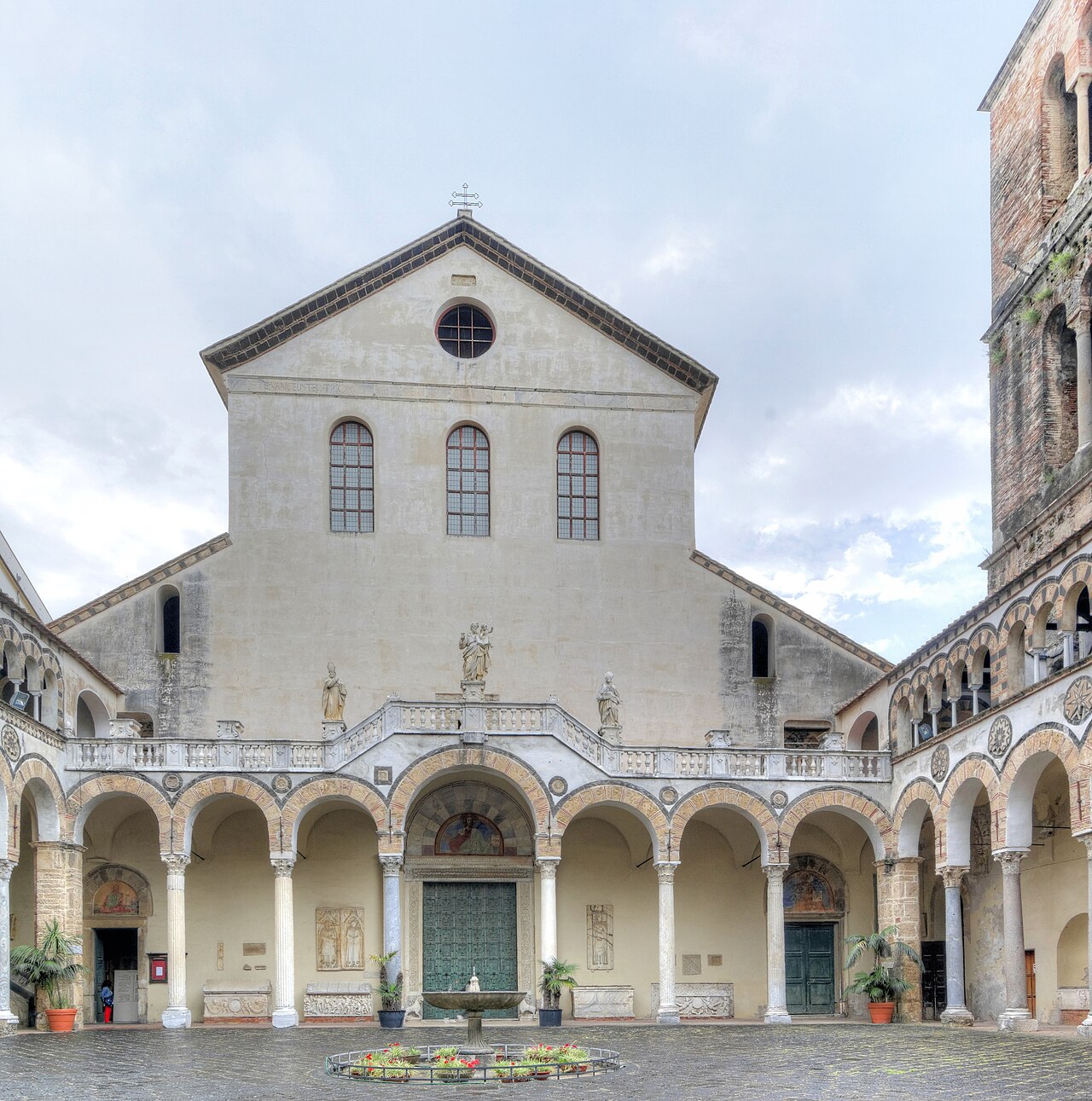
Il Duomo di Salerno dedicato a san Matteo, con il quadriportico e la cripta barocca.
Church
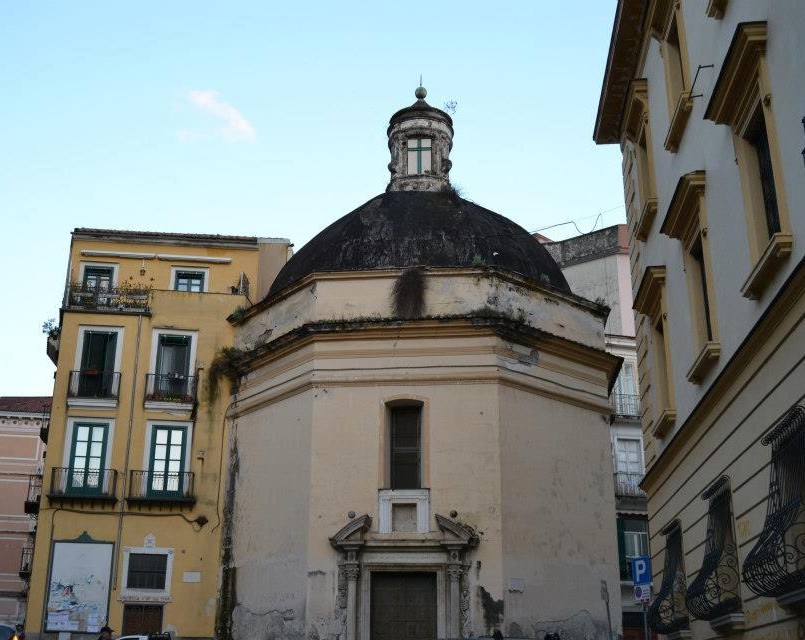
La «chiesa dei Morticelli» in largo Plebiscito a Salerno, una delle quattro chiese rinascimentali della città.
Itineraries, events and flavours: an email now and then, no pushy advertising.