Archaeological site
Medieval Aqueduct of Salerno
L'acquedotto longobardo con gli archi ogivali, chiamato «ponti del diavolo».
Palace · Salerno (SA)
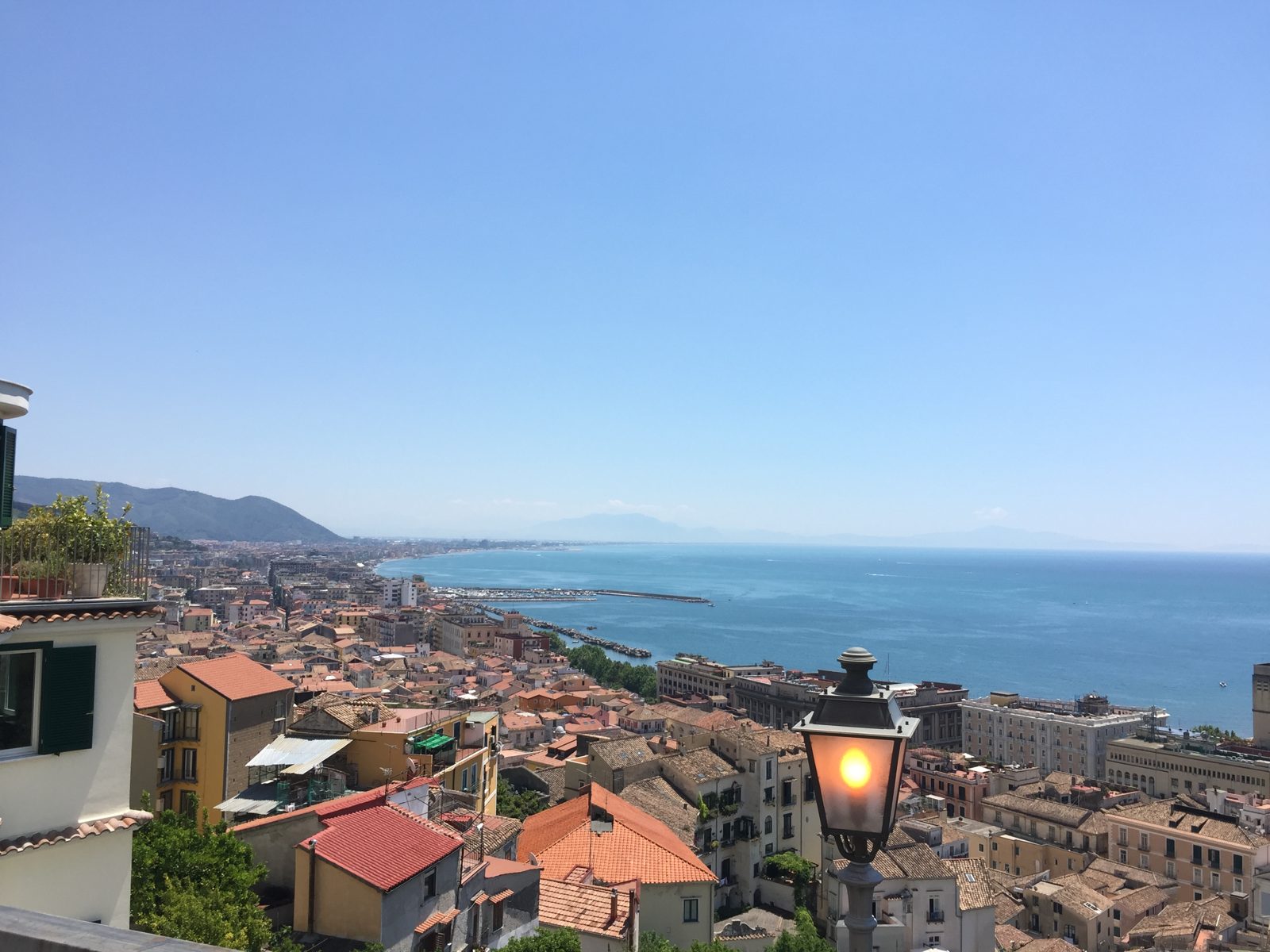
19th-century red-stone building born as a hotel on the old Via Marina, raised in 1950 and nicknamed the Skyscraper.
Palazzo Grasso dates from the second half of the 19th century, when its red stone silhouette stood out along what was then Via Marina, overlooking the sea and the road to Naples. It was built as a hotel on the initiative of the English community living in Naples, and for decades it welcomed travellers visiting the city. Buildings from the Fascist era later took away its direct view of the sea.Until 1934 it kept its original appearance, still recognisable in the four lower floors. After the war it was enlarged and, in 1950, raised: thanks to its height it was for a long time the tallest building in Salerno, so much so that it was called the Skyscraper (il Grattacielo). We recommend looking for the difference between the 19th-century part and the one added later.
Do you have a photo of this place? Send it to us: we will publish it with your name.
Archaeological site
L'acquedotto longobardo con gli archi ogivali, chiamato «ponti del diavolo».
Museum
L'antico abitato etrusco-sannita sulla collina di Fratte, a Salerno.
Tower
La torre circolare voluta da Gisulfo II per resistere all'assedio di Roberto il Guiscardo.
Church
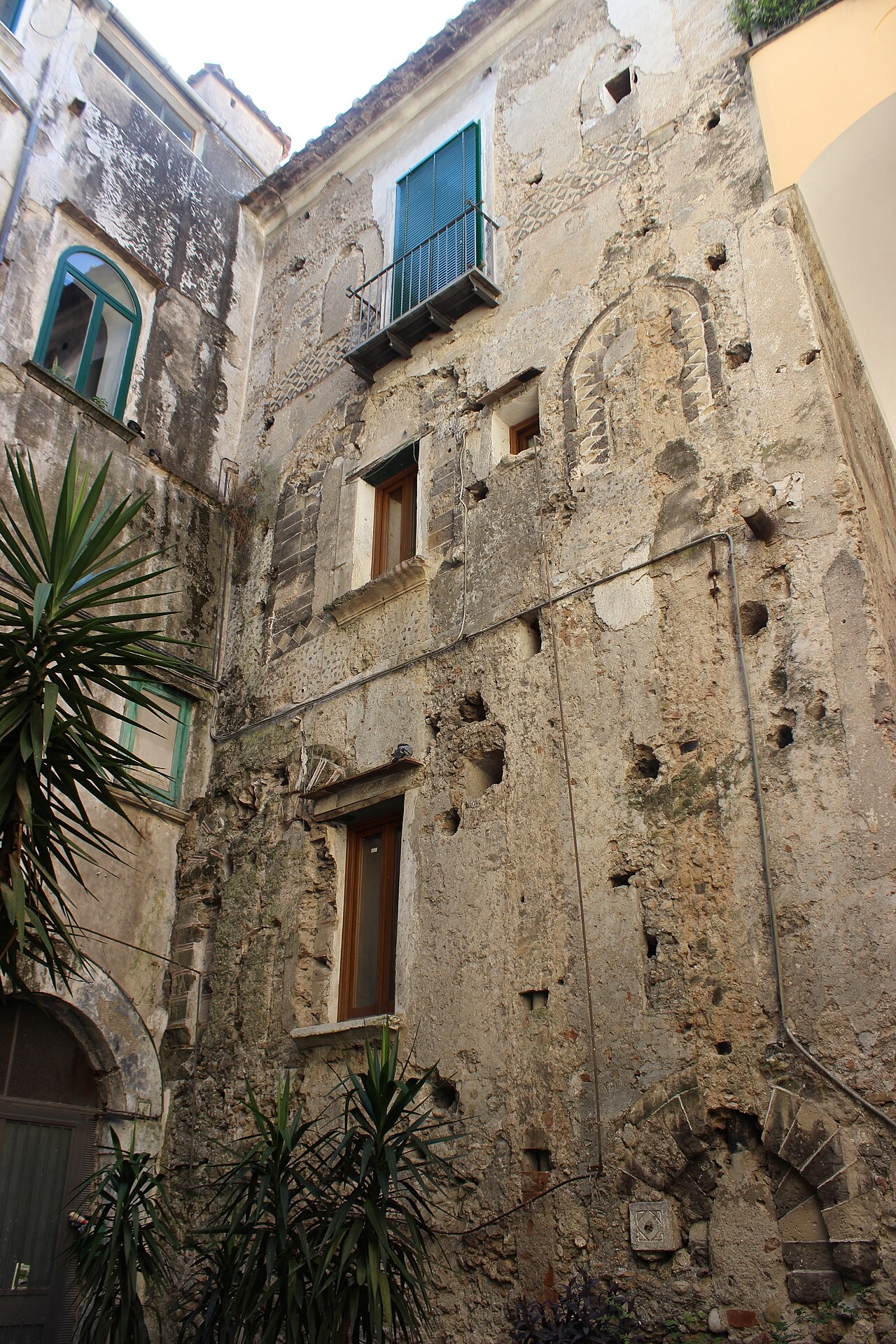
Cappella medievale con volte a crociera affrescate, riscoperta nel 2009 sotto l'Archivio di Stato, con l'immagine di San Ludovico d'Angiò.
Castle
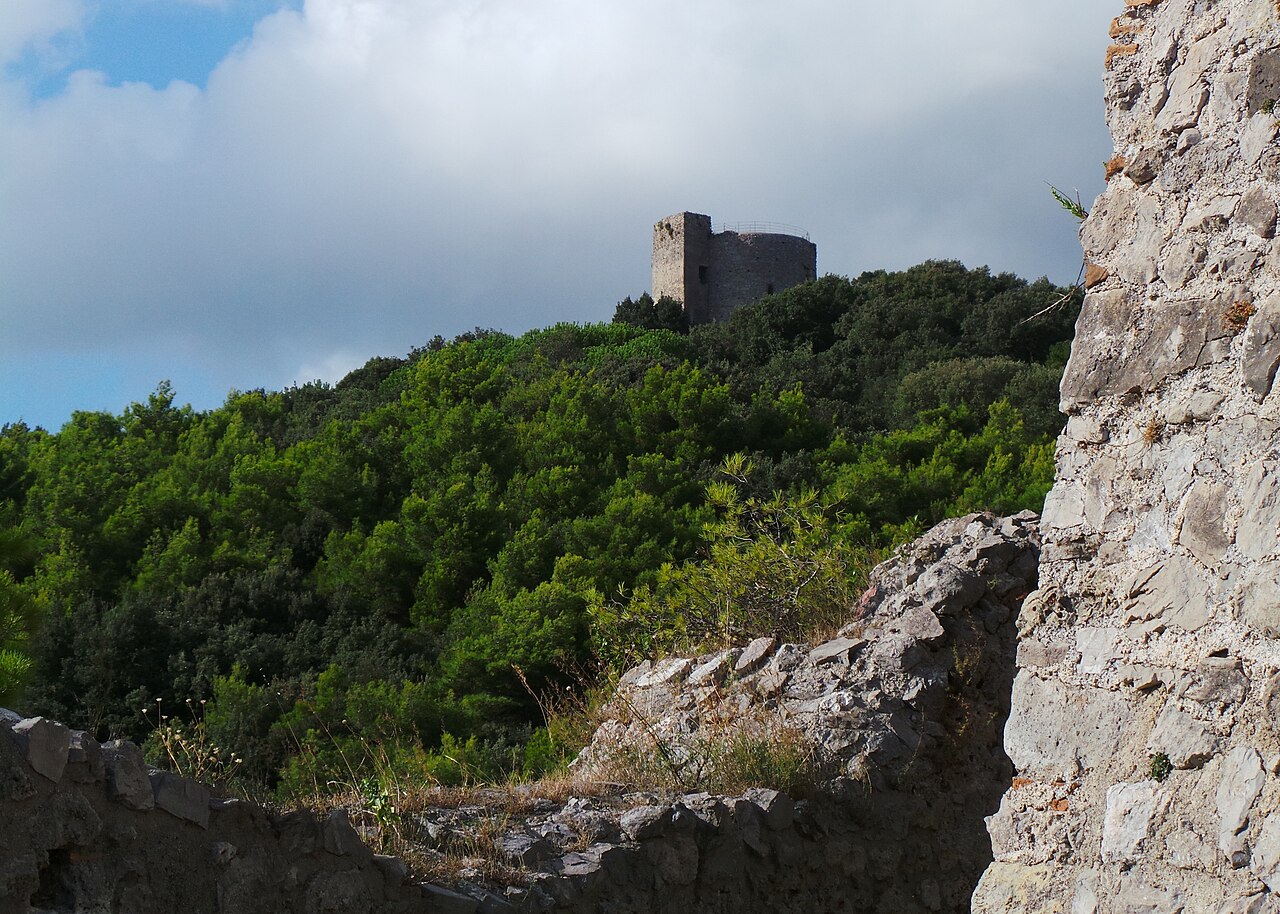
Il castello medievale sulla collina sopra Salerno, con la vista sul golfo e sulla città.
Church
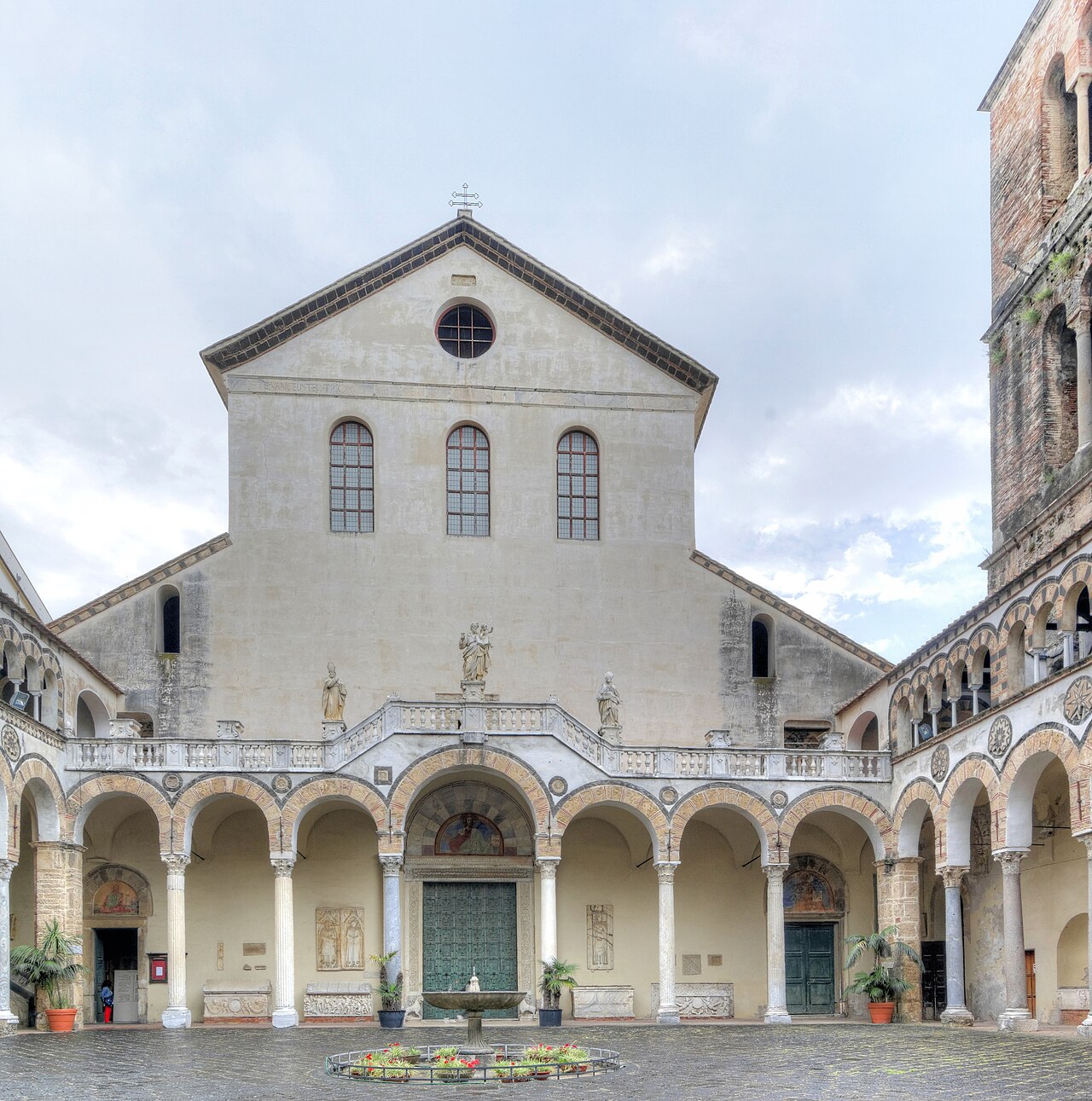
Il Duomo di Salerno dedicato a san Matteo, con il quadriportico e la cripta barocca.
Church
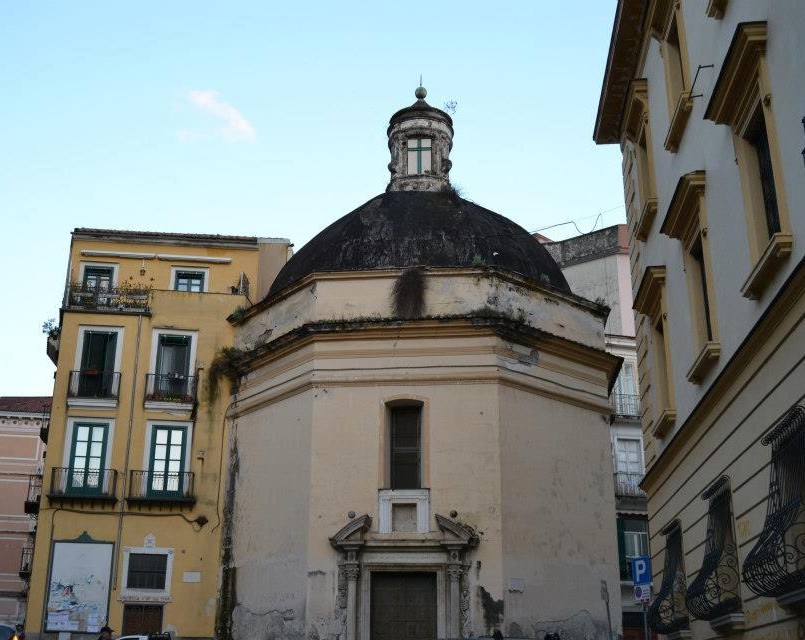
La «chiesa dei Morticelli» in largo Plebiscito a Salerno, una delle quattro chiese rinascimentali della città.
Itineraries, events and flavours: an email now and then, no pushy advertising.