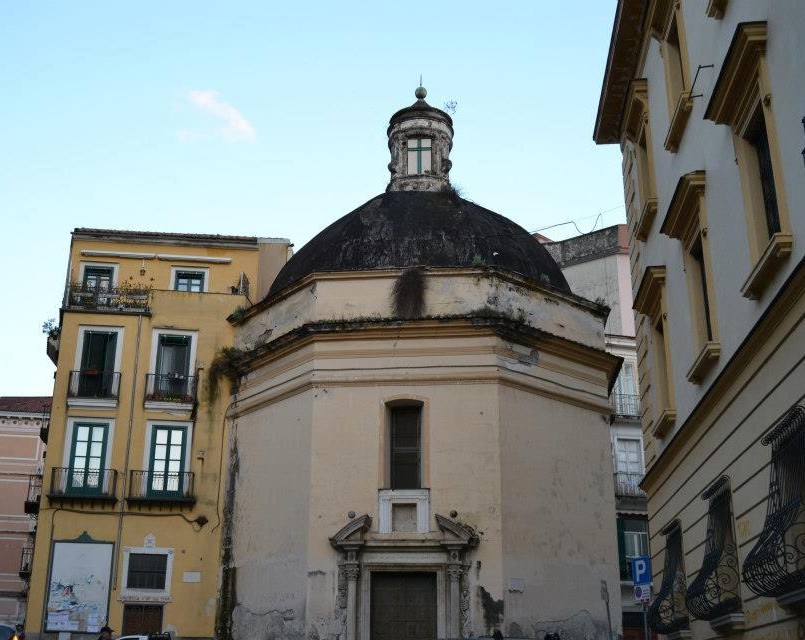
Archaeological site
Medieval Aqueduct of Salerno
L'acquedotto longobardo con gli archi ogivali, chiamato «ponti del diavolo».
Palace · Salerno (SA)
An elegant Neo-Renaissance palace from the 1910s, the first major building on the new Corso Vittorio Emanuele.
Strolling along Corso Vittorio Emanuele, it is worth stopping in front of Palazzo Barracano. It was the first important building on the city's new thoroughfare, created between the second half of the 19th century and the first half of the 20th. We like it because it tells the story of modern Salerno, the city that looked to port trade and economic growth after Italian Unification.It was commissioned by Luigi Vincenzo Francesco Barracano, who took the family from small trade to major international commerce with the East, as a tangible sign of this rise. Built in the early 1910s, the palace wears an elegant Neo-Renaissance dress. We recommend taking time to look at its façade, which can be admired from the street.
Do you have a photo of this place? Send it to us: we will publish it with your name.
Archaeological site
L'acquedotto longobardo con gli archi ogivali, chiamato «ponti del diavolo».
Museum
L'antico abitato etrusco-sannita sulla collina di Fratte, a Salerno.
Tower
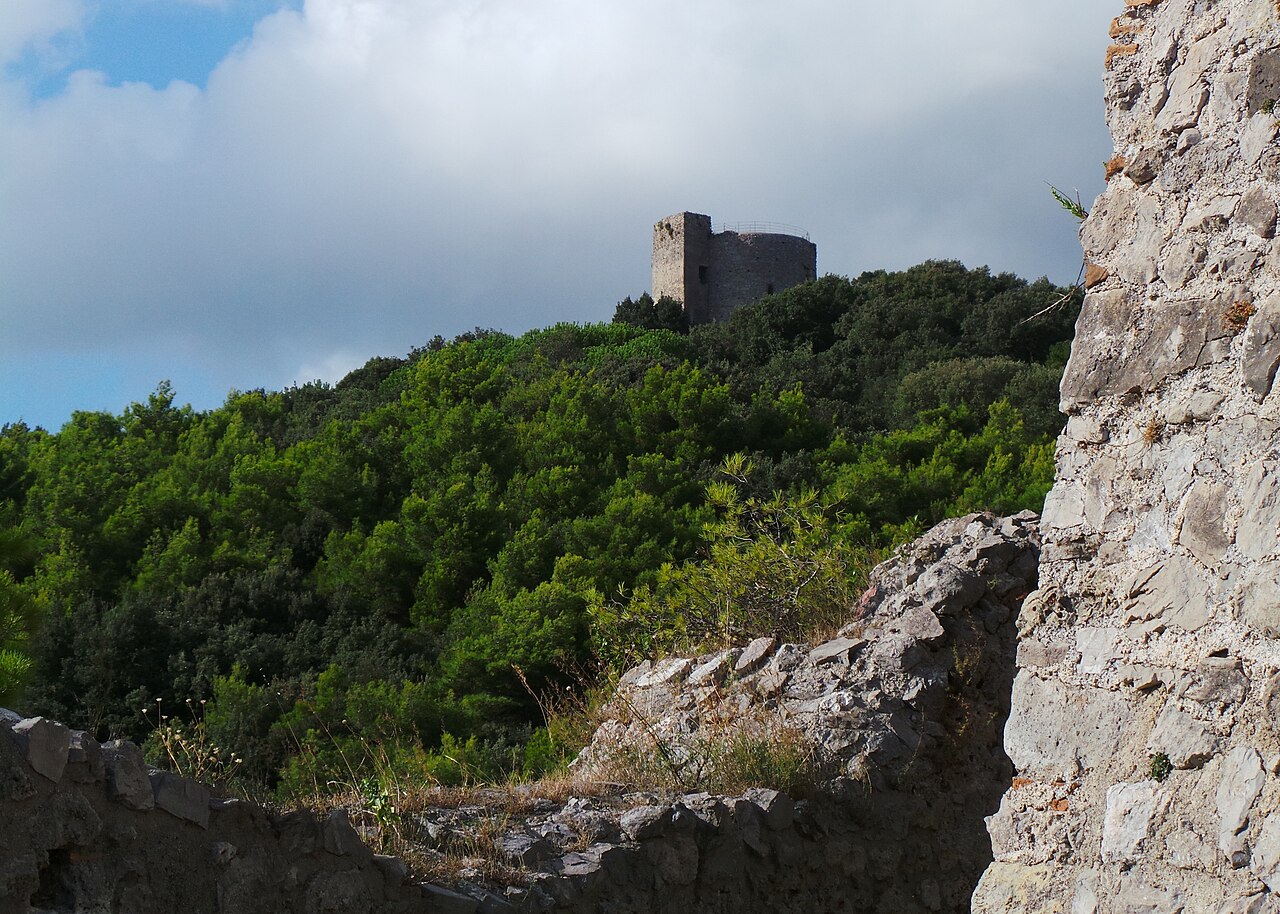
La torre circolare voluta da Gisulfo II per resistere all'assedio di Roberto il Guiscardo.
Church
Cappella medievale con volte a crociera affrescate, riscoperta nel 2009 sotto l'Archivio di Stato, con l'immagine di San Ludovico d'Angiò.
Castle
Il castello medievale sulla collina sopra Salerno, con la vista sul golfo e sulla città.
Church
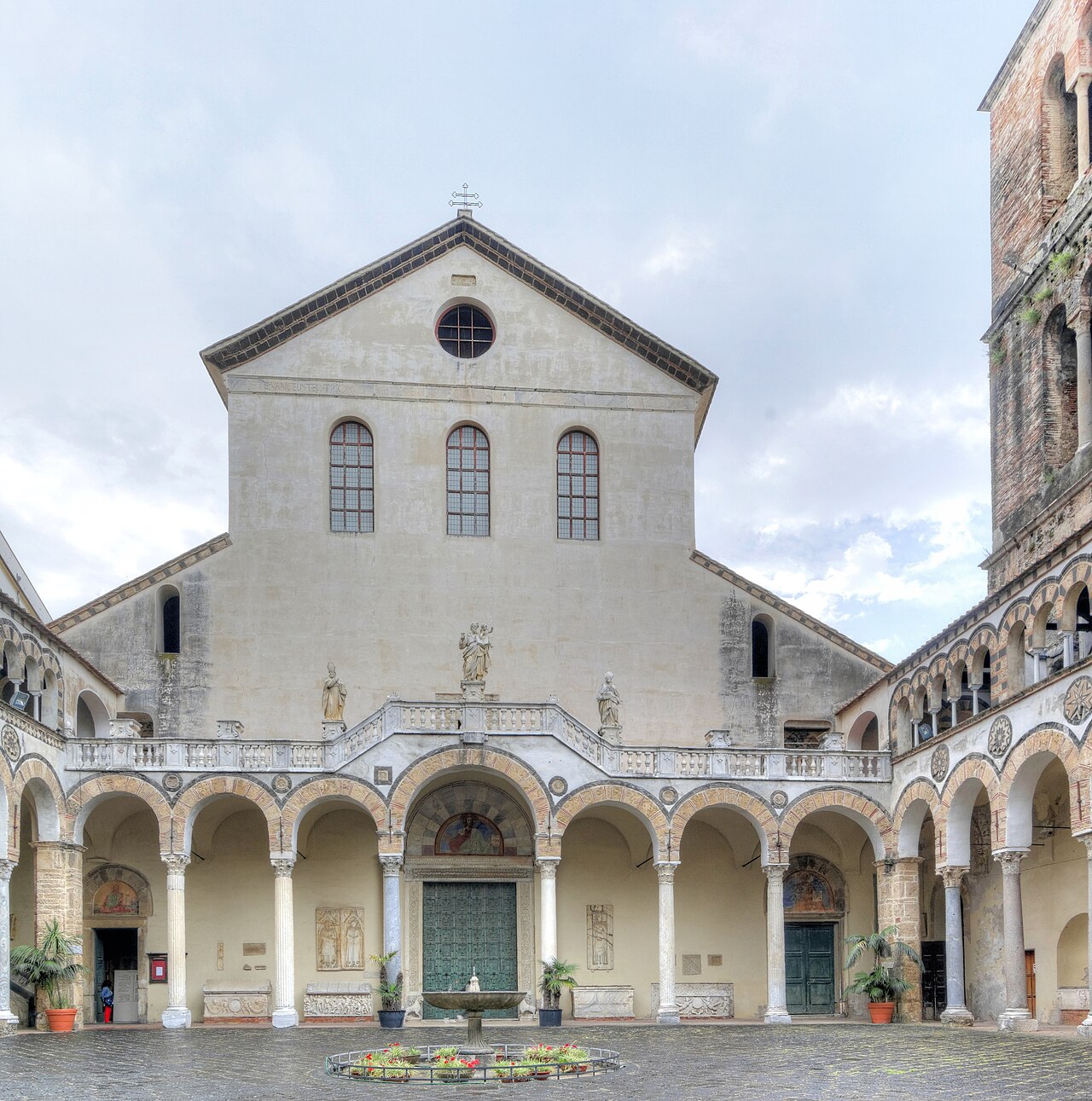
Il Duomo di Salerno dedicato a san Matteo, con il quadriportico e la cripta barocca.
Church
La «chiesa dei Morticelli» in largo Plebiscito a Salerno, una delle quattro chiese rinascimentali della città.
Itineraries, events and flavours: an email now and then, no pushy advertising.