Archaeological site
Medieval Aqueduct of Salerno
L'acquedotto longobardo con gli archi ogivali, chiamato «ponti del diavolo».
Palace · Salerno (SA)
Neo-Gothic building from 1919 on the city seafront, with elegant pointed-arch mullioned windows and slender columns.
The building was designed in 1919 by the Neapolitan architect Gaetano Romano on one of the plots created when the urban beach was redeveloped, along what was then Corso Garibaldi. The clients asked for an unusual solution: dividing the building into two perfectly symmetrical halves, sharing only the entrance hall, the staircase and access to the roofs, which were themselves split into equal parts.We like this building because it is a fine example of the eclectic taste that marked Salerno in the first twenty years of the 20th century. We recommend looking at the neo-Gothic façade, with its pointed-arch mullioned windows supported by slender columns: a refined detail you can admire while strolling along Via Roma.
Do you have a photo of this place? Send it to us: we will publish it with your name.
Archaeological site
L'acquedotto longobardo con gli archi ogivali, chiamato «ponti del diavolo».
Museum
L'antico abitato etrusco-sannita sulla collina di Fratte, a Salerno.
Tower
La torre circolare voluta da Gisulfo II per resistere all'assedio di Roberto il Guiscardo.
Church
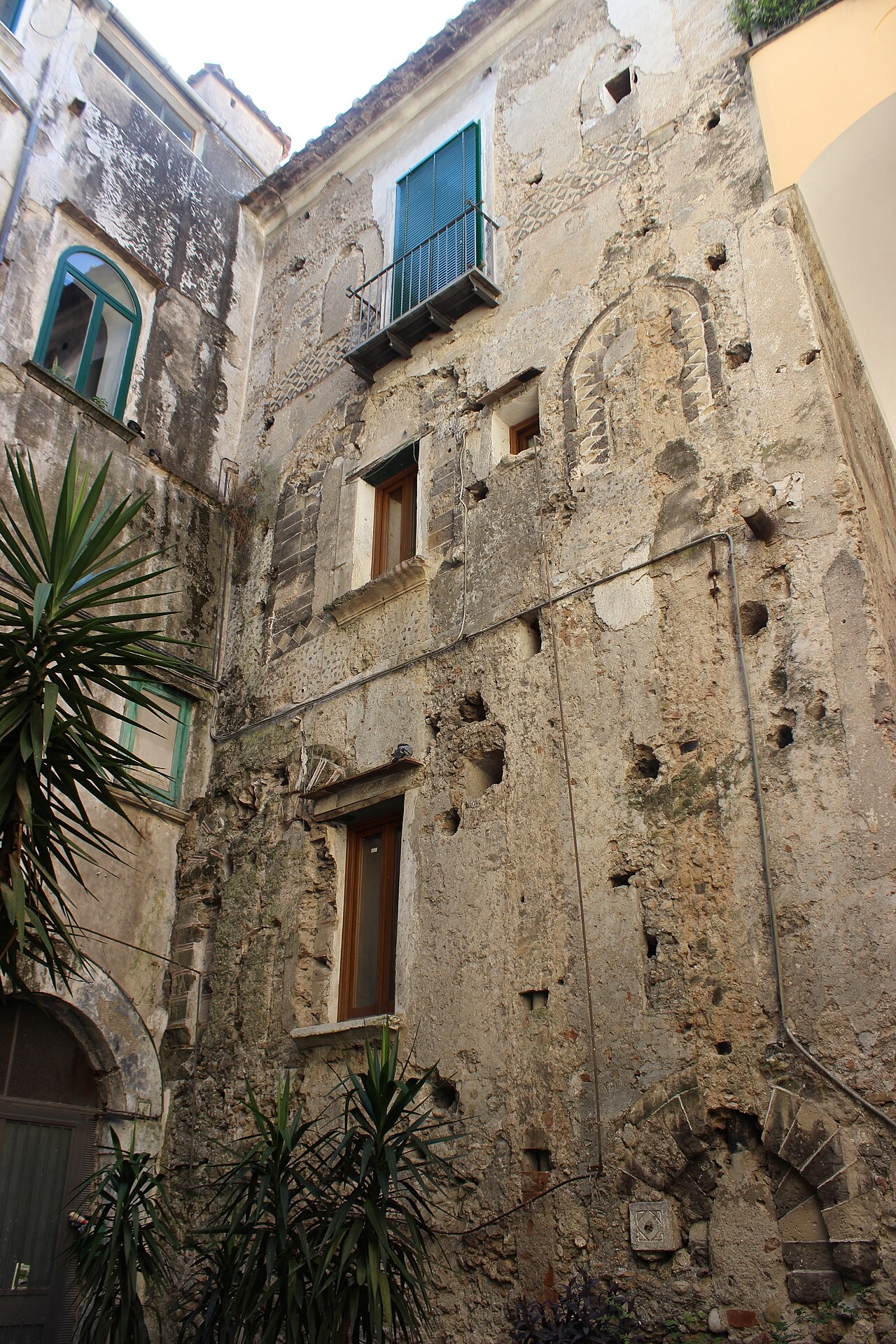
Cappella medievale con volte a crociera affrescate, riscoperta nel 2009 sotto l'Archivio di Stato, con l'immagine di San Ludovico d'Angiò.
Castle
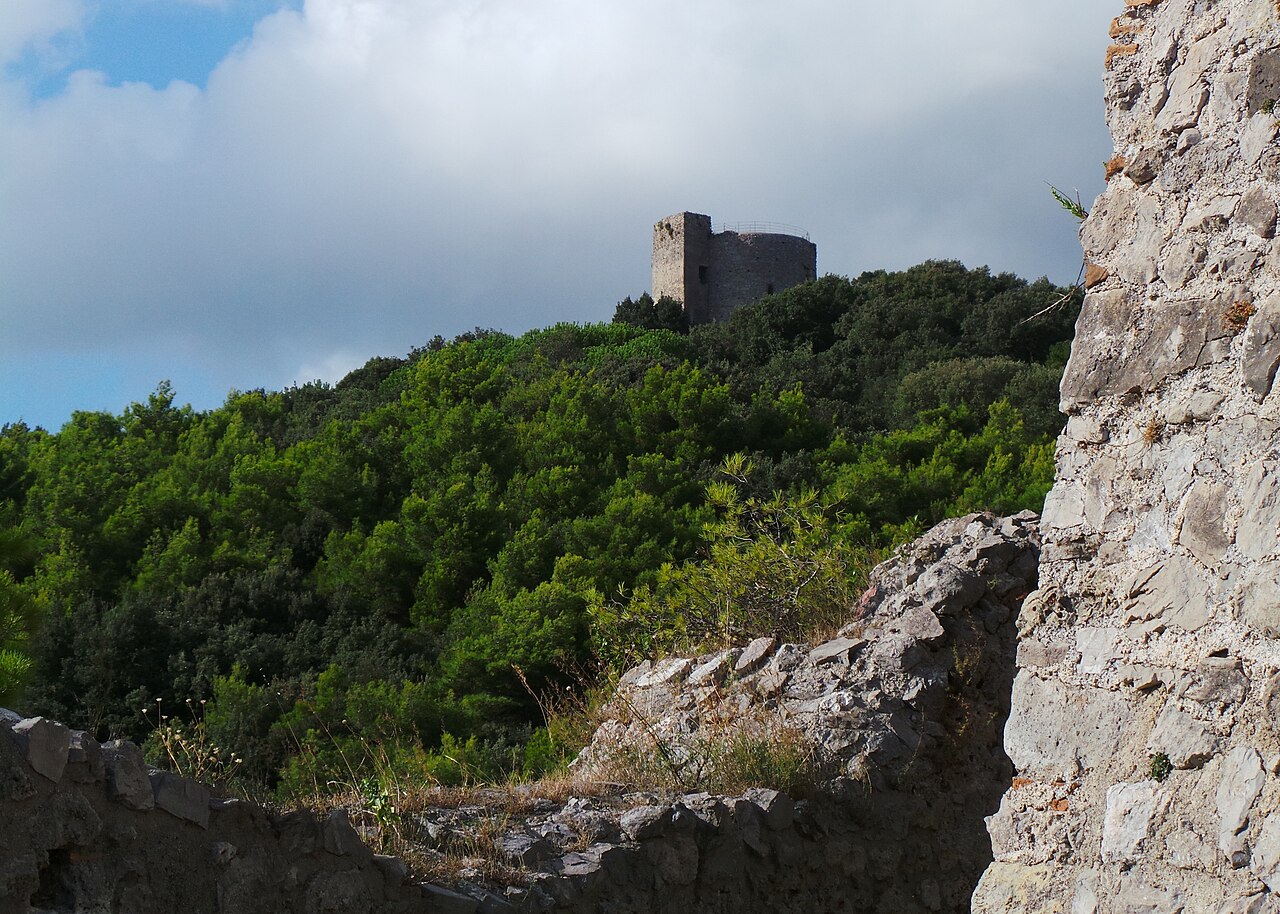
Il castello medievale sulla collina sopra Salerno, con la vista sul golfo e sulla città.
Church
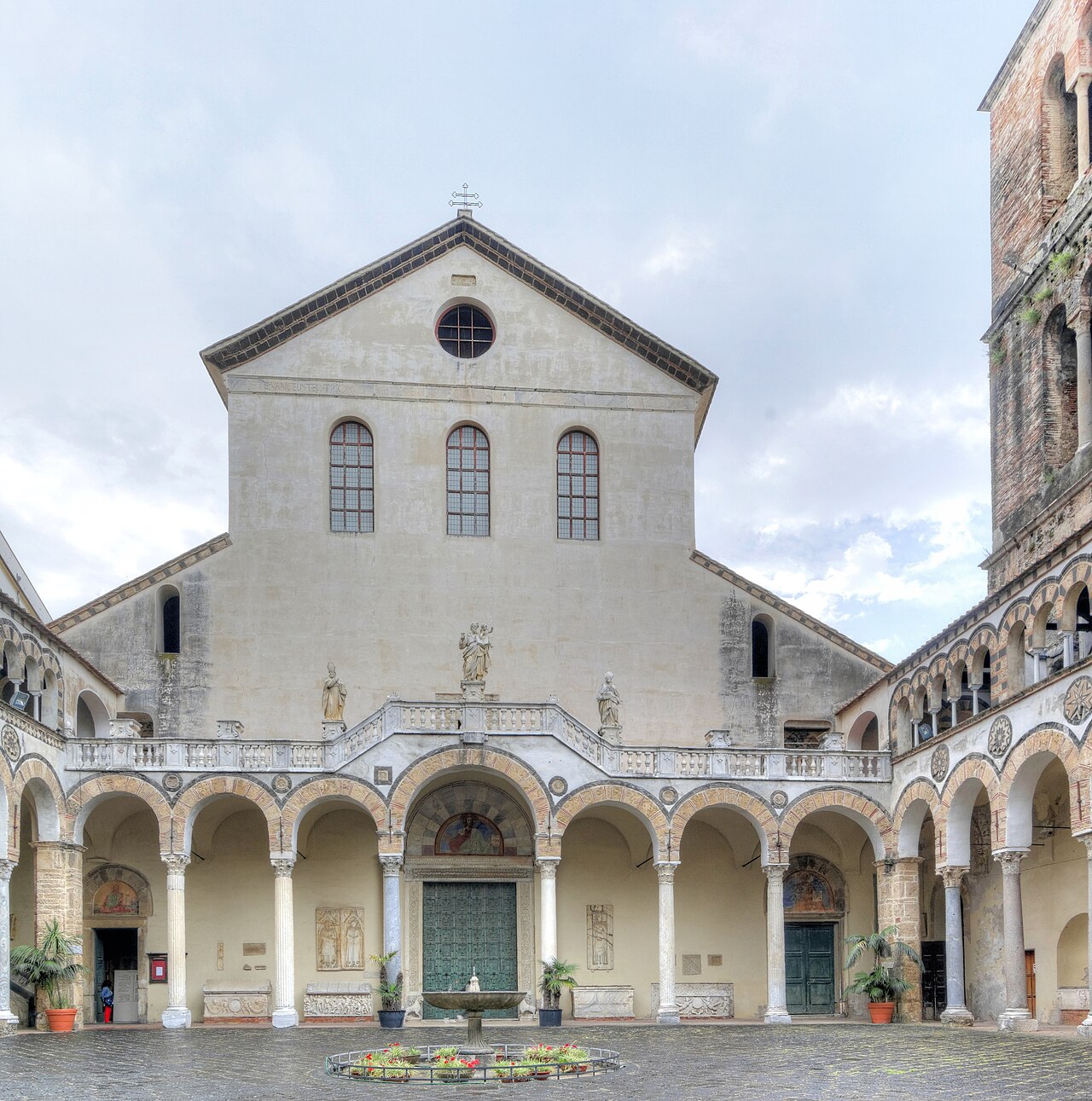
Il Duomo di Salerno dedicato a san Matteo, con il quadriportico e la cripta barocca.
Church
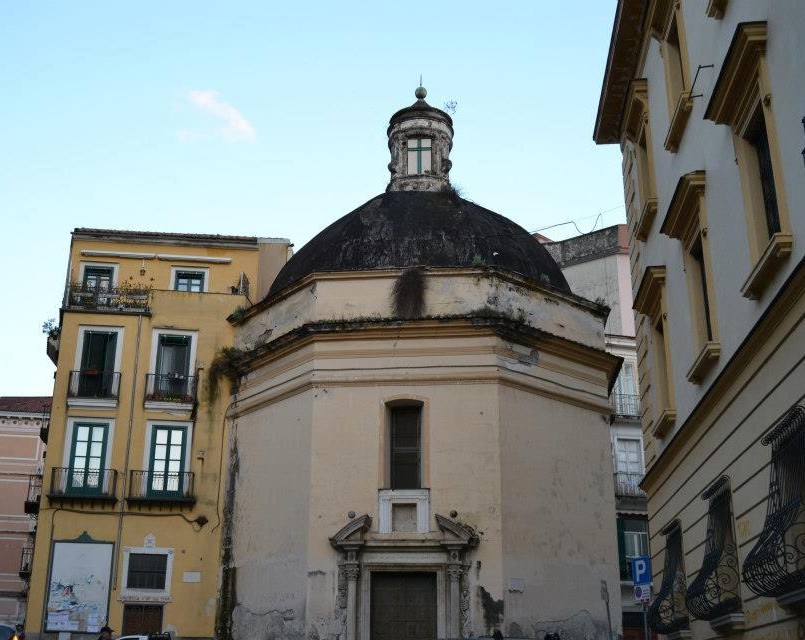
La «chiesa dei Morticelli» in largo Plebiscito a Salerno, una delle quattro chiese rinascimentali della città.
Itineraries, events and flavours: an email now and then, no pushy advertising.