Archaeological site
Medieval Aqueduct of Salerno
L'acquedotto longobardo con gli archi ogivali, chiamato «ponti del diavolo».
Palace · Salerno (SA)
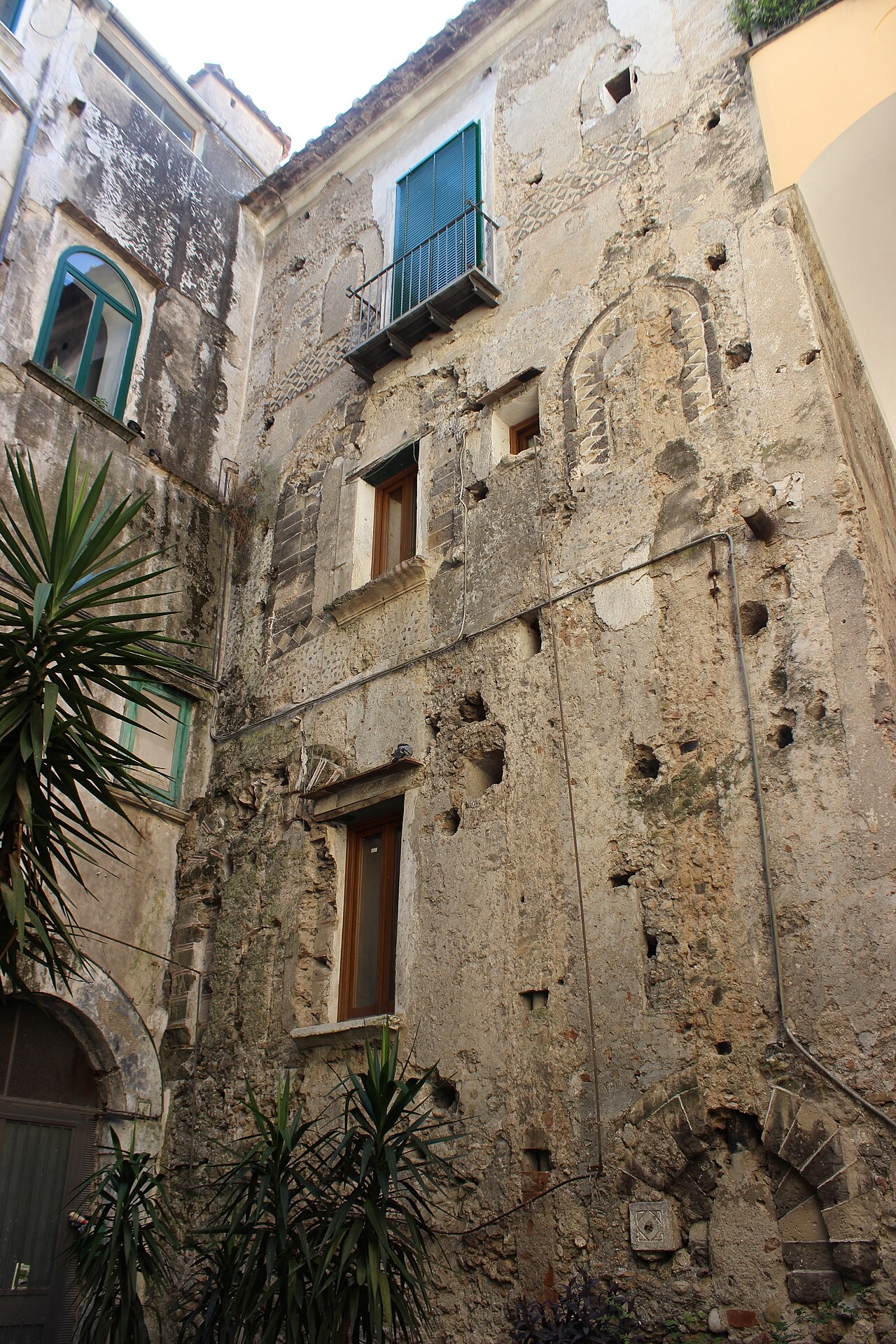
Salerno's former Seminary, founded in 1563, now houses the Diocesan Museum, Archive and Library, with the famous cycle of medieval ivories.
North of Salerno Cathedral stands the former Archiepiscopal Seminary, founded in 1563 by Archbishop Gaspare Cervantes after the Council of Trent. The building was also the last seat of the famous Schola Medica Salernitana, suppressed in 1811, and took on its present form in 1832, when it was raised and given a new façade. After the restoration that followed the 1980 earthquake it became home to the diocesan museum, archive and library.We recommend taking your time over the San Matteo Diocesan Museum: here you can admire the cycle of the Salerno ivories from the 11th and 12th centuries, among the most complete of the Christian Middle Ages, together with the illuminated sheets of the early 13th-century Exultet, panel paintings from the 14th to the 16th century and works by Andrea Sabatini.
Do you have a photo of this place? Send it to us: we will publish it with your name.
Archaeological site
L'acquedotto longobardo con gli archi ogivali, chiamato «ponti del diavolo».
Museum
L'antico abitato etrusco-sannita sulla collina di Fratte, a Salerno.
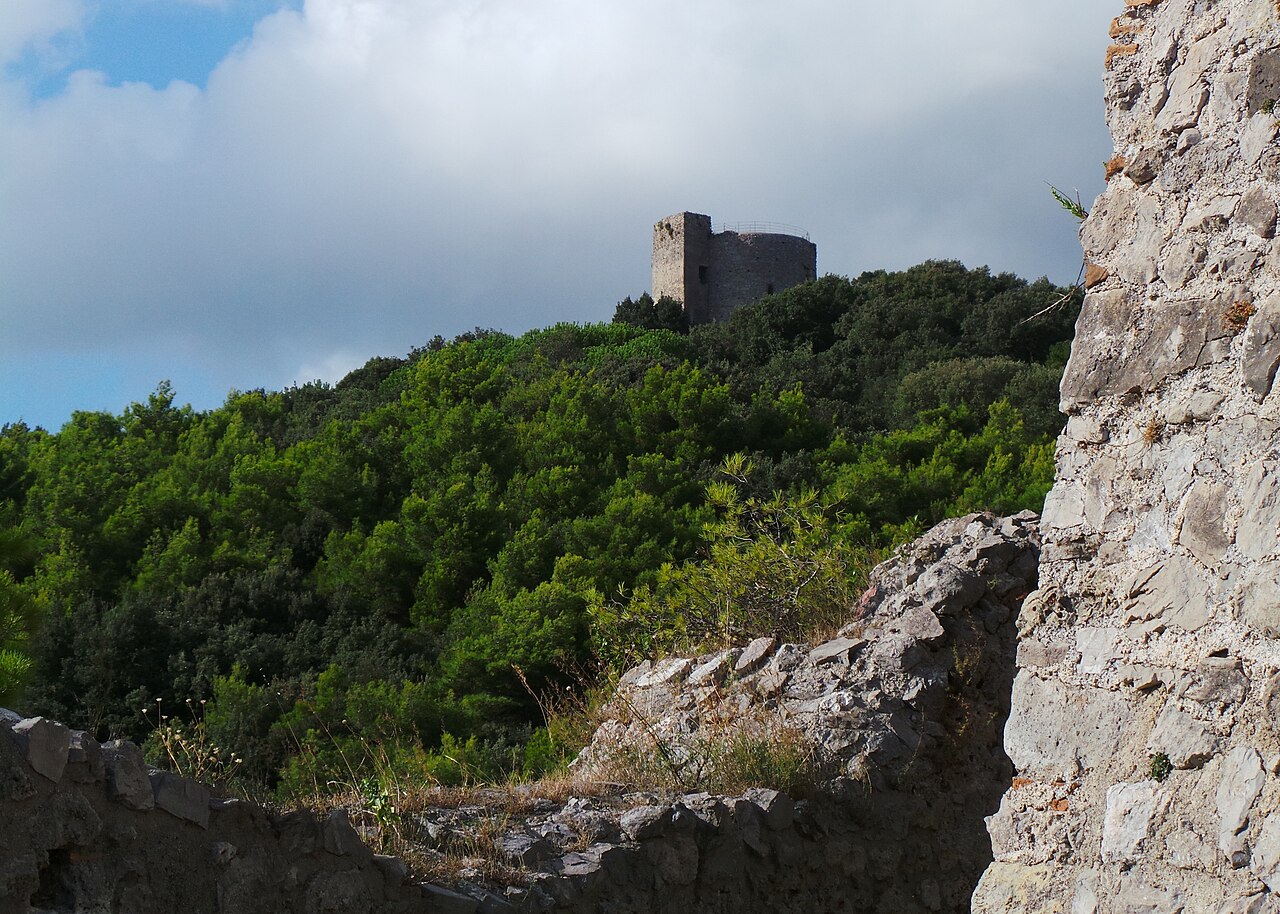
Tower
La torre circolare voluta da Gisulfo II per resistere all'assedio di Roberto il Guiscardo.
Church
Cappella medievale con volte a crociera affrescate, riscoperta nel 2009 sotto l'Archivio di Stato, con l'immagine di San Ludovico d'Angiò.
Castle
Il castello medievale sulla collina sopra Salerno, con la vista sul golfo e sulla città.
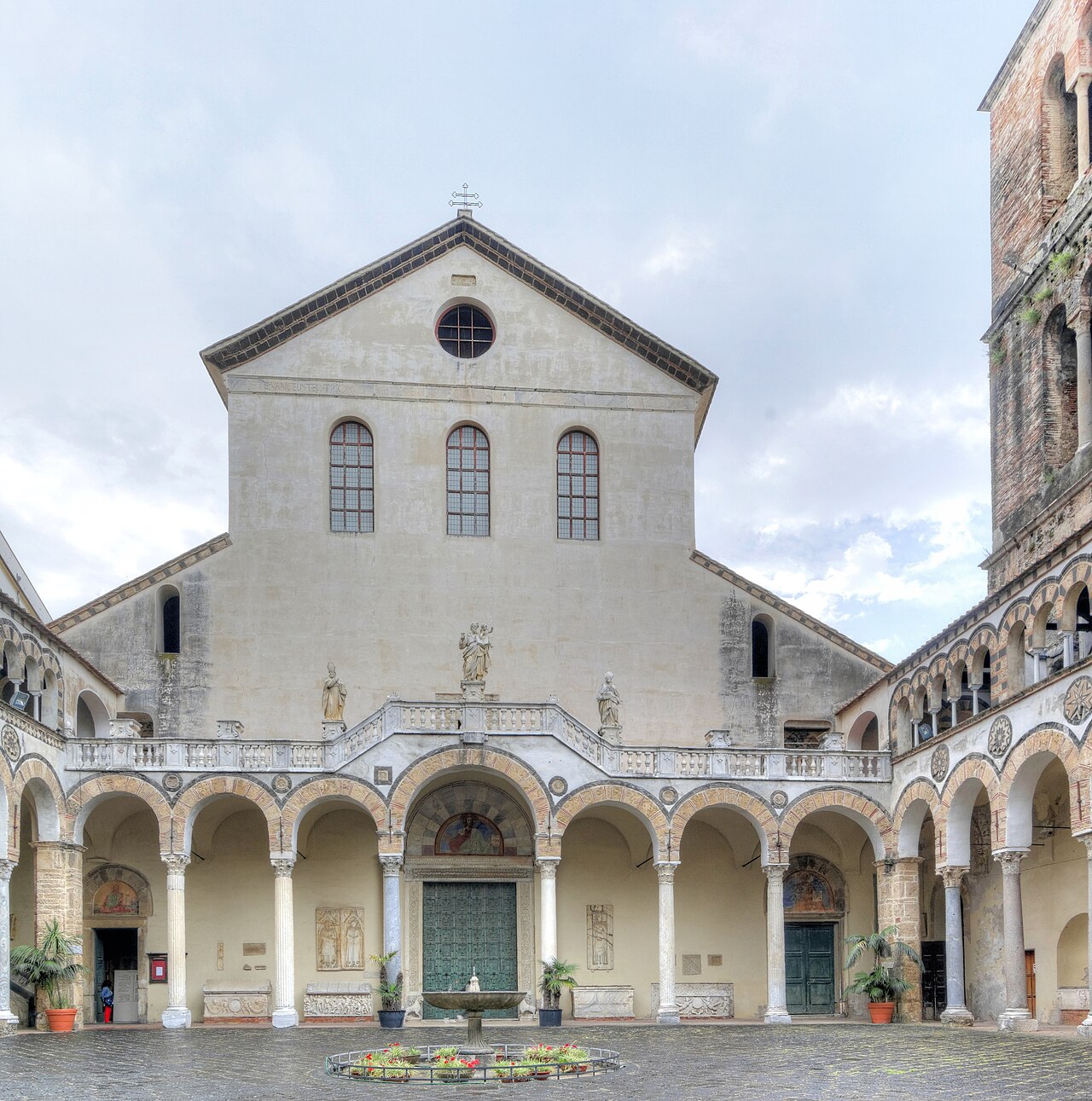
Church
Il Duomo di Salerno dedicato a san Matteo, con il quadriportico e la cripta barocca.
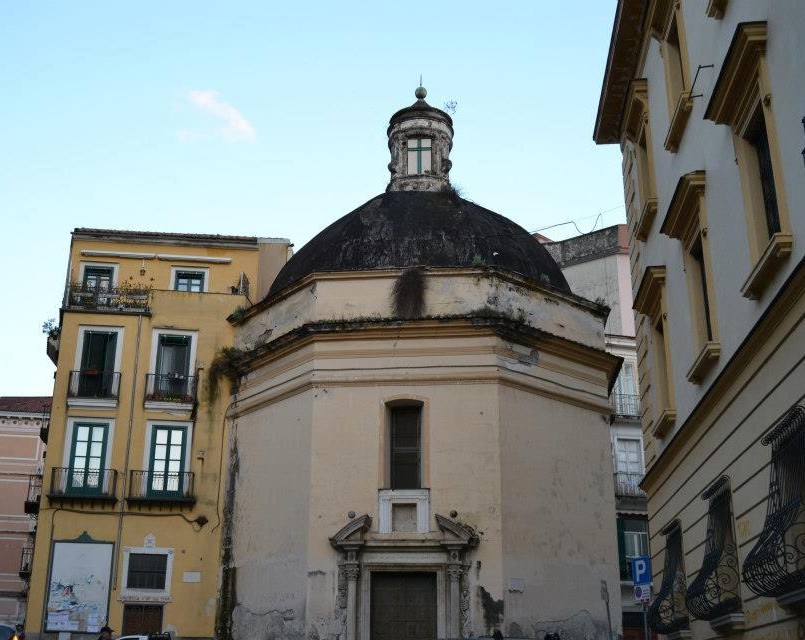
Church
La «chiesa dei Morticelli» in largo Plebiscito a Salerno, una delle quattro chiese rinascimentali della città.
Itineraries, events and flavours: an email now and then, no pushy advertising.