Archaeological site
Amphitheatre of Capua
L'anfiteatro dell'antica Capua, tra i più grandi del mondo romano, con il Museo dei Gladiatori.
Archaeological site · Santa Maria Capua Vetere (CE)

Ancient Capua, one of the largest cities of Roman Italy, today Santa Maria Capua Vetere.
Ancient Capua was for centuries one of the richest cities in Italy, at the heart of fertile Campania felix. During the Second Punic War it hosted Hannibal, and in 73 BC it was the starting point of the revolt of Spartacus, who had escaped from a gladiator school.Today the ancient city is visited in Santa Maria Capua Vetere: the Campanian Amphitheatre, the Mithraeum, the Arch of Hadrian and the archaeological museum tell of its greatness.
We are asking the authority for permission to publish photos of this place. Why there is an illustration
Archaeological site
L'anfiteatro dell'antica Capua, tra i più grandi del mondo romano, con il Museo dei Gladiatori.
Archaeological site
L'arco romano detto anche Arco Felice, tra Santa Maria Capua Vetere e Capua, probabilmente dedicato all'imperatore Adriano.
Church
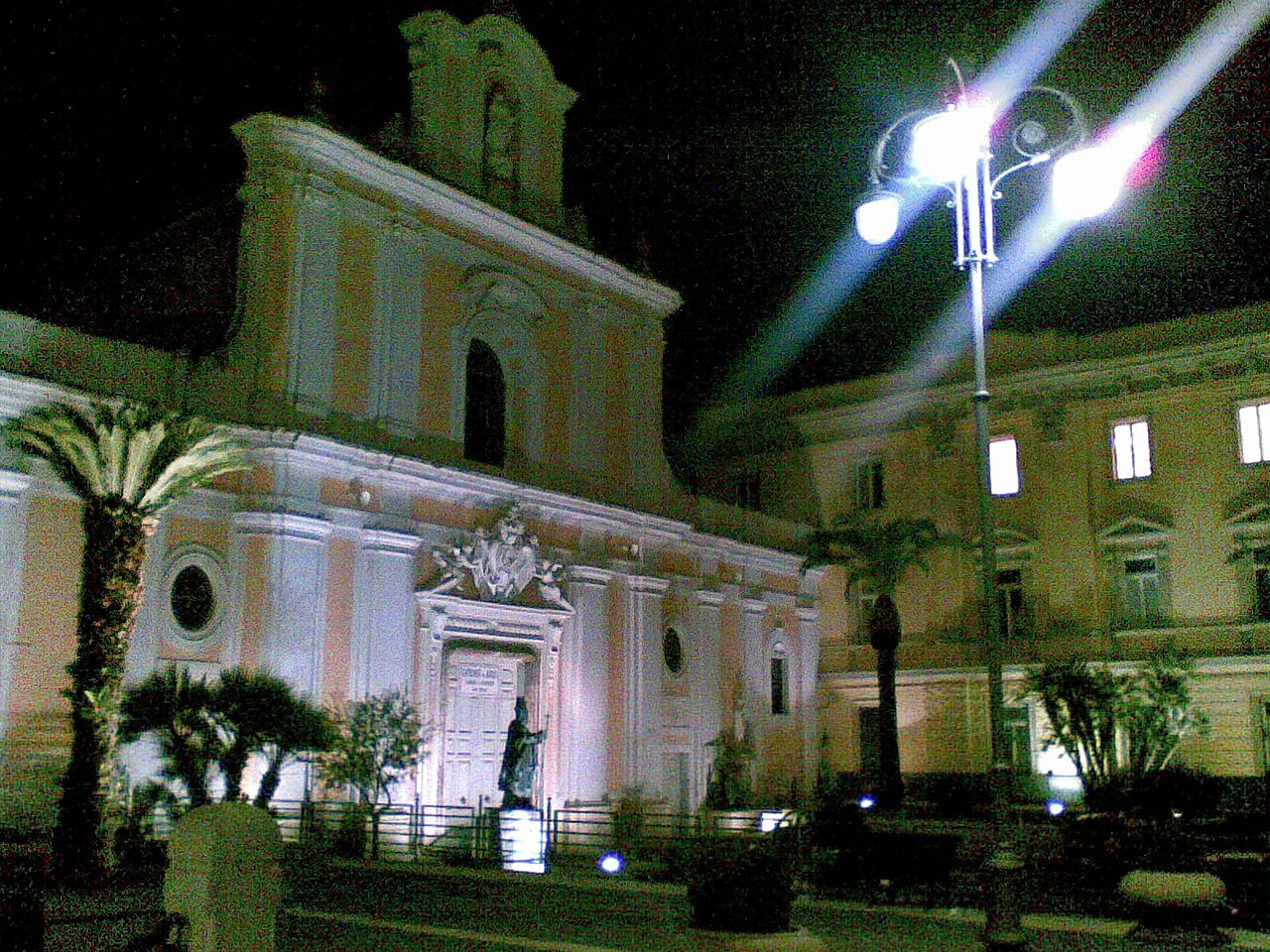
La basilica di Santa Maria Maggiore a Santa Maria Capua Vetere, fondata nel 432 da san Simmaco, unisce marmi antichi e decori barocchi.
Archaeological site
Edificio romano a pianta centrale con tamburo ottagonale e cupola, oggi interpretato come ambiente di un grande complesso termale.
Church
Archaeological site
Il più grandioso criptoportico della Campania: tre lunghi bracci voltati sotto l'ex carcere, con ottanta finestre e trenta nicchie.
Archaeological site
Casa romana nata in età augustea e rinnovata fino alla tarda antichità, con ambienti termali, mosaici e pavimenti in opus sectile.
Itineraries, events and flavours: an email now and then, no pushy advertising.