Some museums you visit for the works of art, others for the memories. The small museum devoted to the "giocattolo povero", the simple homemade toy, in the municipality of Montano Antilia, belongs to the second kind: we went looking for information about this place because it tells of a Cilento that never appears on postcards, the Cilento of children who built their own toys.
Where it is
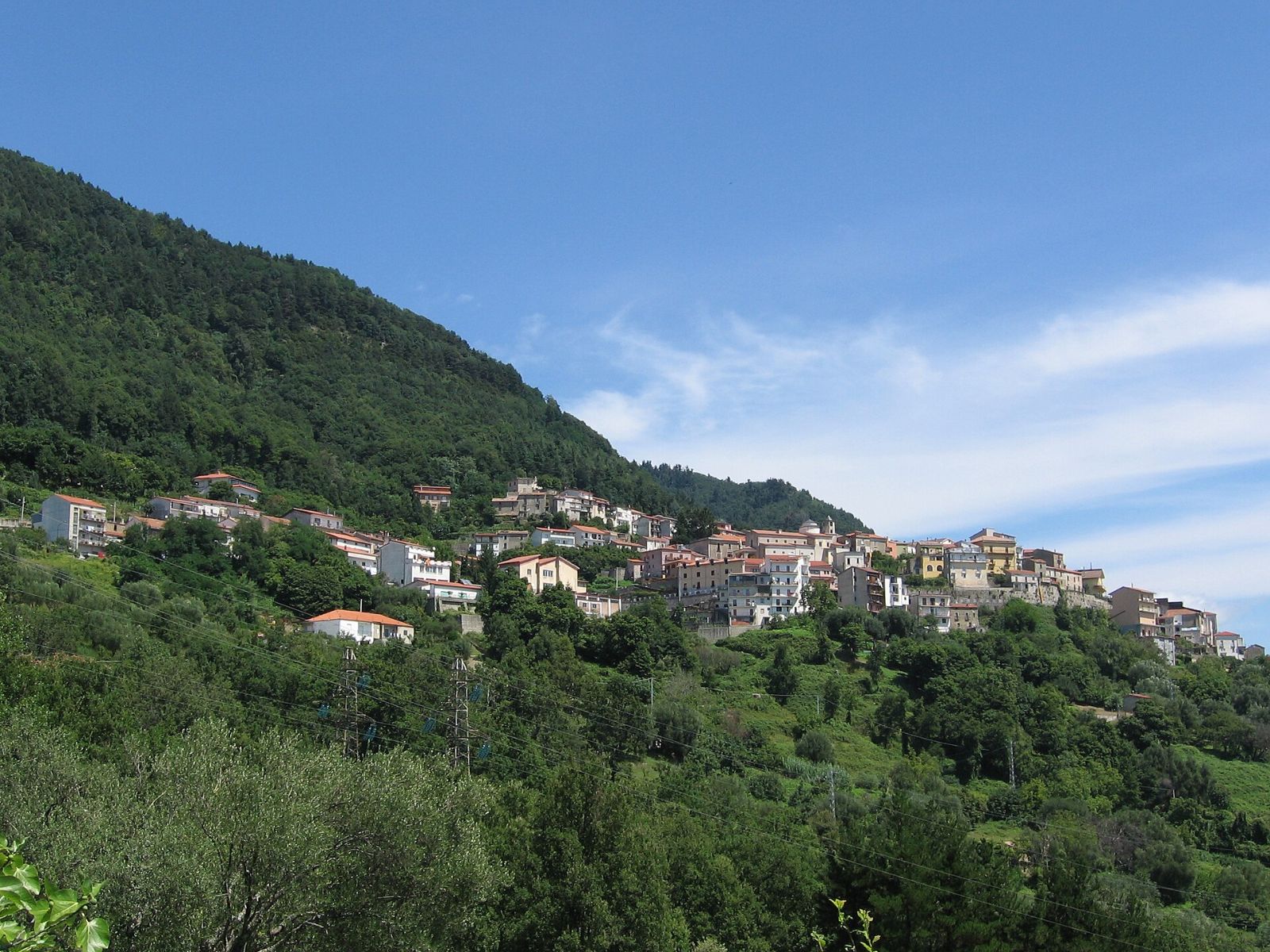
The Museo del Giocattolo Povero (Museum of Simple Toys) is in Massicelle, one of the two hamlets of Montano Antilia, together with Abatemarco. Massicelle is a small village at about 390 metres above sea level in the southern Cilento, within the Cilento, Vallo di Diano and Alburni National Park. The village is spread over several clusters of houses and its patron saint is Sant'Irene, to whom the main church of Santa Maria Lauretana, dating back to 1478, is dedicated.
One important thing to tell you straight away: the information available about this museum is scarce and not always up to date. The descriptions we found give 1999 as the year it was founded, but we could not find an official website with opening times and access details. That is why we recommend contacting the Municipality of Montano Antilia or the Pro Loco beforehand to check that the museum is open to visitors.
What is meant by a "simple toy"
The "giocattolo povero" is a toy made from whatever was at hand at home or in the fields: a piece of wood, a scrap of fabric, some string, a cane, a cork. Before factory-made toys, children in the inland villages, often with help from the adults, made their own spinning tops, rag dolls, carts and slingshots. They were simple objects, but they called for skill and imagination.
According to the available descriptions, this is exactly what the museum displays: original objects used as toys and reconstructions of games from the past, made with humble materials such as wood and string. The underlying idea, which we really like, is to celebrate the creativity and imagination of the children of the past rather than the material value of the objects.
A museum born with the schools
One aspect that struck us is its link with the world of education. The museum was created in collaboration with local schools and has a strong educational purpose: rather than a collection to look at behind glass, it is meant as a place where young people can discover, and perhaps try out, their grandparents' games.
Connected to this experience is an international festival dedicated to traditional games and toys, held in Massicelle, in which primary and secondary school pupils compete at old-time games, from spinning tops to street games. It is a recurring event: if you are interested, ask the Municipality when it takes place.
Why it is worth stopping by
Don't expect a large museum: it is a small venture closely tied to the local community. Precisely for this reason, in our view, it is an interesting stop for those travelling with children or for anyone who wants to discover the more intimate side of the Cilento villages. Standing in front of such simple objects, it comes naturally to tell the little ones how people used to play, and maybe to try making a spinning top together once you get home.
A visit to Massicelle can be combined with a tour of the main village, Montano Antilia, which lies at the foot of Monte Antilia. The town has a place in the history of the Risorgimento: the Cilento uprisings of 1828, linked to the secret society of the Filadelfi, started here. In the old town you will find the church of the SS. Annunziata, with 18th-century frescoes, and several chapels.
Getting there and when to go
Massicelle can be reached by car along the SP430, which connects the area to the main towns of the province. The nearest railway station is Centola, about 11 kilometres away, from where it is best to continue by car. The best time to visit the area is from spring to autumn, when you can combine the inland villages with the sea. Before you leave, contact the Municipality to find out whether and when the museum is open: check opening times and visiting arrangements before setting off.
In the surroundings
To plan your trip to the area, start from our guide The Cilento: what to do and see. If you are travelling with children and looking for more ideas, take a look at Having fun with kids in Salerno. The sea is close by: just a few kilometres away is Palinuro and the Natural Arch, and further south the Bay of Infreschi. To delve even deeper into the culture of this land, we recommend Cilento traditions and Travelling trades in the Cilento.
Top photo (Montano Antilia): Original on it.wp: Sto4obar / uploader on commons : Локомотив, CC BY-SA 3.0, via Wikimedia Commons.