Ischia is the island of hot water. Its springs, born of volcanic activity, feed thermal parks, hotel pools and treatment centres. First-time visitors often wonder where to start: here we explain the differences and share some practical tips.
Thermal park, thermal hotel or treatment centre?
- Thermal park: a large garden with several pools at different temperatures, often with sea access, saunas and circuits. You pay a day ticket. The best choice for a day of relaxation.
- Thermal hotel: the hotel has pools with thermal water and often an area for mud treatments. Convenient for stays of a week or more.
- Treatment centre: offers specific treatments (mud, baths, inhalations), some covered by the Italian health service on medical prescription.
A volcanic island full of springs
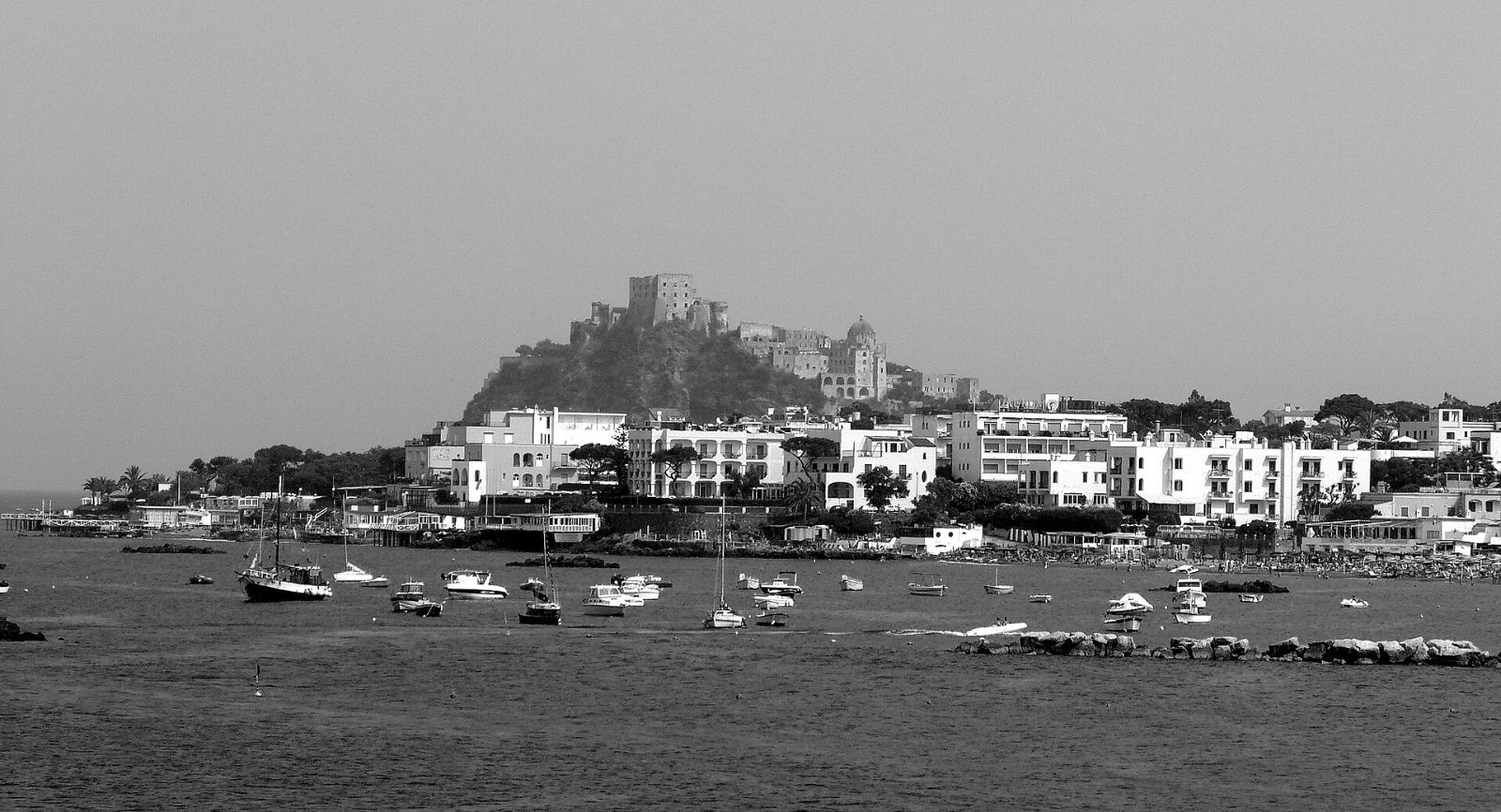
Ischia is volcanic, dominated by Mount Epomeo. The heat left underground warms the groundwater and feeds over a hundred thermal-mineral springs across all six municipalities: Ischia, Casamicciola Terme, Lacco Ameno and Forio, Serrara Fontana and Barano d'Ischia. Next to the springs are fumaroles, where steam rises straight from the ground. The waters differ greatly in temperature and composition, and this variety is what made the island famous.
From the Greeks to Iasolino: a long history
Ischia's waters were revered in antiquity: in 1759, near the Nitrodi spring at Barano, farmers found votive reliefs dedicated to Apollo and the Nymphs, left by people giving thanks for a cure. In 1588 the physician Giulio Iasolino published a famous study describing the island's springs and their properties. In 1604, in Casamicciola, the Pio Monte della Misericordia opened a hospice so that even the poor could be treated with the waters, one of the first examples of "social" spa care. Casamicciola remained the thermal heart of the island until the 1883 earthquake; since then spa culture has spread across the whole island, and in the twentieth century came the thermal hotels and the great gardens with pools.
Free springs: Sorgeto and the Maronti
If you prefer nature to facilities, Ischia has you covered. At Panza, in Forio, a long flight of steps leads down to the bay of Sorgeto, where thermal water bubbles up among the rocks and mixes with the sea in small natural pools: hot water on one side, cool sea on the other. On the Maronti beach at Barano there are fumaroles: in places the sand is so hot that, by tradition, food was cooked in it.
When to go
The spa season generally runs from April to October; many parks close in winter. Spring and autumn are the best periods: mild weather, fewer crowds, lower prices.
Spa treatments
Ischia's waters are used for mud therapy, baths, inhalations and treatments. Talk to your doctor before starting a course: spa treatments are not suitable for everyone, for example with some heart conditions or during pregnancy.
Our tips
- Drink plenty of water and don't stay too long in the hottest pools.
- Alternate warm pools and swims in the sea: that's the beauty of Ischia.
- Arrive early at thermal parks in high season.
- Use the buses: they link the main towns and the parks.
For all the other spas in the region, read our guide to spas in Campania.